In our fast-paced, always-on world, the quest for “balance” often feels like chasing a mythical creature. We’re constantly juggling responsibilities, ambitions, and personal desires, frequently leaving us feeling stretched thin and overwhelmed. Yet, achieving a state of equilibrium isn’t just a lofty ideal; it’s a fundamental pillar for sustainable well-being, enhanced productivity, and a deeply fulfilling life. This post will delve into what true balance entails, explore its various dimensions, and provide actionable strategies to integrate more harmony into your daily existence, transforming overwhelm into a sense of calm control.
Understanding the Multifaceted Nature of Balance
Balance isn’t a static destination but a dynamic, ever-adjusting process. It’s about creating harmony across different domains of your life, recognizing that each impacts the others. A truly balanced life integrates various aspects, allowing you to thrive holistically rather than just survive.
Physical Balance: More Than Just Standing Tall
Your physical well-being forms the foundation of all other forms of balance. Neglecting it leads to diminished energy, focus, and resilience.
- Nutrition: Fuel your body with nutrient-rich foods. Think about balanced meals that provide sustained energy, rather than quick fixes that lead to crashes.
- Movement: Regular physical activity, whether it’s a brisk walk, yoga, or an intense gym session, is crucial. Aim for consistency over intensity initially.
- Practical Tip: Incorporate “movement snacks” – short bursts of activity like stretching or walking during work breaks.
- Sleep: Adequate, restorative sleep is non-negotiable for cognitive function, emotional regulation, and physical recovery. Most adults need 7-9 hours per night.
- Ergonomics: Ensure your workspace supports good posture to prevent strain and improve focus.
Actionable Takeaway: Prioritize one small physical habit this week, like ensuring you drink enough water or taking a 15-minute walk daily.
Mental & Emotional Equilibrium
A balanced mind allows for clarity, focus, and peace. Emotional balance equips you to navigate life’s inevitable ups and downs without being derailed.
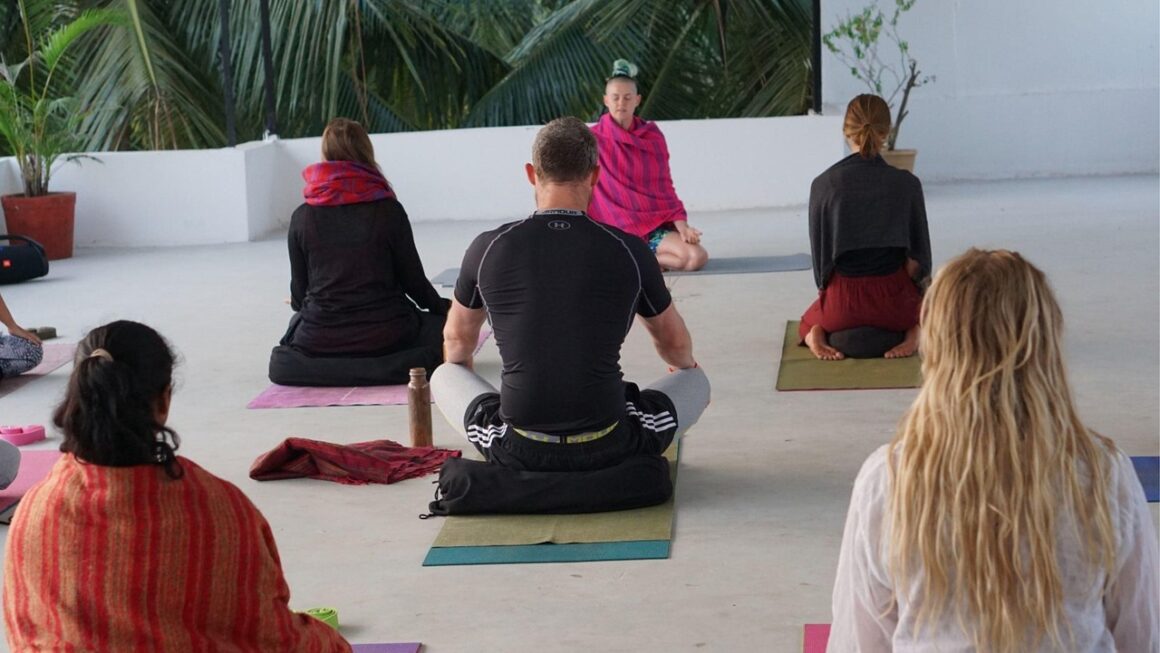
- Mindfulness & Meditation: Practices that train your attention and awareness can significantly reduce stress and enhance emotional regulation.
- Stress Management: Identify your stressors and develop healthy coping mechanisms. This could include deep breathing, journaling, or spending time in nature.
- Emotional Intelligence: Understanding and managing your own emotions, and recognizing the emotions of others, fosters healthier relationships and better decision-making.
- Cognitive Restructuring: Challenge negative thought patterns and reframe situations to cultivate a more positive outlook.
Actionable Takeaway: Dedicate 5-10 minutes each day to a mindful activity, such as listening to a guided meditation or simply observing your breath.
Social & Spiritual Harmony
Humans are social beings, and a sense of connection and purpose is vital for overall well-being. Spiritual balance doesn’t necessarily mean religious; it refers to finding meaning and connection to something larger than oneself.
- Meaningful Relationships: Nurture connections with family, friends, and community. Quality over quantity is key.
- Community Engagement: Volunteering or participating in community activities can provide a sense of belonging and purpose.
- Personal Values: Aligning your actions with your core values brings a profound sense of authenticity and fulfillment.
- Finding Purpose: Whether through work, hobbies, or contributions to society, having a sense of purpose energizes and directs your life.
Actionable Takeaway: Reach out to one meaningful person you haven’t connected with recently, or spend 30 minutes reflecting on your core values.
The Elusive Work-Life Balance: Redefining Productivity
Perhaps the most discussed aspect of balance, work-life equilibrium often feels like an impossible dream. However, it’s less about neatly dividing time and more about seamless integration and conscious prioritization.
Beyond the 9-to-5: Integrating Life and Work
The traditional 9-to-5 workday is evolving, especially with remote and hybrid work models. This offers flexibility but also blurs boundaries, making intentional integration crucial.
- Flexibility vs. Boundaries: Embrace the flexibility your work offers, but be vigilant about setting clear boundaries. For example, if you start early, end early.
- Designated Workspaces: If working remotely, create a specific workspace to mentally separate “work” from “home life.”
- Transition Rituals: Develop habits to signal the start and end of your workday, such as a short walk before starting or changing clothes after finishing.
Actionable Takeaway: Establish a clear “end of workday” ritual. This could be a 15-minute walk, putting away your laptop, or doing something completely unrelated to work.
Setting Boundaries and Prioritizing Effectively
Effective work-life balance hinges on your ability to say “no” and focus on what truly matters.
- Learn to Say No: Politely decline tasks or commitments that don’t align with your priorities or capacity. Remember, saying “no” to one thing is saying “yes” to another.
- Time Blocking: Schedule specific blocks of time for focused work, meetings, and personal activities like exercise or family time. Treat these blocks as non-negotiable appointments.
- Digital Detoxes: Schedule regular periods away from screens and work-related notifications to fully disengage and recharge.
- Prioritization Frameworks: Utilize tools like the Eisenhower Matrix (Urgent/Important) to determine what truly needs your immediate attention and what can wait or be delegated.
Actionable Takeaway: Identify one low-priority task you can either delegate or remove from your to-do list this week.
The Myth of Perfect Balance: It’s a Dynamic State
Balance is not a static state where everything is perfectly equal all the time. It’s a dynamic calibration, like a tightrope walker constantly adjusting to maintain stability.
- Fluidity and Fluctuation: Recognize that balance will shift. During peak work projects, work might dominate. During personal milestones, personal life takes precedence. The goal is to return to equilibrium.
- Seasonal Adjustments: Just as seasons change, so do our life demands. Be prepared to adjust your approach to balance throughout the year.
- Regular Re-evaluation: Periodically assess where you are out of balance and make conscious choices to realign.
Actionable Takeaway: Conduct a weekly “balance check-in” with yourself. Ask: “Which area of my life needs more attention right now?”
Practical Strategies for Cultivating Balance
Intentional effort is required to build a balanced life. Here are key strategies you can implement today.
The Power of Self-Care: Non-Negotiable Necessities
Self-care isn’t selfish; it’s essential. It’s about maintaining your physical, mental, and emotional health so you can function optimally.
- Identify Your Self-Care Practices: What truly recharges you? It could be reading, gardening, listening to music, spending time in nature, or a relaxing bath.
- Schedule It: Treat self-care activities as important appointments in your calendar that cannot be easily moved or canceled.
- Vary Your Approach: Include different types of self-care – physical (exercise, sleep), mental (meditation, learning), emotional (journaling, therapy), and social (connecting with loved ones).
Actionable Takeaway: Schedule at least one specific self-care activity into your calendar for the coming week, and commit to it.
Mastering Time Management and Energy Allocation
It’s not just about managing time; it’s about managing your energy levels and allocating them wisely to tasks and activities.
- Energy Audit: Pay attention to when you feel most energized and when you experience dips. Schedule your most demanding tasks during your peak energy hours.
- The Pomodoro Technique: Work in focused 25-minute intervals, followed by short breaks. This boosts concentration and prevents burnout.
- Batch Similar Tasks: Group similar activities (e.g., answering emails, making calls, creative work) to reduce context-switching and improve efficiency.
- Delegation: If possible, delegate tasks that can be done by others, freeing up your time for higher-value activities or personal pursuits.
Actionable Takeaway: For one day this week, try scheduling your most important work during your personal peak energy hours.
Embracing Mindfulness and Presence
In an age of constant distraction, being present in the moment is a powerful antidote to feeling overwhelmed and scattered.
- Single-Tasking: Challenge the myth of multitasking. Focus on one task at a time to improve quality and reduce stress.
- Mindful Eating: Pay attention to the flavors, textures, and sensations of your food without distraction. This enhances enjoyment and can aid digestion.
- Digital Mindfulness: Be conscious of your digital consumption. Set limits for screen time and avoid mindlessly scrolling.
- “Pause” Moments: Throughout your day, take short intentional pauses to simply observe your surroundings, your breath, or how you are feeling without judgment.
Actionable Takeaway: Choose one routine activity (e.g., drinking coffee, walking, washing dishes) and commit to doing it mindfully for the next few days.
Overcoming Obstacles to a Balanced Life
The path to balance is rarely smooth. Understanding common obstacles and developing strategies to overcome them is key.
Battling Burnout and Chronic Stress
Burnout is a state of physical, emotional, and mental exhaustion caused by prolonged or excessive stress. It’s a major sign that balance is severely lacking.
- Recognize the Signs: Chronic fatigue, cynicism, reduced performance, irritability, and difficulty concentrating are all red flags.
- Implement Stress Reduction Techniques: Regular exercise, sufficient sleep, meditation, deep breathing, and spending time in nature are crucial.
- Seek Support: Don’t hesitate to talk to a trusted friend, family member, or professional therapist if stress or burnout feels overwhelming.
- Delegate and Automate: Look for opportunities to lighten your load by delegating tasks or automating routine processes.
Actionable Takeaway: If you suspect burnout, schedule a “mental health day” or a specific block of time for pure relaxation and detachment from responsibilities.
Managing Digital Overload and Constant Connectivity
Our smartphones and constant connectivity, while beneficial, can be a significant source of imbalance if not managed intentionally.
- Notification Management: Turn off non-essential notifications on your devices to reduce distractions and the urge to constantly check.
- Tech-Free Zones: Designate certain areas (e.g., bedroom, dining table) and times (e.g., an hour before bed) as completely tech-free.
- App Limits: Use built-in phone features or third-party apps to set time limits for social media or other distracting applications.
- Scheduled Check-ins: Instead of being constantly responsive, schedule specific times to check and respond to emails and messages.
Actionable Takeaway: Turn off all non-essential notifications on your phone for one full day this week, and observe the impact on your focus and peace of mind.
Shifting Mindsets: From Guilt to Empowerment
Societal pressures and internal beliefs can make us feel guilty for prioritizing our well-being or taking time off. Shifting this mindset is crucial.
- Challenge the “Busy” Culture: Recognize that being constantly busy is not a badge of honor; it’s often a sign of poor boundaries and lack of balance.
- Redefine Productivity: True productivity isn’t just about output; it’s about sustainable, high-quality output, which requires rest and rejuvenation.
- Practice Self-Compassion: Treat yourself with the same kindness and understanding you would offer a good friend. Forgive yourself for not being “perfect.”
- Embrace Your Agency: Understand that you have the power to make choices that support your well-being, even if they go against external expectations.
Actionable Takeaway: Replace one negative thought about taking a break or prioritizing self-care with a positive, empowering affirmation (e.g., “Rest makes me more effective”).
Conclusion
Achieving balance is an ongoing journey, not a fixed destination. It requires self-awareness, intentional choices, and a willingness to adapt. By understanding the multifaceted nature of balance – encompassing physical, mental, emotional, social, and spiritual well-being – and actively implementing practical strategies, you can move away from the brink of burnout towards a more harmonious and fulfilling life. Remember, true balance isn’t about doing everything equally; it’s about doing what matters most, effectively and sustainably. Start small, be consistent, and celebrate every step you take towards creating a life that feels genuinely in equilibrium. Your well-being and long-term success depend on it.