In a world brimming with conflicting dietary advice and fad diets, the core principles of healthy eating often get lost. Yet, the truth is beautifully simple: nourishing your body with the right foods is not just about weight loss; it’s about fueling every cell for optimal performance, boosting your mood, enhancing cognitive function, and significantly reducing the risk of chronic diseases. Embracing a balanced, whole-food-centric diet is arguably one of the most powerful investments you can make in your long-term health and well-being. This comprehensive guide will demystify healthy eating, providing actionable strategies and insights to transform your relationship with food and unlock a vibrant, energetic life.
The Foundation of Healthy Eating: Understanding Macronutrients
Macronutrients are the building blocks of our diet, providing the energy and materials our bodies need to function. They are carbohydrates, proteins, and fats. A balanced intake of all three is crucial for overall health.
Carbohydrates: Energy for Life
Often demonized, carbohydrates are your body’s primary source of energy. The key lies in choosing the right types.
- Complex Carbohydrates: These are found in whole grains, legumes, and vegetables. They are rich in fiber, which aids digestion, stabilizes blood sugar levels, and provides sustained energy.
- Examples: Oats, brown rice, quinoa, whole-wheat bread, lentils, beans, sweet potatoes.
- Simple Carbohydrates: Found in refined sugars and processed foods, these offer a quick burst of energy followed by a crash. Limit their intake.
- Examples: Sugary drinks, candies, pastries, white bread.
Actionable Takeaway: Aim for complex carbohydrates to make up 45-65% of your daily caloric intake, focusing on whole, unprocessed sources for sustained energy and fiber benefits.
Proteins: Building Blocks of the Body
Protein is essential for building and repairing tissues, making enzymes and hormones, and supporting immune function. It also contributes to satiety, helping you feel fuller for longer.
- Animal Sources:
- Examples: Lean meats (chicken breast, turkey), fish (salmon, cod), eggs, dairy products (Greek yogurt, cottage cheese).
- Plant Sources:
- Examples: Legumes (beans, lentils, chickpeas), tofu, tempeh, edamame, nuts, seeds, quinoa.
Actionable Takeaway: Include a source of lean protein with every meal. Adults generally need about 0.8 grams of protein per kilogram of body weight, but this can vary based on activity level.
Fats: Essential for Health (Good vs. Bad)
Fats are vital for hormone production, nutrient absorption, and protecting organs. Not all fats are created equal; focus on healthy fats and limit unhealthy ones.
- Healthy Fats (Unsaturated): These can improve cholesterol levels and reduce the risk of heart disease.
- Monounsaturated: Avocados, olive oil, nuts (almonds, cashews, pecans).
- Polyunsaturated: Fatty fish (salmon, mackerel, tuna), flaxseeds, chia seeds, walnuts, sunflower oil. Omega-3 fatty acids, found in fatty fish, are particularly beneficial for brain and heart health.
- Unhealthy Fats (Saturated & Trans):
- Saturated Fats: Found primarily in red meat, high-fat dairy, and some processed foods. Consume in moderation.
- Trans Fats: Often found in highly processed foods, baked goods, and fried items. These should be avoided entirely as they significantly increase the risk of heart disease.
Actionable Takeaway: Incorporate healthy fats into your diet daily, aiming for 20-35% of your total calories from fats, primarily from unsaturated sources. Choose healthy cooking oils like olive or avocado oil.
The Micronutrient Marvels: Vitamins, Minerals, and Phytochemicals
While macronutrients provide energy, micronutrients are the vital cofactors that enable countless bodily functions. These essential vitamins and minerals, along with beneficial phytochemicals, are primarily found in a diverse array of fruits, vegetables, and whole foods.
The Role of Vitamins and Minerals
Vitamins are organic compounds, and minerals are inorganic elements, both crucial for everything from bone health and immune function to energy production and nerve function.
- Key Vitamins: Vitamin A (vision), B complex (energy metabolism), C (immune health, skin), D (bone health, mood), E (antioxidant), K (blood clotting).
- Key Minerals: Calcium (bones, teeth), Iron (oxygen transport), Magnesium (muscle and nerve function), Potassium (blood pressure), Zinc (immune function).
Actionable Takeaway: Focus on obtaining your micronutrients from food first. A varied diet ensures you’re getting a broad spectrum of these essential elements.
Embracing a Rainbow of Fruits and Vegetables
The easiest way to ensure adequate micronutrient intake is to eat a wide variety of colorful fruits and vegetables. Each color often signifies a different profile of vitamins, minerals, and antioxidants.
- Red: Tomatoes, strawberries, bell peppers (Lycopene, Vitamin C).
- Orange/Yellow: Carrots, oranges, mangoes, sweet potatoes (Beta-carotene, Vitamin C).
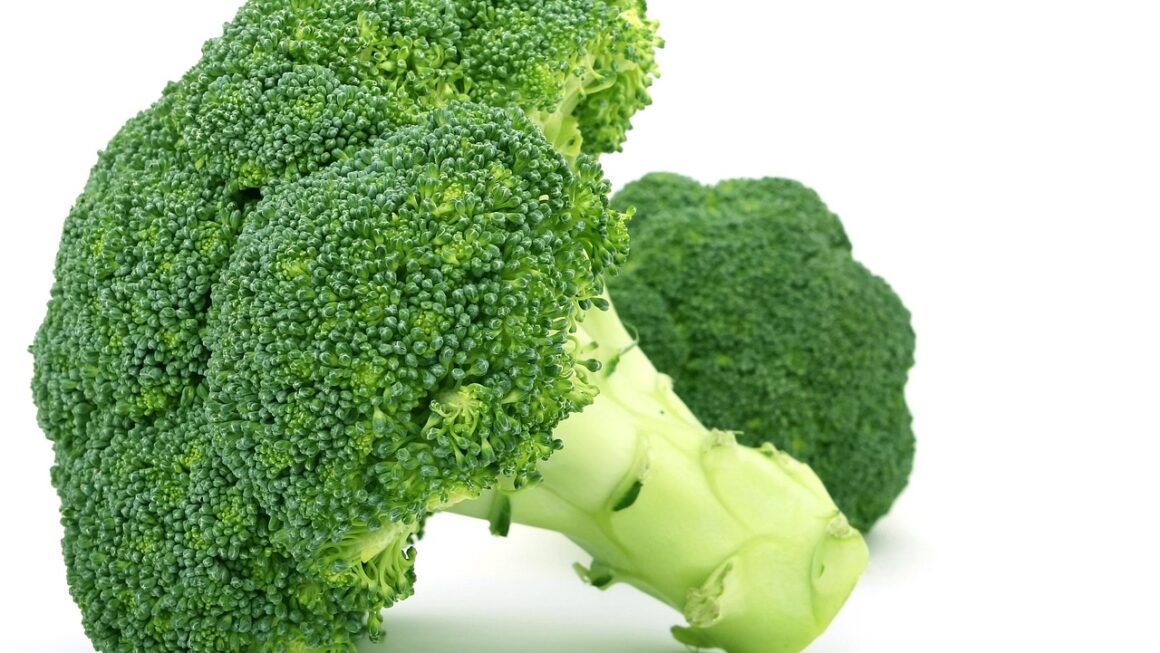
- Green: Spinach, kale, broccoli, avocado (Folate, Vitamin K, Lutein).
- Blue/Purple: Blueberries, grapes, eggplant (Anthocyanins).
- White/Brown: Onions, garlic, mushrooms, bananas (Allicin, Potassium).
Actionable Takeaway: Aim for at least 5-9 servings of fruits and vegetables daily. Try to include produce from at least three different color groups in your meals.
Beyond the Basics: Antioxidants and Phytochemicals
Beyond traditional vitamins and minerals, plants offer thousands of beneficial compounds called phytochemicals, many of which act as antioxidants. These compounds combat oxidative stress, which can lead to cellular damage and chronic diseases.
- Examples: Flavonoids (berries, tea), Resveratrol (grapes, red wine), Curcumin (turmeric), Sulforaphane (broccoli).
Actionable Takeaway: The more diverse your intake of plant-based foods, the more protective phytochemicals you’ll consume. Don’t rely solely on supplements; whole foods provide a synergistic effect.
Hydration and Mindful Eating: More Than Just Food
Healthy eating extends beyond what you eat to how much and how you consume it. Proper hydration and mindful eating practices are integral to overall well-being and effective nutrient absorption.
The Power of Water
Water constitutes about 60% of your body weight and is essential for virtually every bodily function, including nutrient transport, temperature regulation, joint lubrication, and waste elimination.
- Benefits of Adequate Hydration:
- Boosts energy levels and cognitive function.
- Aids digestion and prevents constipation.
- Supports kidney function.
- Helps regulate body temperature.
- Can help with weight management by promoting satiety.
Actionable Takeaway: Aim for at least 8 glasses (about 2 liters) of water daily, more if you’re active or in a hot climate. Keep a water bottle handy and sip throughout the day. Herbal teas and water-rich fruits/vegetables also contribute to hydration.
Practicing Mindful Eating
Mindful eating involves paying full attention to your food—its taste, texture, aroma—and your body’s hunger and fullness cues. It’s about being present during your meal, rather than distracted.
- Tips for Mindful Eating:
- Eat slowly and chew thoroughly.
- Turn off screens (TV, phone, computer) during meals.
- Savor each bite and notice the flavors.
- Pay attention to when you feel satisfied, not just full.
- Ask yourself if you’re truly hungry before eating.
Actionable Takeaway: Dedicate at least 20 minutes to each meal. This practice can help prevent overeating, improve digestion, and enhance your enjoyment of food.
Portion Control and Hunger Cues
Understanding appropriate portion sizes and listening to your body’s natural hunger and fullness signals are critical for managing weight and ensuring you get enough, but not too much, fuel.
- Visual Guides for Portions:
- Protein: A deck of cards or the palm of your hand.
- Grains/Starchy Veg: A cupped hand.
- Fats: A thumb-tip or a tablespoon.
- Non-starchy Vegetables: As much as you want! Fill half your plate.
- Recognizing Hunger & Fullness:
- Eat when you feel moderately hungry (not ravenous).
- Stop when you feel comfortably satisfied (not stuffed).
Actionable Takeaway: Use smaller plates, measure out servings occasionally to recalibrate your perception of portion sizes, and tune into your body’s signals rather than relying on external cues (like clearing your plate).
Navigating the Modern Food Landscape: Smart Choices
The modern grocery store can be overwhelming. Making smart, healthy choices requires understanding food labels, avoiding common pitfalls, and planning ahead.
Decoding Food Labels
Food labels are a treasure trove of information, but they can be confusing. Learning to read them effectively empowers you to make informed decisions.
- Key Things to Look For:
- Ingredients List: Ingredients are listed in descending order by weight. Prioritize foods with short ingredient lists, featuring whole, recognizable foods. Avoid products where sugar or unhealthy fats are among the first few ingredients.
- Serving Size: Pay attention to this! Nutritional values are based on one serving, and many packages contain multiple servings.
- Added Sugars: Look for “added sugars” specifically. The American Heart Association recommends no more than 25g/day for women and 36g/day for men.
- Sodium: High sodium intake can contribute to high blood pressure. Aim for less than 2,300mg per day.
- Fiber: Crucial for digestive health and satiety. Look for at least 3-5g of fiber per serving.
Actionable Takeaway: Spend a few extra minutes in the grocery store reading labels. The less a food is processed, the less you’ll need to scrutinize its label.
Avoiding Processed Foods and Added Sugars
Processed foods are often high in unhealthy fats, sodium, and added sugars, while being low in essential nutrients. Added sugars contribute to obesity, type 2 diabetes, and heart disease.
- The Impact of Processed Foods:
- Typically calorie-dense but nutrient-poor.
- Often contain artificial ingredients, preservatives, and unhealthy trans fats.
- Can be addictive due to high sugar, fat, and salt content.
- Sneaky Names for Sugar: Glucose, fructose, sucrose, maltose, corn syrup, high-fructose corn syrup, dextrose, cane juice, agave nectar, maple syrup, honey (while natural, still added sugar).
Actionable Takeaway: Prioritize whole, unprocessed foods. Cook from scratch more often to control ingredients. Slowly reduce your intake of sugary drinks, packaged snacks, and fast food.
Meal Planning and Preparation Strategies
Planning and prepping your meals in advance can save time, money, and help you stick to your healthy eating goals, especially during busy weekdays.
- Benefits of Meal Prep:
- Ensures you have healthy options readily available.
- Reduces the likelihood of resorting to unhealthy takeout or quick fixes.
- Helps with portion control and budget management.
- Minimizes food waste.
- Simple Prep Ideas:
- Cook a large batch of grains (quinoa, brown rice) and roasted vegetables for the week.
- Wash and chop fresh produce for easy snacking or salad additions.
- Marinate and pre-portion proteins for quick cooking.
- Prepare overnight oats or chia pudding for healthy breakfasts.
Actionable Takeaway: Dedicate an hour or two each week to plan your meals and do some basic prep. Even small steps, like chopping veggies in advance, can make a big difference.
Sustainable Healthy Habits and Common Pitfalls
Healthy eating isn’t about perfection; it’s about consistency, sustainability, and learning to navigate life’s challenges without derailing your progress.
Consistency Over Perfection
The biggest pitfall in healthy eating is striving for perfection. One “unhealthy” meal or snack won’t ruin your progress, just as one healthy meal won’t instantly transform your health. Focus on making good choices most of the time.
- Embrace the 80/20 Rule: Aim for healthy eating 80% of the time, allowing for flexibility and occasional treats 20% of the time. This approach is more sustainable and prevents feelings of deprivation.
- Don’t Let One Slip-Up Derail You: If you overeat or make a poor food choice, acknowledge it, learn from it, and get back on track with your next meal. Don’t let guilt lead to a full-blown binge.
Actionable Takeaway: Prioritize consistency and progress over rigid perfection. Be kind to yourself and view healthy eating as a continuous journey, not a destination.
Addressing Emotional Eating
Food is often intertwined with emotions. Eating to cope with stress, boredom, sadness, or happiness can undermine healthy eating goals. Recognizing these patterns is the first step.
- Identify Triggers: Keep a journal to note when, what, and how much you eat, along with your mood. This can reveal patterns of emotional eating.
- Develop Coping Mechanisms: Instead of food, try other activities to manage emotions:
- Take a walk or exercise.
- Call a friend.
- Meditate or practice deep breathing.
- Read a book or listen to music.
- Engage in a hobby.
Actionable Takeaway: Before reaching for food, pause and ask yourself if you’re truly hungry or if an emotion is driving the urge. Find non-food ways to address your emotional needs.
Seeking Professional Guidance
While this guide provides comprehensive information, sometimes personalized advice is necessary. A registered dietitian or nutritionist can offer tailored plans and support.
- When to Seek Help:
- If you have specific health conditions (diabetes, heart disease, food allergies).
- If you’re struggling with disordered eating patterns.
- If you need personalized meal plans for specific goals (athletic performance, weight management).
- If you feel overwhelmed by conflicting information and need expert guidance.
Actionable Takeaway: Don’t hesitate to consult a qualified health professional for personalized dietary advice and support. They can help you navigate complex needs and create a sustainable plan.
Conclusion
Embracing healthy eating is a profound act of self-care, a journey that profoundly impacts every facet of your life. It’s not about restrictive diets or fleeting trends, but about fostering a sustainable relationship with wholesome, nourishing foods. By understanding the roles of macronutrients and micronutrients, prioritizing hydration, practicing mindful eating, and making informed choices in the modern food environment, you empower yourself to build lasting habits. Remember, every small, consistent choice you make contributes to a healthier, more vibrant you. Start today, and savor the incredible benefits that truly healthy eating brings to your mind, body, and spirit.