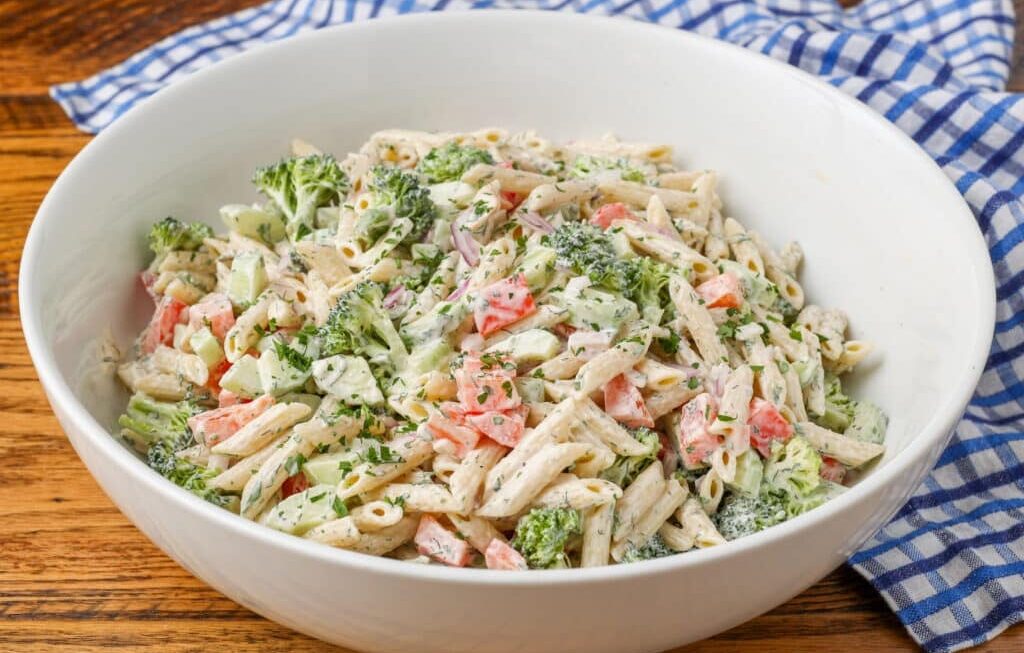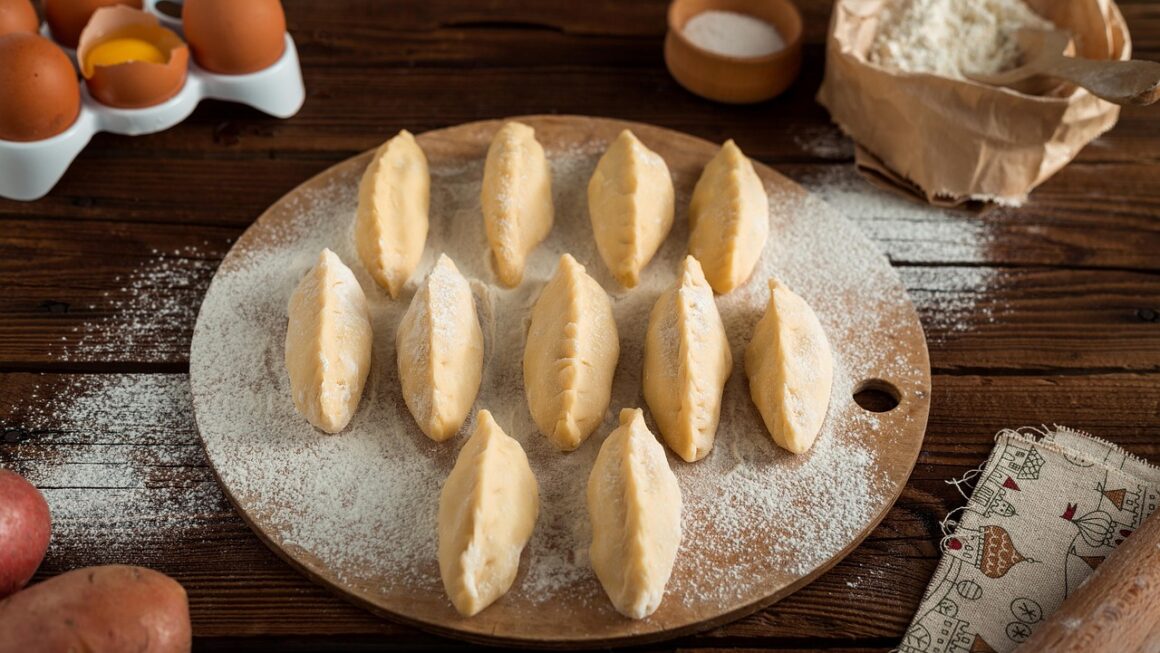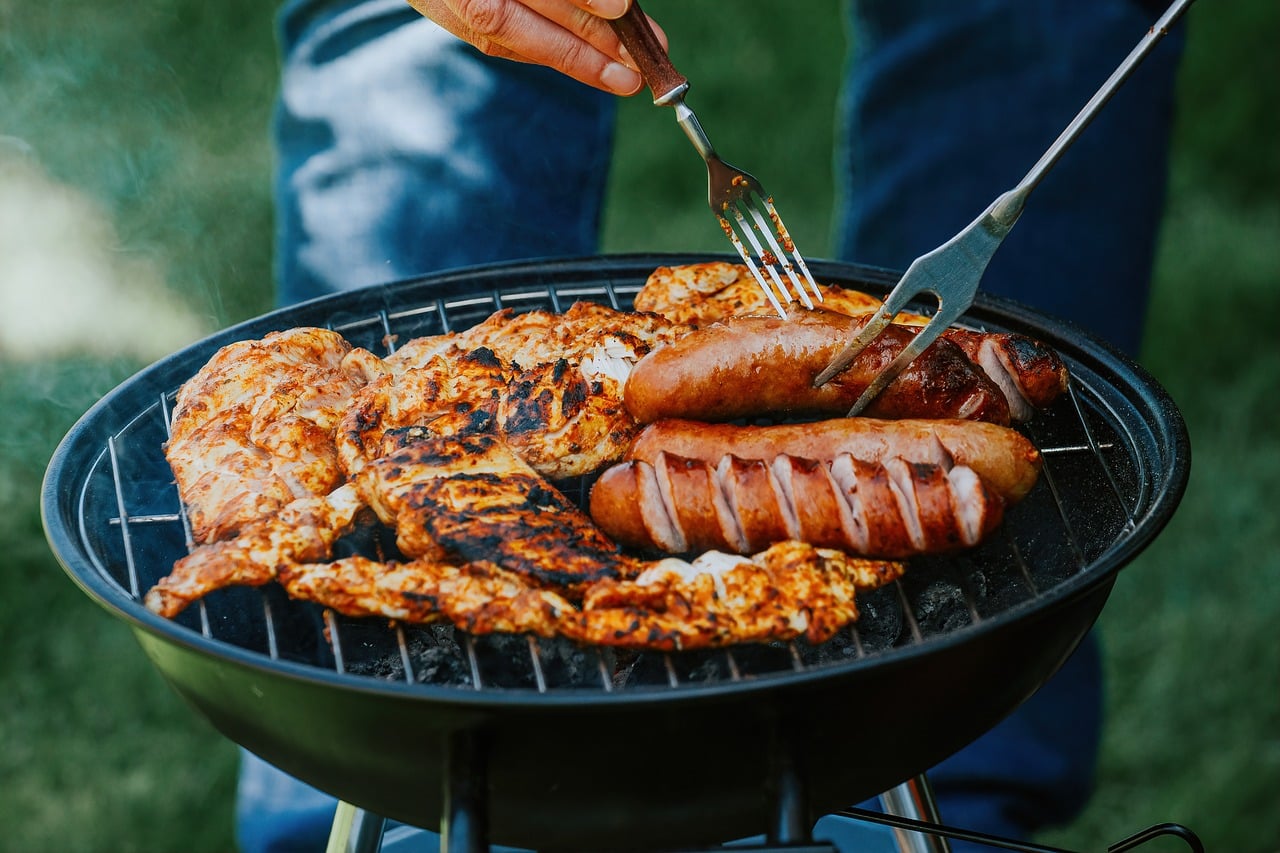
The aroma of a freshly baked cake, the sizzle of a perfectly seared steak, or the vibrant colors of a summer salad – if these experiences ignite your passion, you might be sitting on the ingredients for a successful food blog. Food blogging is more than just sharing recipes; it’s about creating a captivating culinary journey for your readers, connecting through shared tastes, and building a community around the universal love of food. It’s a creative outlet, a powerful storytelling platform, and for many, a fulfilling career path that blends art with entrepreneurship. Ready to turn your kitchen adventures into a digital feast? Let’s dive into the world of food blogging.
The Foundation: Building Your Food Blog’s Core
Every successful food blog starts with a solid foundation. This involves defining your unique identity and setting up the technical infrastructure that will support your culinary content.
Niche Selection and Branding
In a crowded digital landscape, a clear niche is your secret sauce. It helps you stand out, attract a dedicated audience, and become an authority in your chosen area.
- Identify Your Passion: What specific type of food or cooking are you most passionate about? Examples include:
- Dietary Specific: Gluten-free, vegan, keto, low-carb.
- Cuisine Specific: Authentic Italian, regional Indian, modern fusion.
- Cooking Style: Instant Pot recipes, slow cooker meals, gourmet baking, quick weeknight dinners.
- Audience Specific: Family-friendly meals, budget cooking, healthy college student recipes.
- Research Your Audience: Who are you trying to reach? Understanding their needs, challenges, and desires will help you tailor your content.
- Develop Your Brand Voice: Are you witty, authoritative, comforting, or adventurous? Your voice should be consistent across all your content.
- Choose a Memorable Name: Your blog name should be catchy, relevant to your niche, and easy to remember. Check for domain availability early on.
- Visual Identity: Design a logo and choose a color palette that reflects your brand’s personality and appeals to your target audience. Consistency is key across your website and social media.
Practical Example: Instead of “My Recipes,” consider “The Artisan Sourdough Baker” if your passion is bread, or “Quick & Healthy Kids Meals” if you focus on busy parents.
Actionable Takeaway: Spend time brainstorming your niche and brand identity. This clarity will guide all your future content and marketing efforts, ensuring you build a unique and recognizable presence in the food blogging world.
Platform and Technical Setup
Choosing the right platform and handling the technical aspects correctly from the start can save you headaches down the line.
- Website Platform:
- WordPress.org (Self-hosted): Most popular choice for food bloggers due to its flexibility, vast plugin ecosystem, and scalability. It requires a hosting provider.
- Squarespace/Wix: Excellent for beginners who prioritize ease of use and beautiful design templates, but offer less customization than WordPress.
- Blogger: Free and simple, but very limited in functionality and professional appearance.
- Domain Name and Hosting:
- Purchase your unique domain name (e.g., yourfoodblog.com) from a reputable registrar.
- Choose a reliable web hosting provider (e.g., SiteGround, Bluehost, WP Engine) that offers good uptime, speed, and customer support.
- Essential Plugins (for WordPress):
- Recipe Card Plugin (e.g., WP Recipe Maker, Tasty Recipes): Crucial for displaying recipes in a structured, SEO-friendly format that Google loves.
- SEO Plugin (e.g., Yoast SEO, Rank Math): Helps optimize your content for search engines.
- Security Plugin (e.g., Wordfence): Protects your site from malicious attacks.
- Performance/Caching Plugin (e.g., WP Rocket, W3 Total Cache): Improves website speed.
- Backup Plugin (e.g., UpdraftPlus): Ensures your content is safe.
Practical Example: Setting up a self-hosted WordPress site means you own all your content and have the freedom to grow without platform limitations, vital for long-term success and monetization.
Actionable Takeaway: Invest in a reliable platform and hosting, and install essential plugins from day one. This provides a stable and optimized environment for your content to thrive.
Crafting Irresistible Content: Recipes, Photography & Storytelling
At the heart of every successful food blog is exceptional content. It’s the magnet that attracts readers and keeps them coming back for more. This goes beyond just ingredients and instructions.
Developing Engaging Recipes
Your recipes are your core product. They need to be clear, trustworthy, and enticing.
- Accuracy and Precision:
- Clear Ingredient Lists: Use standard measurements (cups, spoons, grams) and specify states (e.g., “chopped onions,” “melted butter”).
- Step-by-Step Instructions: Break down complex processes into simple, numbered steps. Assume your reader is a novice.
- Prep and Cook Times: Include realistic estimates for both.
- Yield Information: State how many servings the recipe makes.
- Recipe Testing: Always test your recipes multiple times to ensure they work perfectly and taste delicious before publishing.
- Tips and Variations: Add sections for helpful tips (e.g., “how to prevent sticking,” “substitute for dairy”) and ideas for variations (e.g., “add different herbs,” “make it spicy”).
- Personal Touch: Briefly share what inspired the recipe or a personal anecdote related to it.
Practical Example: For a “Homemade Pizza Dough” recipe, specify “1 teaspoon active dry yeast,” “1 cup warm water (105-115°F),” and detailed steps for kneading, rising, and baking, along with tips for a crispy crust.
Actionable Takeaway: Treat each recipe as a valuable resource. Meticulously test, clearly write, and thoughtfully enhance every recipe to build trust and deliver a consistent, high-quality experience for your readers.
Mastering Food Photography
Humans eat with their eyes first. High-quality food photography is non-negotiable for a food blog. It transforms your recipes from text to tantalizing visuals.
- Lighting is Key:
- Natural Light: Always prefer natural, diffused light (e.g., near a window, but out of direct sun). Avoid harsh shadows.
- Artificial Light: If natural light is unavailable, invest in a softbox or LED panel with a diffuser.
- Composition and Styling:
- Angles: Experiment with overhead (flat lay), 45-degree, and straight-on shots.
- Rule of Thirds: Place your main subject off-center for more dynamic photos.
- Props: Use simple, relevant props (cutlery, linens, ingredients, hands) that enhance the food without distracting from it.
- Backgrounds: Choose neutral, textured backgrounds (wood, stone, linen) that complement your dish.
- Garnishes: Fresh herbs, a sprinkle of salt, or a drizzle of sauce can make a huge difference.
- Editing: Use photo editing software (Lightroom, Snapseed, Canva) to adjust brightness, contrast, white balance, and crop. Don’t over-edit; aim for natural enhancement.
Relevant Statistic: Studies show that visually appealing content is 40x more likely to be shared on social media, emphasizing the power of good food photography.
Actionable Takeaway: Practice regularly, invest in decent lighting, and learn basic photo editing. Your food photography is your blog’s visual storefront – make it inviting and drool-worthy.
The Art of Food Storytelling
Beyond the recipe, the narrative is what connects you with your audience on an emotional level. It’s what makes your blog unique.
- Personal Anecdotes: Share memories associated with a dish, how you discovered a recipe, or a funny kitchen mishap.
- Cultural Context: Explain the origins of a dish, its cultural significance, or how it’s traditionally served.
- Ingredient Spotlight: Discuss a unique ingredient, where to find it, or its health benefits.
- Engaging Introduction: Start your posts with a captivating hook that draws readers in before they even get to the ingredients.
- Call to Action: Encourage readers to share their own experiences or tips in the comments.
Practical Example: For a simple lentil soup, you could start with “This hearty lentil soup reminds me of chilly evenings spent at my grandmother’s house, a recipe passed down through generations that warms both body and soul.”
Actionable Takeaway: Weave personal stories and context into your posts. This humanizes your content, builds a deeper connection with your audience, and turns a simple recipe into a memorable experience.
Reaching Your Audience: SEO & Promotion
Creating amazing content is only half the battle. To grow your food blog, you need to ensure your content is discoverable and reaches the right people.
Search Engine Optimization (SEO) for Food Blogs
SEO is crucial for driving organic traffic to your recipes. When someone searches for “best chocolate chip cookie recipe,” you want your blog to appear near the top.
- Keyword Research:
- Use tools like Google Keyword Planner, Ubersuggest, or Ahrefs to find relevant keywords with good search volume and manageable competition.
- Focus on long-tail keywords (e.g., “easy vegan breakfast smoothie for weight loss” instead of just “smoothie recipe”).
- On-Page SEO:
- Recipe Titles: Include your primary keyword naturally.
- Meta Descriptions: Write compelling snippets that entice users to click.
- Image Alt Text: Describe your photos using keywords for accessibility and search engines.
- Headings (H2, H3): Structure your content logically and include keywords where appropriate.
- Internal Linking: Link to other relevant recipes or posts on your blog.
- Recipe Schema Markup (JSON-LD): This is perhaps the most important SEO factor for food blogs. Your recipe card plugin should handle this, but ensure it’s properly implemented. It tells search engines exactly what your recipe is, enabling rich snippets (stars, cook time, ingredients) in search results, which significantly boosts click-through rates.
- Page Speed: Optimize images and use caching plugins to ensure your site loads quickly. Google favors fast-loading sites.
Practical Example: For a “Chicken Tikka Masala” recipe, target keywords like “authentic chicken tikka masala,” “easy chicken tikka masala recipe,” and “how to make chicken tikka masala at home.” Include these naturally in your title, introduction, and headings.
Actionable Takeaway: Make SEO an integral part of your content creation process. Research keywords for every recipe, optimize all on-page elements, and ensure your recipe schema is correctly implemented. This will ensure your delicious content is found by those searching for it.
Social Media Marketing
Social platforms are fantastic for showcasing your visual content, engaging with your audience, and driving traffic.
- Pinterest: A visual search engine that can be a massive traffic driver for food blogs. Create multiple beautiful pins for each recipe, using strong keywords and captivating descriptions. Focus on vertical pins.
- Instagram: Ideal for visually appealing food. Use high-quality photos and videos (reels, stories), relevant hashtags, and engage with other food bloggers and followers.
- Facebook: Create a dedicated page for your blog. Share new recipes, engage in food-related groups, and run polls or Q&As.
- TikTok: Experiment with short, engaging recipe videos, cooking hacks, and behind-the-scenes content to reach a younger, highly engaged audience.
- Community Engagement: Don’t just post; interact! Respond to comments, ask questions, and participate in conversations.
Practical Example: Create a short, sped-up video reel of your baking process for Instagram and TikTok, then share a beautiful static image of the finished product with a link to the full recipe on Pinterest and Facebook.
Actionable Takeaway: Develop a social media strategy tailored to each platform. Focus on visually appealing content and active community engagement to expand your reach and build a loyal following.
Email List Building
An email list is one of your most valuable assets. It gives you direct access to your most engaged readers, independent of search engine algorithms or social media platform changes.
- Offer an Incentive (Lead Magnet): Provide something valuable in exchange for an email address, such as:
- A free downloadable e-cookbook or recipe collection.
- A meal planning template.
- A guide to specific cooking techniques.
- Exclusive recipes.
- Prominent Opt-in Forms: Place email signup forms strategically on your blog (sidebar, pop-ups, after content, dedicated landing page).
- Consistent Communication: Send regular newsletters with your latest recipes, behind-the-scenes glimpses, cooking tips, and exclusive content.
- Nurture Your Subscribers: Build trust and rapport with your email list. They are your superfans.
Practical Example: Offer a free “5-Day Healthy Meal Plan” PDF to visitors who sign up for your newsletter. Then, send weekly emails featuring new recipes and personal updates.
Actionable Takeaway: Start building your email list from day one. It’s the most reliable way to foster a direct relationship with your audience and drive repeat traffic to your blog.
Monetizing Your Passion: Turning Food Blogging into a Business
While passion fuels your food blog, monetization allows it to become a sustainable business. There are multiple avenues to generate income from your culinary content.
Advertising and Affiliate Marketing
These are often the first steps in monetizing a food blog, providing passive income streams once traffic grows.
- Display Advertising:
- Google AdSense: Easiest to set up, but lower pay rates.
- Ad Networks (e.g., Mediavine, AdThrive): These premium networks offer significantly higher pay rates but require a minimum amount of monthly traffic (e.g., 50,000 sessions for Mediavine). They manage all the ads on your site for optimal revenue.
- Affiliate Marketing:
- Promote products you genuinely use and love (kitchen tools, ingredients, cookbooks) by including special tracking links in your content.
- When readers click your link and make a purchase, you earn a commission.
- Amazon Associates: Popular for kitchen gadgets, ingredients, and books.
- Other programs: Link directly to specific brands of appliances, specialty foods, or online grocery delivery services.
Practical Example: In a post about “Best Stand Mixers for Bakers,” include affiliate links to several models on Amazon or directly to the manufacturer’s website. If you use a specific brand of olive oil frequently, link to it in your recipes.
Actionable Takeaway: Once you have consistent traffic, apply to ad networks to optimize display ad revenue. Integrate affiliate links naturally into your content by recommending products you truly endorse, providing value to your readers.
Sponsored Content and Brand Partnerships
Working directly with brands can be highly lucrative and allow you to feature products relevant to your niche.
- Sponsored Posts: Create content (recipes, reviews, tutorials) featuring a brand’s product. The brand pays you for your time, content creation, and reach.
- Brand Ambassadorships: Longer-term partnerships where you regularly feature a brand’s products across multiple posts or platforms.
- Recipe Development: Brands may hire you solely to develop recipes using their products for their website or marketing campaigns.
- Transparency is Crucial: Always disclose sponsored content clearly to your audience, typically with a phrase like “This post is proudly sponsored by [Brand Name].” This builds trust and complies with advertising regulations.
- Pitching Brands: Create a media kit that showcases your blog’s statistics (traffic, social following), audience demographics, and past brand collaborations.
Practical Example: A vegan food blogger partners with a plant-based milk company to create a series of dessert recipes using their product, sharing the recipes on their blog and social media with clear disclosures.
Actionable Takeaway: Build a professional media kit and actively seek out brands that align with your niche and values. Focus on creating high-quality, authentic sponsored content that benefits both the brand and your audience.
Creating Your Own Products
Developing your own products offers the highest profit margins and allows you to build a unique brand ecosystem.
- E-Cookbooks/Recipe Guides: Compile your most popular recipes or create exclusive new ones around a specific theme (e.g., “10-Minute Weeknight Meals,” “The Ultimate Guide to Sourdough”). Sell them directly from your website.
- Meal Plans: Offer curated weekly or monthly meal plans, complete with grocery lists and prep tips.
- Online Courses: Teach specific cooking skills (e.g., “Mastering French Pastry,” “Photography for Food Bloggers”) through video lessons or written modules.
- Merchandise: Sell branded aprons, mugs, or kitchen utensils.
- Subscription Services: Offer exclusive recipes, content, or community access for a recurring fee.
Practical Example: After establishing yourself as an expert in healthy eating, launch a “30-Day Plant-Based Challenge” e-book and accompanying meal plan, complete with email support.
Actionable Takeaway: Leverage your expertise and audience trust to create valuable digital or physical products. This strategy offers the greatest potential for scalable income and brand growth.
Conclusion
Food blogging is a delicious journey that combines culinary creativity with digital entrepreneurship. It demands passion, persistence, and a willingness to learn and adapt. From meticulously crafting mouth-watering recipes and capturing stunning food photography to mastering SEO, engaging on social media, and strategically monetizing your efforts, every step builds towards a thriving online presence.
Remember, success doesn’t happen overnight. It’s a continuous process of creating valuable content, nurturing your community, and staying true to your unique voice. So, if your heart beats for butter and your soul sings for sauce, now is the time to blend your passion with purpose. Start your food blogging journey today, share your culinary masterpieces with the world, and watch your digital kitchen flourish!