In today’s hyper-connected world, the concept of wealth extends far beyond tangible possessions. We are living through an unprecedented digital transformation where virtually every interaction, creation, and transaction leaves a digital footprint. At the heart of this new paradigm are digital assets – invaluable pieces of information and data that hold economic, personal, or cultural significance. From the photos on your phone to the intricate code powering a multinational corporation, these intangible treasures are not only shaping our present but are also laying the groundwork for the future of commerce, creativity, and connection. Understanding, leveraging, and protecting these assets is no longer optional; it’s a fundamental necessity for individuals and businesses alike.
What Exactly Are Digital Assets? The Foundation
The term ‘digital assets’ might seem broad, but its core definition is straightforward: any piece of content or data that is stored digitally and possesses value. This value can be economic, informational, sentimental, or creative. Unlike physical assets, digital assets are intangible, easily reproducible, and can be transferred across vast distances almost instantaneously, making them both incredibly powerful and uniquely challenging to manage.
Defining the Term
Simply put, a digital asset is anything existing in a binary format that comes with the right to use, has a known owner, and offers a specific value. This value can stem from its utility, scarcity, ownership, or the data it represents. Whether it’s a photograph you took, a cryptocurrency you own, or proprietary software, if it exists digitally and holds significance, it’s a digital asset.
Characteristics of Digital Assets
Digital assets possess several defining characteristics that differentiate them from their physical counterparts:
- Intangible: They have no physical form; they exist as data.
- Reproducible: They can be copied infinitely without degradation, though original ownership can be tricky (e.g., NFTs address this).
- Easily Transferable: They can be sent across networks globally with minimal effort.
- Data-Driven: Their existence and value are inherently tied to data and technology.
- Value-Generating: They can create revenue, enhance a brand, provide information, or offer personal enjoyment.
Actionable Takeaway: Begin by recognizing that nearly anything you create, store, or own in a digital format – from personal photos to business documents – can be considered a digital asset with inherent value.
Diverse Landscape: Exploring Types of Digital Assets
The world of digital assets is incredibly diverse, encompassing a wide range of categories each with its own unique properties and applications. Understanding these classifications helps in identifying and managing your own digital footprint effectively.
Content and Media Assets
These are perhaps the most common forms of digital assets, representing creative output and information dissemination. They are crucial for branding, marketing, and communication.
- Images and Graphics: Logos, product photos, infographics, social media visuals, stock photography.
- Videos and Audio: Marketing videos, podcasts, webinars, music files, sound effects.
- Documents and Text: Blog posts, articles, e-books, whitepapers, presentations, website content.
- Website and Software Code: Website files, proprietary software, apps, plugins, databases.
- Examples: A company’s entire website, including its branding, copy, and images; a photographer’s portfolio of high-resolution images; a musician’s digital album released online.
Financial and Cryptocurrency Assets
This category has seen explosive growth and innovation, representing new forms of investment, currency, and verifiable ownership on decentralized networks.
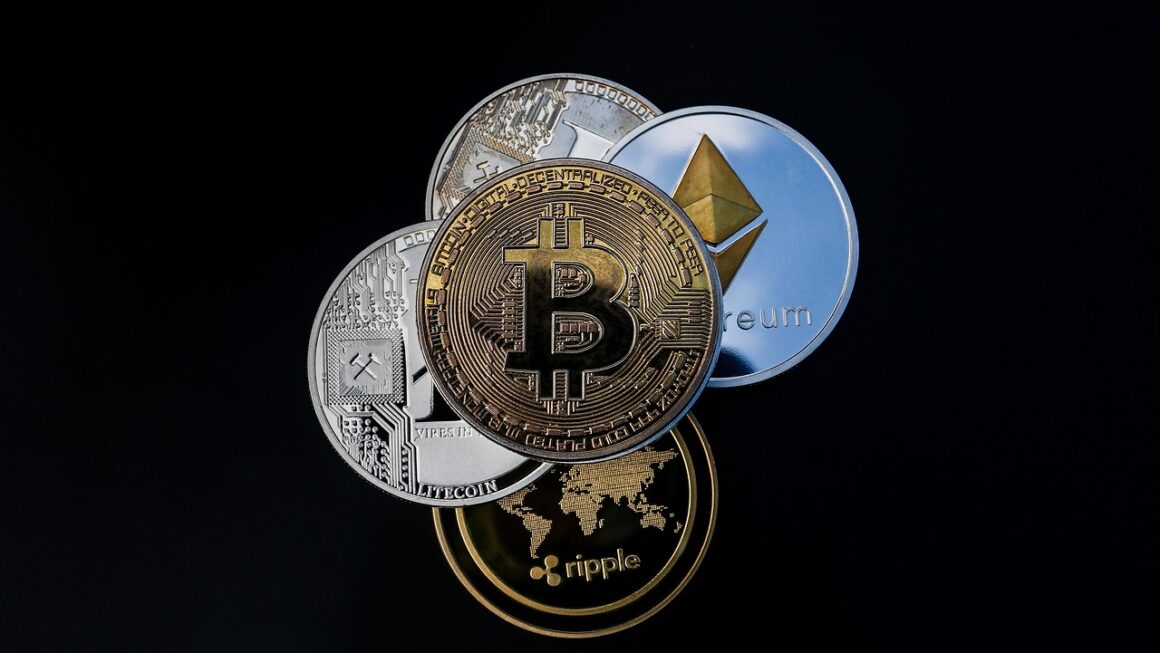
- Cryptocurrencies: Bitcoin (BTC), Ethereum (ETH), Ripple (XRP), Litecoin (LTC), and thousands of altcoins. These serve as digital money and investment vehicles.
- Non-Fungible Tokens (NFTs): Unique digital assets whose ownership is recorded on a blockchain. They can represent art, collectibles, music, virtual real estate, or even tweets.
- Tokenized Securities: Digital representations of traditional securities like stocks or bonds, offering increased liquidity and transparency through blockchain technology.
- Examples: Holding Bitcoin as an investment, owning an NFT of digital art, or participating in a decentralized finance (DeFi) protocol.
Data and Intellectual Property Assets
Often overlooked but immensely valuable, these assets drive innovation, inform business decisions, and provide a competitive edge.
- Customer Databases: Contact information, purchase history, behavioral data. Essential for targeted marketing and customer relationship management.
- Proprietary Algorithms and Software Licenses: Unique code, machine learning models, patented software that gives a company a distinct advantage.
- Trademarks and Patents: Digitally registered intellectual property that protects brand identity and inventions.
- Analytics Data: Website traffic, user engagement metrics, sales data. Used for strategic planning and performance optimization.
- Examples: Google’s search algorithm, a biotech company’s genetic sequence database, or a social media platform’s user engagement data.
Actionable Takeaway: Conduct an audit of your own digital presence to identify all categories of digital assets you possess, both personal and professional. This awareness is the first step toward effective management.
The Immense Value and Impact of Digital Assets
The true power of digital assets lies in their ability to generate immense value, transforming both business operations and individual capabilities. Their impact spans economic growth, brand building, and creative empowerment.
Economic and Business Advantages
For businesses, digital assets are no longer just supplementary; they are central to growth, efficiency, and market presence.
- Revenue Generation: Directly through sales of digital products (software, e-books, courses), advertising revenue on digital platforms, or indirectly by driving sales of physical goods/services.
- Operational Efficiency: Streamlining workflows, automating processes, and improving collaboration through shared digital files and platforms.
- Brand Equity and Market Reach: A strong online presence, consistent branding across digital channels, and engaging content build trust and extend reach globally.
- Competitive Edge: Proprietary data, unique algorithms, and advanced analytics derived from digital assets provide insights that competitors lack.
- Example: A successful e-commerce business relies on product images, descriptions, customer data, and a robust website (all digital assets) to drive billions in sales. The global Digital Asset Management (DAM) market, which helps manage these assets, is projected to grow significantly, highlighting the increasing investment businesses are making in this area.
Personal and Creative Empowerment
Beyond business, digital assets empower individuals to express themselves, build personal brands, and even create new income streams.
- Personal Brand Building: Social media profiles, personal websites, online portfolios, and blogs allow individuals to showcase skills and expertise.
- Creative Expression: Digital art, music production, video editing, and writing platforms enable creators to produce and share their work with global audiences.
- Passive Income Streams: Selling stock photos, digital designs, online courses, or even earning royalties from digital content.
- Example: A freelance graphic designer’s portfolio website filled with their best work (digital assets) serves as their primary marketing tool, attracting clients from around the world.
Actionable Takeaway: View your digital assets as strategic investments. Quantify their potential ROI, whether it’s through increased sales, improved efficiency, or personal brand growth, and prioritize their development and maintenance.
Mastering Your Digital Assets: Strategy and Management
As the volume and complexity of digital assets grow, effective management becomes paramount. Without a strategic approach, these valuable resources can quickly become disorganized, inaccessible, or vulnerable.
The Importance of Digital Asset Management (DAM)
Digital Asset Management (DAM) refers to systems and processes for organizing, storing, and retrieving digital assets. A robust DAM strategy ensures that your assets are not only accessible but also used effectively and consistently.
- Improved Workflows: Centralized access reduces search times and improves collaboration among teams.
- Brand Consistency: Ensures that only approved, up-to-date versions of brand assets (logos, fonts, colors) are used across all channels.
- Reduced Costs: Avoids recreation of assets, reduces licensing fees by tracking usage, and minimizes legal risks.
- Enhanced Security: Protects valuable assets from unauthorized access, loss, or misuse.
- Example: A marketing team using a DAM system can quickly locate the correct version of a product image for a new campaign, ensuring brand consistency and saving hours of searching.
Key Strategies for Effective Management
Implementing a few core strategies can significantly improve how you handle your digital assets, regardless of scale.
- Centralized Storage: Use cloud services (Google Drive, Dropbox, AWS S3) or dedicated DAM platforms to store all assets in one accessible location.
- Clear Metadata and Tagging: Assign relevant keywords, descriptions, and categories to each asset to make it easily searchable. Think of it like a library catalog for your digital files.
- Version Control: Implement a system to track changes and revisions, ensuring everyone is working with the latest version and previous versions can be recovered if needed.
- Access Permissions and Roles: Control who can view, edit, or delete assets, preventing unauthorized modifications or exposure.
- Backup and Recovery: Regularly back up all critical digital assets to multiple locations (e.g., local drive and cloud) to prevent data loss.
- Practical Tip: Adopt a consistent naming convention for your files (e.g., `ProjectName_AssetType_Date_Version.jpg`) to improve organization from the outset.
Security and Protection
Protecting your digital assets is as crucial as creating them. Intellectual property, sensitive data, and valuable content must be safeguarded against theft, misuse, and loss.
- Cybersecurity Measures: Implement strong passwords, two-factor authentication (2FA), encryption, and robust firewalls to protect stored assets from hackers.
- Copyright and Licensing: Understand and enforce your intellectual property rights. Use watermarks, copyright notices, and legal agreements to protect original content.
- Blockchain for Verifiable Ownership: For certain assets like digital art or collectibles, blockchain technology (e.g., NFTs) provides an immutable record of ownership, offering transparency and authenticity.
- Regular Audits: Periodically review your digital assets, update security protocols, and ensure compliance with data protection regulations (e.g., GDPR, CCPA).
Actionable Takeaway: Invest time in setting up a robust digital asset management system and security protocols. Treat your digital assets with the same diligence you would your physical property, recognizing their profound value and vulnerability.
Conclusion
The digital age has ushered in a new era of value creation, with digital assets standing at the forefront of this revolution. From the vast libraries of content that fuel our online interactions to the groundbreaking financial instruments transforming global economies, these intangible resources are indispensable. Understanding their diverse types, recognizing their immense value, and adopting proactive strategies for their management and protection are critical steps for anyone navigating the modern landscape. As technology continues to evolve, the importance of digital assets will only grow, underscoring the need for continuous learning and adaptation. By mastering your digital assets, you empower yourself and your organization to thrive in an increasingly connected and data-driven world, unlocking new opportunities for innovation, growth, and sustained success.