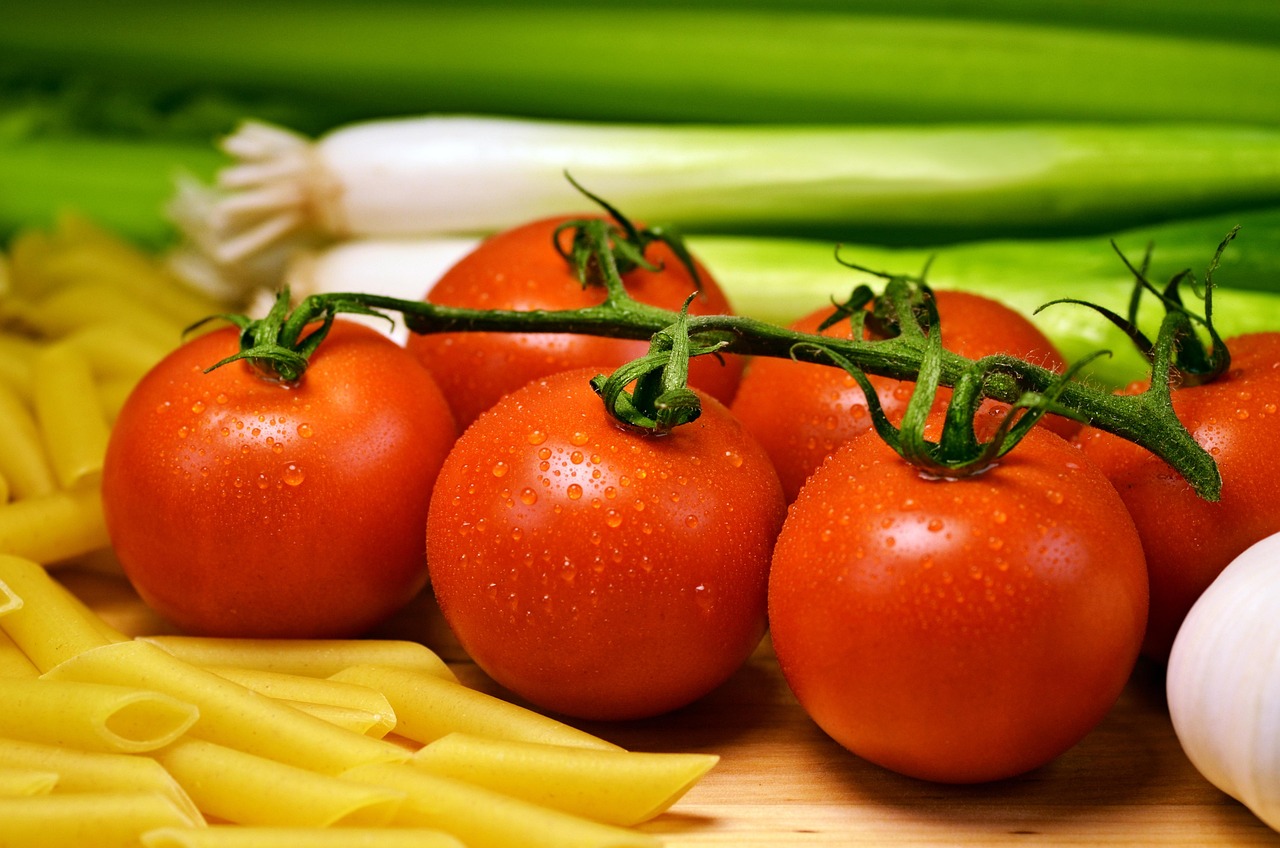
In a world overflowing with conflicting diet advice, fad trends, and a dizzying array of “superfoods,” the journey to healthy eating can often feel overwhelming. Yet, at its core, nourishing your body well is surprisingly simple. It’s about making conscious choices that fuel your energy, support your immune system, and contribute to your overall well-being and longevity. This comprehensive guide will strip away the confusion, offering practical, actionable insights to build a sustainable and enjoyable healthy eating lifestyle, transforming not just your plate, but your entire life.
Understanding the Pillars of Healthy Eating
Healthy eating is more than just counting calories; it’s about providing your body with the essential nutrients it needs to function optimally. It’s the foundation for energy, mood stability, and disease prevention.
Macronutrients: Fueling Your Body
Macronutrients are the nutrients your body needs in larger amounts for energy and building blocks. There are three main types:
- Carbohydrates: Your body’s primary source of energy.
- Complex Carbohydrates: Found in whole grains, vegetables, and legumes. They provide sustained energy, fiber, and essential nutrients. Example: Brown rice, oats, sweet potatoes.
- Simple Carbohydrates: Found in refined sugars, white bread, and many processed foods. They offer quick energy but often lead to energy crashes and lack nutritional value. Aim to limit these.
- Proteins: Essential for building and repairing tissues, making enzymes and hormones, and supporting immune function.
- Lean Protein Sources: Chicken, fish, eggs, lean beef, dairy.
- Plant-Based Proteins: Beans, lentils, tofu, tempeh, quinoa, nuts, seeds.
- Fats: Crucial for hormone production, nutrient absorption, and protecting organs.
- Healthy Fats (Unsaturated): Found in avocados, nuts, seeds, olive oil, and fatty fish (like salmon). These can improve heart health and reduce inflammation.
- Saturated Fats: Found in red meat, butter, and full-fat dairy. Consume in moderation.
- Trans Fats: Found in many processed and fried foods. Avoid these entirely, as they significantly raise the risk of heart disease.
Actionable Takeaway: Focus on balanced meals that include a variety of complex carbohydrates, lean proteins, and healthy fats at each sitting to maintain energy and satiety.
Micronutrients: The Hidden Heroes
Micronutrients – vitamins and minerals – are needed in smaller amounts but are vital for thousands of bodily functions, from energy production to immune defense.
- Vitamins: Organic compounds essential for normal growth and nutrition. Examples: Vitamin C for immune health, Vitamin D for bone health, B vitamins for energy metabolism.
- Minerals: Inorganic elements that play crucial roles in various bodily processes. Examples: Calcium for strong bones, Iron for oxygen transport, Potassium for fluid balance.
The best way to get a full spectrum of micronutrients is through a diverse diet rich in fruits, vegetables, and whole grains, rather than relying solely on supplements.
Actionable Takeaway: “Eat the rainbow” by incorporating a wide variety of colorful fruits and vegetables into your daily meals to ensure a broad intake of essential vitamins and minerals.
The Power of Whole Foods: Ditching Processed Products
One of the simplest yet most impactful shifts you can make is prioritizing whole, unprocessed foods over their refined counterparts. Whole foods are foods that are as close to their natural state as possible, with minimal processing and no added artificial ingredients.
Embracing Fruits and Vegetables
Fruits and vegetables are nutrient powerhouses, packed with vitamins, minerals, fiber, and antioxidants (phytonutrients) that protect your cells from damage.
Practical Examples:
- Leafy Greens: Spinach, kale, Swiss chard are rich in vitamins K, A, C, and folate. Add them to smoothies, salads, or stir-fries.
- Berries: Blueberries, strawberries, raspberries are high in antioxidants. Enjoy them as snacks, in yogurt, or oatmeal.
- Cruciferous Vegetables: Broccoli, cauliflower, Brussels sprouts contain compounds that may help prevent certain cancers. Roast them for a delicious side dish.
- Colorful Peppers: Bell peppers (red, yellow, orange) are excellent sources of Vitamin C. Slice them for dips or add to fajitas.
Actionable Takeaway: Aim for at least 5 servings of fruits and vegetables daily. Try to include a fruit or vegetable at every meal and snack.
Grains and Legumes: Fiber and Sustenance
Whole grains and legumes are excellent sources of complex carbohydrates, fiber, and plant-based protein, contributing to satiety and digestive health.
Practical Examples:
- Whole Grains:
- Oats: A fantastic breakfast option, rich in soluble fiber.
- Quinoa: A complete protein, versatile for salads, sides, or as a base for meals.
- Brown Rice: A healthier alternative to white rice, providing more fiber and nutrients.
- Whole Wheat Bread/Pasta: Opt for 100% whole wheat versions over refined white flour products.
- Legumes:
- Lentils: Great in soups, stews, or as a meat substitute in tacos.
- Beans (black, kidney, pinto): Add to chili, salads, or make homemade refried beans.
- Chickpeas: Roast them for a crunchy snack, or blend into hummus.
Actionable Takeaway: Replace refined grains with whole grain alternatives and incorporate legumes into your diet 2-3 times a week for an extra boost of fiber and protein.
Hydration and Mindful Eating: More Than Just Food
Beyond the specific foods you consume, how you hydrate and approach your meals plays a crucial role in your overall health and digestion.
The Essential Role of Water
Water is often overlooked but is fundamental for almost every bodily function. It aids in nutrient transport, regulates body temperature, lubricates joints, and helps flush out waste products.
- Benefits of Adequate Hydration:
- Improved energy levels and cognitive function.
- Better digestion and nutrient absorption.
- Healthy skin and body temperature regulation.
- Assists in weight management by increasing satiety.
- How Much Water Do You Need? General guidelines suggest around 8 glasses (2 liters) per day, but individual needs vary based on activity level, climate, and body size. Listen to your body’s thirst cues.
Practical Tips for Staying Hydrated:
- Carry a reusable water bottle throughout the day.
- Infuse water with fruits (lemon, cucumber, berries) for added flavor.
- Drink a glass of water before each meal.
- Limit sugary drinks, which often contribute to dehydration and calorie intake without nutritional benefit.
Actionable Takeaway: Make water your primary beverage. Start your day with a large glass of water and sip throughout the day, aiming for consistent hydration.
Practicing Mindful Eating
Mindful eating is the practice of paying full attention to your food—as you buy it, prepare it, and consume it—and tuning into your body’s physical and emotional sensations. It helps you recognize true hunger, satiety, and appreciate your food more fully.
- Benefits of Mindful Eating:
- Reduced overeating and better portion control.
- Improved digestion and nutrient absorption.
- Increased enjoyment of food and a healthier relationship with eating.
- Decreased stress around food choices.
Practical Steps to Practice Mindful Eating:
- Slow Down: Put your fork down between bites.
- Chew Thoroughly: Savor the texture and flavor of each bite.
- Eat Without Distractions: Turn off screens, put away your phone.
- Listen to Your Body: Eat when you’re hungry, stop when you’re satisfied, not stuffed.
- Engage Your Senses: Notice the colors, aromas, and tastes of your food.
Actionable Takeaway: Dedicate at least one meal a day to practicing mindful eating. Eliminate distractions and focus solely on the experience of eating for 15-20 minutes.
Building a Sustainable Healthy Eating Plan
The key to lasting healthy eating is sustainability. It’s about creating habits that fit into your lifestyle, rather than restrictive diets that are difficult to maintain.
Meal Planning and Preparation
Planning your meals in advance can save time, money, and significantly reduce the likelihood of making unhealthy impulse choices.
- Benefits:
- Ensures balanced nutrition throughout the week.
- Reduces food waste and grocery bills.
- Saves time during busy weeknights.
- Helps avoid fast food or unhealthy takeout.
Practical Steps:
- Plan Your Menu: Dedicate an hour each week to plan your meals and snacks for the upcoming days.
- Create a Grocery List: Shop with a specific list to avoid impulse buys and ensure you have all necessary ingredients.
- Batch Cook: Prepare large quantities of staples like quinoa, roasted vegetables, or grilled chicken on a designated day (e.g., Sunday) to use throughout the week.
- Pre-Portion Snacks: Divide nuts, seeds, or chopped fruits into individual containers for easy grab-and-go options.
Actionable Takeaway: Start by planning and prepping just 2-3 meals for the week. Once comfortable, expand to planning most of your meals and snacks.
Portion Control: The Key to Balance
Even healthy foods can contribute to weight gain if consumed in excess. Understanding appropriate portion sizes is critical for managing calorie intake and achieving health goals.
- Visual Cues (Hand Guide):
- Protein (e.g., chicken, fish): Size of your palm.
- Vegetables: Size of your clenched fist.
- Carbohydrates (e.g., rice, pasta): Half a clenched fist.
- Fats (e.g., nuts, avocado): Size of your thumb.
- Use Smaller Plates: A simple trick to make portions look larger and more satisfying.
- Listen to Your Body: Stop eating when you feel comfortably satisfied, not uncomfortably full.
Actionable Takeaway: For a week, pay close attention to your portion sizes using the hand guide. You’ll quickly learn to eyeball appropriate amounts without constant measuring.
Smart Snacking and Indulgences
Snacking can be a healthy part of your diet if done mindfully, bridging the gap between meals and preventing excessive hunger. And yes, there’s always room for occasional treats!
- Healthy Snack Ideas:
- A handful of almonds or walnuts.
- Greek yogurt with berries.
- Apple slices with peanut butter.
- Vegetable sticks with hummus.
- Hard-boiled eggs.
- Mindful Indulgences: It’s important to allow for occasional treats to prevent feelings of deprivation. The key is moderation. Enjoy a small piece of dark chocolate or a slice of cake at a special occasion, savoring every bite, rather than restricting entirely and then binging.
Actionable Takeaway: Plan your snacks just like your meals. Choose snacks that combine protein and fiber to keep you full and energized. Allow for small, mindful indulgences without guilt.
Debunking Common Healthy Eating Myths
The healthy eating landscape is rife with misinformation. Let’s clarify some common myths that might be hindering your progress.
“All Carbs Are Bad”
This is one of the most pervasive myths. While refined carbohydrates (white bread, sugary drinks) offer little nutritional value and can contribute to health issues, complex carbohydrates from whole grains, fruits, and vegetables are essential for energy, fiber, and micronutrients. They are vital for brain function and physical performance.
Fact: Focus on choosing whole, unprocessed carbohydrates over refined ones. Your body needs them!
“Fat-Free Means Healthy”
For decades, “fat-free” was synonymous with healthy. However, many fat-free products compensate for the lack of fat (and flavor) by adding excessive amounts of sugar, artificial sweeteners, and other unhealthy additives. These hidden sugars can be more detrimental to health than natural fats.
Fact: Prioritize healthy fats (avocado, nuts, olive oil) and check labels for added sugars in “fat-free” or “low-fat” products.
“Juice Cleanses Detox Your Body”
The idea that a juice cleanse can “detox” your body is largely unfounded. Your liver and kidneys are incredibly efficient organs designed to continuously detoxify your body. While juices can provide some vitamins, they often lack fiber and protein, leading to hunger and energy crashes. Relying solely on juice for extended periods can also deprive your body of essential nutrients.
Fact: Support your body’s natural detoxification process by eating a balanced diet rich in whole fruits and vegetables, adequate protein, and plenty of water.
Actionable Takeaway: Be a critical consumer of health information. Question sweeping statements and seek evidence-based advice from reputable sources like registered dietitians or nutritionists.
Conclusion
Embarking on a journey of healthy eating is one of the most profound investments you can make in your own well-being. It’s not about perfection, but about progress, consistency, and developing a mindful, positive relationship with food. By understanding the importance of whole foods, embracing balanced macronutrients, prioritizing hydration, and practicing mindful eating, you can build a sustainable lifestyle that fuels your body, energizes your mind, and fortifies your health.
Start small, be patient with yourself, and celebrate every healthy choice. Your body is an incredible machine, and providing it with the right nourishment is the key to unlocking a life of vitality, resilience, and boundless energy. Take the first step today – your future self will thank you.