The culinary world is a magnificent tapestry woven with threads of diverse ingredients, but perhaps none are as enchanting and transformative as spices. From the moment ancient civilizations discovered their potent aromas and flavors, spices have embarked on an extraordinary journey across continents, shaping cultures, economies, and palates. More than just flavor enhancers, these dried seeds, fruits, roots, barks, and flowers possess an undeniable magic, capable of transporting us to distant lands with a single whiff, elevating simple dishes into gastronomic masterpieces, and even bestowing remarkable health benefits. Join us as we delve deep into the captivating universe of spices, exploring their rich history, incredible versatility, and the art of harnessing their power in your kitchen.
The Rich History and Cultural Significance of Spices
Spices are not merely ingredients; they are relics of history, echoing tales of ancient civilizations, epic voyages, and profound cultural exchanges. Their journey from exotic lands to our spice racks is a testament to humanity’s enduring quest for flavor, health, and wealth.
Ancient Roots and Trade Routes
For millennia, spices were considered more valuable than gold, driving exploration and conquest. Ancient Egyptians used them for embalming and medicine, while Romans prized them for their culinary and medicinal properties. The legendary Spice Route, a network of land and sea passages, facilitated the trade of precious commodities like cinnamon, pepper, and cloves from the East to the West, fostering cross-cultural interactions and shaping global economies.
- Silk Road: A historic network of trade routes connecting the East and West, crucial for spice exchange.
- Maritime Routes: Arab, Indian, and later European explorers navigated dangerous seas to control the lucrative spice trade, leading to significant historical events and discoveries.
- Early Uses: Beyond food, spices were integral to perfumes, religious ceremonies, and traditional medicine.
Actionable Takeaway: Appreciate the long and arduous journey your everyday spices undertook to reach your kitchen, recognizing their historical value.
Cultural Impact and Traditions
Spices are deeply embedded in the cultural fabric of societies worldwide. They are central to traditional cuisines, passed down through generations, and often carry symbolic meanings.
- Culinary Heritage: Indian curries, Mexican moles, Thai stir-fries, and Middle Eastern tagines are defined by their complex spice blends, telling stories of regional ingredients and historical influences.
- Medicinal Traditions: Many ancient healing systems, like Ayurveda and Traditional Chinese Medicine, extensively use spices for their therapeutic properties, a practice that continues to influence modern natural remedies.
- Ritual and Symbolism: Spices have been used in religious rituals, festivals, and celebrations across various cultures, symbolizing prosperity, purification, or hospitality.
Actionable Takeaway: Explore how spices are used in different cultural dishes. For example, research the specific spices in a traditional Ethiopian Wot or a Moroccan Harira soup to understand their cultural context.
Unlocking the Flavor Powerhouse: Types and Profiles
The vast world of spices offers an incredible spectrum of flavors, from intensely pungent to delicately floral. Understanding these profiles is key to mastering their use in cooking and creating balanced, aromatic dishes.
Aromatic and Warm Spices
These spices are often associated with baking, desserts, and comforting dishes, but their versatility extends far beyond sweets. They typically provide warm, sweet, or woody notes.
- Cinnamon: Sweet, woody, warm. Essential in both sweet and savory dishes, from apple pie to Moroccan tagines.
- Cloves: Intensely aromatic, sweet, pungent. Often used sparingly in baking, mulled wine, and savory stews.
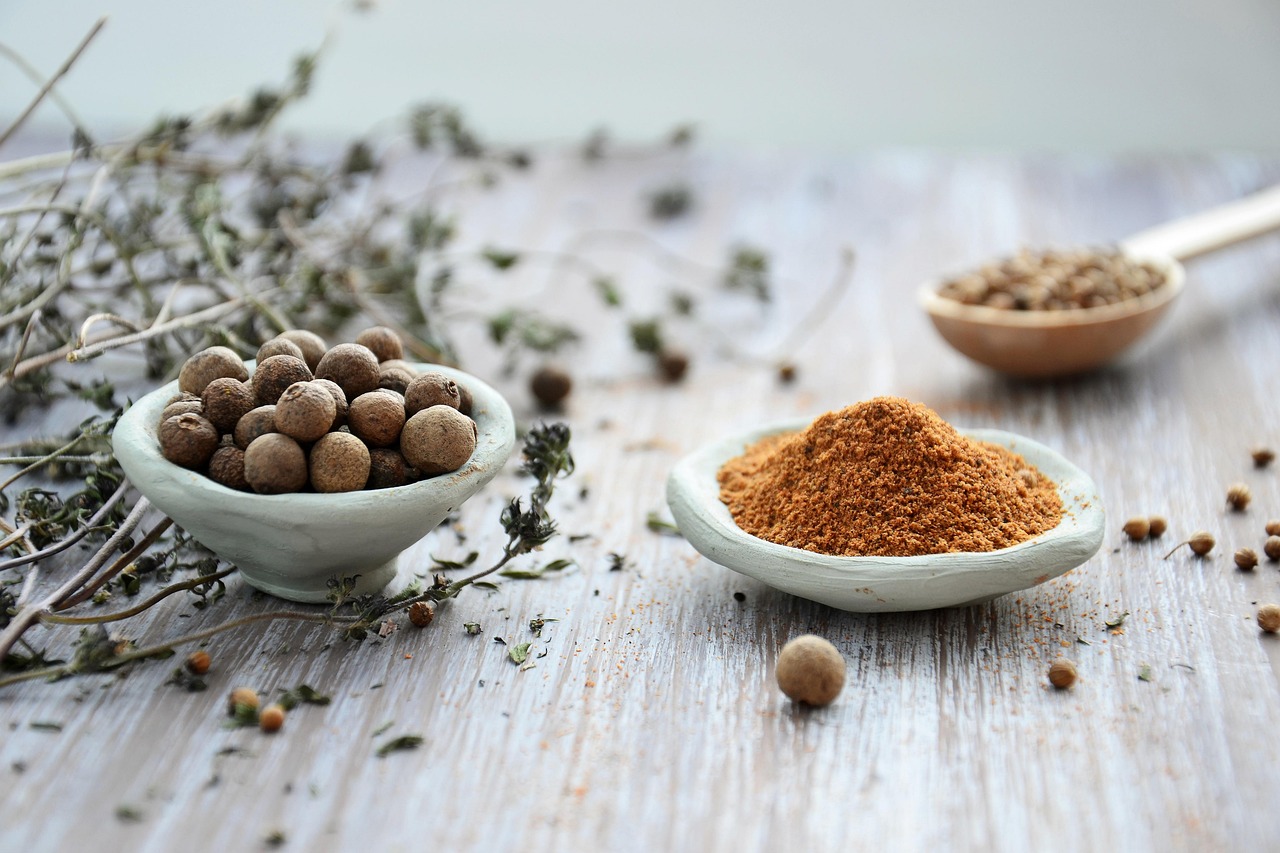
- Nutmeg & Mace: Nutmeg offers a warm, slightly sweet, and nutty flavor; mace (the outer covering of the nutmeg seed) is similar but more delicate. Great in cream sauces, baked goods, and root vegetable dishes.
- Cardamom: Fragrant, citrusy, floral, and slightly spicy. A star in Scandinavian baking, Indian sweets, and Middle Eastern coffee.
Practical Example: A pinch of cinnamon can elevate roasted carrots, while a dash of ground cloves adds depth to a robust beef stew.
Pungent and Hot Spices
These spices bring heat, sharpness, and a stimulating kick to dishes, awakening the palate and adding exciting dimensions.
- Chili Peppers (Paprika, Cayenne, Red Pepper Flakes): Ranging from mild to fiery, they provide a capsaicin-induced warmth. Paprika offers smoky or sweet notes, while cayenne delivers pure heat.
- Black Pepper: Pungent, woody, and sharp. The most widely used spice globally, enhancing nearly every savory dish. Freshly ground is always best.
- Ginger: Pungent, warm, and spicy with a citrusy undertone. Used fresh or dried, it’s vital in Asian cuisines, curries, and desserts.
Practical Example: Add a pinch of cayenne pepper to chocolate desserts for a surprising kick, or freshly ground black pepper to fruit for an elevated flavor.
Earthy and Savory Spices
These spices form the backbone of many savory dishes, providing depth, warmth, and umami-rich notes that ground the flavors.
- Cumin: Earthy, warm, slightly bitter, and pungent. Indispensable in Mexican, Indian, Middle Eastern, and North African cuisines.
- Coriander: Warm, nutty, citrusy, and slightly sweet. Used in curries, spice rubs, and pickling.
- Turmeric: Earthy, slightly bitter, peppery, with a vibrant yellow hue. A cornerstone of Indian and Southeast Asian cooking, also known for its health benefits.
- Fennel Seed: Anise-like, sweet, and aromatic. Popular in Italian sausages, fish dishes, and Indian digestives.
Actionable Takeaway: Experiment with roasting whole spices like cumin and coriander before grinding them to intensify their earthy aromas and flavors. This simple step can transform your spice game.
Beyond Flavor: The Incredible Health Benefits of Spices
While spices are celebrated for their culinary prowess, their role in promoting health and well-being is equally impressive. Many common spices are packed with powerful compounds that offer a range of therapeutic benefits, backed by centuries of traditional medicine and growing scientific research.
Anti-inflammatory Powerhouses
Chronic inflammation is at the root of many modern diseases. Fortunately, nature provides powerful anti-inflammatory agents in our spice racks.
- Turmeric: Contains curcumin, a potent anti-inflammatory compound. Studies suggest it can help reduce pain and inflammation similar to some over-the-counter drugs.
- Ginger: Rich in gingerol, a bioactive compound with significant anti-inflammatory and antioxidant effects. It’s often used to soothe muscle pain and reduce nausea.
- Cinnamon: Its anti-inflammatory properties can help reduce swelling and pain, contributing to overall well-being.
Practical Example: Add a teaspoon of turmeric to your morning smoothie or a slice of fresh ginger to your tea to leverage their anti-inflammatory power.
Antioxidant Boosters
Antioxidants protect your cells from damage caused by free radicals, which are linked to aging and various chronic diseases. Many spices are brimming with these protective compounds.
- Cloves: One of the richest sources of antioxidants, boasting an impressive ORAC (Oxygen Radical Absorbance Capacity) score.
- Oregano: While often considered an herb, dried oregano leaves offer powerful antioxidants, surpassing many fruits and vegetables.
- Cinnamon: Beyond its anti-inflammatory effects, cinnamon is also packed with protective antioxidants.
Practical Example: Incorporate more cloves into your baking or savory dishes, and sprinkle dried oregano generously on pizzas, pasta, and roasted vegetables.
Digestive Aids and Immunity Support
Spices have long been used to promote digestive health and bolster the body’s natural defenses.
- Fennel Seeds: Known for their carminative properties, they help relieve gas and bloating and can aid digestion after meals.
- Cumin: Stimulates digestive enzymes and helps alleviate indigestion.
- Garlic Powder & Onion Powder: These allium family members possess immune-boosting properties due to compounds like allicin, which have antiviral and antibacterial effects.
Actionable Takeaway: After a heavy meal, try chewing on a few fennel seeds or brewing a cup of ginger tea to aid digestion naturally.
Mastering the Art of Cooking with Spices
Transforming ordinary ingredients into extraordinary meals is the true magic of spices. Mastering their use involves understanding their forms, how to awaken their flavors, and how to combine them harmoniously.
Whole vs. Ground Spices
The form of your spice significantly impacts its flavor and aroma. Choosing between whole and ground can elevate your cooking.
- Whole Spices: Possess a longer shelf life and retain their volatile oils until ground. They offer a fresher, more robust flavor when freshly crushed or ground. Ideal for slow-cooked dishes, infusing oils, or making spice blends.
- Ground Spices: Convenient and readily available. They release their flavors more quickly, making them suitable for faster cooking or when a smooth texture is desired. However, they lose potency faster.
- Toasting: A crucial step for many whole spices (e.g., cumin, coriander, cardamom). Dry roasting in a pan awakens their essential oils, intensifying their aroma and deepening their flavor before grinding or adding to a dish.
Practical Example: Toast whole cumin seeds and coriander seeds, then grind them for a vibrant curry powder. Use whole star anise in a pho broth for a fragrant infusion.
Layering Flavors and Spice Blends
The secret to complex, delicious dishes often lies in the art of layering spices and creating balanced blends. Think of spices as a palette of colors, each adding a unique hue to your culinary canvas.
- Bloom Spices in Fat: Sautéing ground spices in a little oil or ghee at the beginning of cooking “blooms” their flavors, releasing their fat-soluble compounds and intensifying their aroma.
- Building Complexity: Start with foundational spices (e.g., cumin, coriander), add aromatic spices (e.g., cinnamon, cardamom), then introduce heat (e.g., chili), and finish with fresh herbs or a sprinkle of finishing spices.
- Homemade Spice Blends: Creating your own blends like Garam Masala, Ras el Hanout, or Cajun seasoning allows for customization and ensures maximum freshness and flavor.
Practical Example: For a simple roasted chicken, rub with a blend of smoked paprika, garlic powder, onion powder, dried thyme, and a pinch of cayenne. This blend delivers warmth, earthiness, and a subtle kick.
Spice Storage and Shelf Life
Proper storage is paramount to preserving the potency and flavor of your spices, ensuring they deliver their best every time you cook.
- Cool, Dark Place: Store spices away from direct sunlight, heat, and moisture, such as in a pantry or drawer, not above the stove.
- Airtight Containers: Glass jars with tight-fitting lids are ideal to prevent air exposure, which oxidizes and degrades spices.
- Shelf Life Guidelines:
- Whole Spices: Can last 3-4 years.
- Ground Spices: Best used within 1-2 years.
- Herbs (dried): 1-3 years.
While spices don’t spoil in a way that makes them unsafe, they do lose their potency. If a spice no longer has a strong aroma when sniffed, it’s time to replace it.
Actionable Takeaway: Regularly check your spice collection. Sniff test older spices and replace any that have lost their vibrant aroma to ensure your dishes are always bursting with flavor.
Exploring Global Spice Adventures
The world’s cuisines are a testament to the diverse and inventive ways spices are used. Embarking on a global spice adventure can open up new culinary horizons and deepen your appreciation for different food cultures.
Essential Spices for World Cuisines
Every major cuisine has its signature spices that define its flavor profile. Understanding these core ingredients is your passport to cooking authentic global dishes.
- Indian Cuisine: Cumin, coriander, turmeric, cardamom, fenugreek, garam masala.
- Mexican Cuisine: Cumin, chili powder (a blend), smoked paprika, oregano, cinnamon.
- Middle Eastern Cuisine: Cumin, coriander, sumac, za’atar, cardamom, allspice.
- Thai Cuisine: Galangal, lemongrass (fresh, but also available dried), kaffir lime leaves (dried), chili flakes, white pepper.
- Moroccan Cuisine: Cumin, ginger, turmeric, cinnamon, paprika, saffron, Ras el Hanout.
Practical Example: To create a quick Indian-inspired dish, sauté cumin seeds and turmeric in oil, then add vegetables and lentils. For a Mexican flair, use cumin, chili powder, and oregano in your taco seasoning.
Discovering Lesser-Known Gems
Beyond the common spices, there’s a treasure trove of lesser-known or regional spices that can add unique and exciting dimensions to your cooking.
- Sumac: A vibrant, tangy, slightly fruity spice from the Middle East, perfect for sprinkling over salads, hummus, or grilled meats.
- Za’atar: A Middle Eastern blend of dried thyme, oregano, marjoram, toasted sesame seeds, and sumac. Excellent with olive oil on bread, or as a rub for chicken.
- Annatto (Achiote): Imparts a subtle, earthy, nutty flavor and a beautiful orange-red color, common in Mexican and Caribbean cuisines.
- Grains of Paradise: A West African spice with a peppery, citrusy, and floral note, great as a substitute for black pepper or in rubs.
Actionable Takeaway: Visit an international grocery store or specialty spice shop. Pick one new, unfamiliar spice and research its origins and traditional uses, then try incorporating it into a dish this week.
Conclusion
Spices are far more than mere flavorings; they are a culinary legacy, a cornerstone of global health traditions, and an endless source of inspiration. From their ancient origins on the bustling Spice Routes to their place in our modern kitchens, these potent ingredients have captivated humanity with their ability to transform, heal, and delight. By understanding their history, flavor profiles, health benefits, and proper usage, you unlock a universe of gastronomic possibilities. So, open your spice cabinet, take a deep breath, and allow the enchanting aromas to guide you. Experiment, explore, and let the incredible power of spices elevate your cooking to an art form, one delicious dish at a time. Your next great culinary adventure awaits!