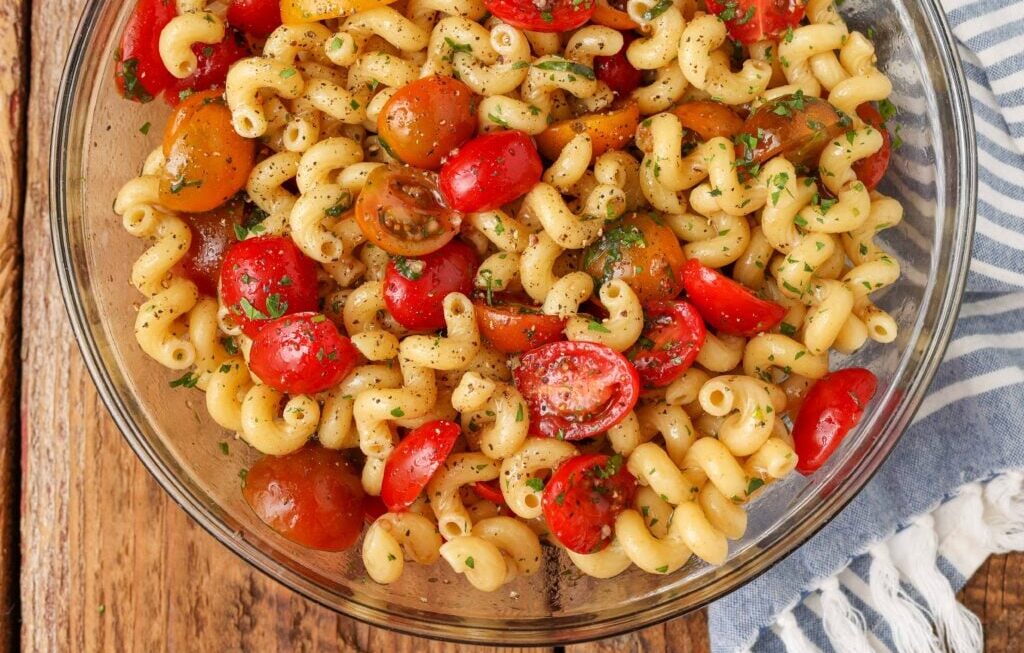
In the vast landscape of culinary delights, there’s a special category that consistently captures attention and sets the tone for any gathering: appetizers. These delightful small bites, also known as starters or hors d’oeuvres, are far more than just a prelude to the main course. They are an invitation to indulge, a conversation starter, and often, the unsung heroes that elevate an event from ordinary to extraordinary. Whether you’re planning an elaborate dinner party, a casual get-together, or simply looking for delightful small plates to enjoy, mastering the art of appetizers is a skill every host can cultivate to impress guests and enhance the overall dining experience.
The Art of the Appetizer: More Than Just a Starter
Appetizers play a crucial role in the dining experience, serving multiple purposes beyond merely curbing initial hunger. They are an opportunity for culinary creativity, a chance to showcase diverse flavors, and a welcoming gesture that puts guests at ease.
What Defines an Appetizer?
An appetizer is typically a small dish or food item served before the main meal, designed to whet the appetite without satiating it. They are often served as finger foods, allowing for easy consumption while mingling, though some can be more substantial small plates.
- Portion Size: Generally small, often single-bite or a few bites.
- Flavor Profile: Usually distinct, sometimes contrasting with the main course, or offering a complementary taste.
- Function: To stimulate the palate, introduce themes, or serve as light sustenance during social events.
The Purpose of Appetizers
Understanding why we serve appetizers helps in selecting the right ones for any occasion.
- Stimulate the Appetite: The primary goal is to awaken the taste buds and prepare them for the dishes to come.
- Social Facilitation: They provide a focal point for guests to gather around and interact while waiting for the main meal.
- Showcase Culinary Skill: Appetizers offer a chance to experiment with new flavors or present a refined culinary touch early in the evening.
- Bridge Gaps: For buffet-style events or those with a flexible main course timing, appetizers keep guests engaged and content.
Benefits of Serving Appetizers
Incorporating a thoughtfully chosen selection of appetizers can significantly enhance your hosting prowess.
- Enhanced Guest Experience: Guests feel welcomed and cared for from the moment they arrive.
- Reduced Pressure: Allows the host more time for last-minute main course preparations.
- Dietary Accommodation: An excellent way to offer options for guests with various dietary restrictions (e.g., vegetarian, gluten-free, vegan appetizers).
- Increased Enjoyment: Adds variety and layers to the dining experience, making it more memorable.
Actionable Takeaway: Don’t view appetizers as an afterthought. Strategically select them to align with your event’s theme and guest preferences to create a truly inviting atmosphere.
Types of Appetizers: A Culinary Spectrum
The world of appetizers is incredibly diverse, offering a range of styles and forms suitable for any event. Choosing the right type depends on the formality of your gathering, your guests’ preferences, and your preparation capabilities.
Finger Foods & Passed Hors d’oeuvres
These are perhaps the most popular type, ideal for mingling and standing receptions, as they require no utensils.
- Examples: Mini quiches, spring rolls, bruschetta, stuffed mushrooms, shrimp cocktails, cheese and olive skewers, deviled eggs.
- Benefits: Easy to eat while standing and socializing, minimal cleanup, perfect for large crowds.
- Tip: Aim for one-to-two-bite portions to avoid mess and allow guests to sample a variety.
Dips & Spreads
Communal and comforting, dips and spreads are fantastic for casual gatherings and provide a delicious centerpiece for conversation.
- Examples: Hummus with pita bread, spinach and artichoke dip with crackers, guacamole with tortilla chips, cheese balls with crudités, savory tapenades.
- Benefits: Often easy to prepare in advance, can serve many people, encourage communal sharing.
- Tip: Offer a variety of dippers, including fresh vegetables, different types of bread, and crackers, to cater to various tastes and dietary needs.
Small Plates & Tapas-Style Dishes
These are more substantial appetizers, often served in smaller portions, allowing guests to try several dishes. This style promotes a more relaxed, extended dining experience.
- Examples: Patatas bravas, gambas al ajillo (garlic shrimp), mini tacos, sliders, artisanal charcuterie boards, gourmet cheese boards, elaborate seafood towers.
- Benefits: More filling than finger foods, great for showcasing complex flavors, perfect for a dinner party where the main course might be delayed.
- Tip: If serving tapas, ensure you have enough small plates and serving utensils for each dish, and encourage guests to share.
Healthy & Dietary-Conscious Options
With growing awareness around health and dietary restrictions, offering fresh and light appetizers is a thoughtful gesture that caters to everyone.
- Examples: Cucumber bites with dill cream cheese, caprese skewers, fruit platters, vegetable spring rolls with peanut sauce, air-fried zucchini fries, lean chicken satay.
- Benefits: Caters to health-conscious guests, lighter on the stomach, often vibrant and colorful.
- Tip: Clearly label dishes, especially those that are vegetarian, vegan, gluten-free, or nut-free, to put guests at ease.
Actionable Takeaway: Match the style of your appetizers to the formality and flow of your event. For a standing cocktail party, prioritize easy-to-eat finger foods, while a more relaxed dinner might benefit from interactive dips or elegant small plates.
Planning Your Appetizer Spread: Key Considerations
Successful appetizer planning requires a strategic approach. Thinking through these key considerations will ensure your appetizer spread is a hit and complements your overall event.
Occasion & Guest List
The type and quantity of appetizers should always align with the nature of your event and who will be attending.
- Formal Dinner Party: Opt for elegant, refined small bites like smoked salmon blinis or gourmet cheese puffs.
Example: For a black-tie event, focus on exquisite presentation and delicate flavors.
- Casual Backyard BBQ: Heartier, more rustic options like mini pulled pork sliders, corn salsa, or grilled skewers work well.
Example: For a game day, think crowd-pleasers like loaded nachos or buffalo chicken dip.
- Guest Preferences: Consider any known allergies, dietary restrictions (vegetarian, vegan, gluten-free), or strong dislikes among your guests. Aim for a balanced selection.
- Number of Guests: Typically, plan for 3-5 pieces per person per hour if appetizers are the only food, or 1-2 pieces per person if a main meal follows shortly.
Menu Harmony: Complementing the Main Course
Appetizers should serve as a harmonious prelude, not a competing element, to your main dish.
- Avoid Repetition: Don’t serve a rich cream-based appetizer if your main course is also very creamy.
- Balance Flavors: If the main course is heavy, opt for lighter, refreshing appetizers. If the main is subtle, a bolder appetizer can add excitement.
Example: Serving a rich beef roast? Start with a light Caprese salad skewer or a fresh shrimp ceviche.
- Consider Regionality: If you’re making Italian lasagna, bruschetta or arancini would be a fitting start.
Budget & Preparation Time
Be realistic about your time, skills, and financial resources. Appetizers can range from simple to complex, and costly to economical.
- DIY vs. Store-Bought: A mix of homemade and high-quality store-bought items (like artisanal cheeses, olives, or pâté) can save time and effort without sacrificing quality.
- Prep-Ahead Options: Prioritize appetizers that can be made partially or entirely in advance to reduce stress on the day of the event.
Example: Dips, marinades, chopped vegetables, and assembled skewers can often be prepared hours or even a day ahead.
- Cost-Effective Choices: Focus on seasonal vegetables, homemade dips, or elegant bread-based starters if on a tighter budget.
Presentation Matters: Visual Appeal
People eat with their eyes first. A beautifully presented appetizer spread elevates the entire experience.
- Color and Texture: Mix vibrant colors and varied textures (creamy, crunchy, crisp) for visual interest.
- Serving Dishes: Use attractive platters, bowls, and serving utensils. Consider different heights and arrangements.
Example: A tiered serving stand can add elegance and save table space.
- Garnishes: Fresh herbs, lemon wedges, edible flowers, or a drizzle of olive oil can turn a simple dish into a gourmet appetizer.
Actionable Takeaway: A well-planned appetizer strategy considers every detail from the guest list to the final garnish, ensuring a seamless and enjoyable start to your event.
Mastering Appetizer Preparation: Tips for Success
Executing a delicious and appealing appetizer spread doesn’t have to be daunting. With a few key strategies, you can streamline the process and deliver impressive results every time.
Prep-Ahead Strategies
The secret to stress-free entertaining often lies in preparation. Maximize your enjoyment by doing as much as possible in advance.
- Component Preparation: Chop vegetables, mix dips, make sauces, and assemble skewers a day or two before. Store components separately.
Example: For bruschetta, chop tomatoes and basil, and toast bread slices hours before. Assemble just before serving to prevent sogginess.
- Freezer-Friendly Options: Many appetizers can be made, frozen, and then baked off on the day of the event (e.g., mini sausage rolls, spanakopita triangles).
- Pre-Cooked Elements: Hard-boil eggs for deviled eggs, roast vegetables, or cook meats in advance.
Ingredient Quality & Sourcing
The best appetizers start with the best ingredients. High-quality components shine through, even in small bites.
- Freshness is Key: Opt for seasonal, fresh produce. This is especially true for items like Caprese skewers or fresh salsa.
- Source Wisely: Invest in good quality cheeses, charcuterie, and specialty items when possible. These often elevate simple appetizers.
Example: A high-quality olive oil for dipping or a balsamic glaze can transform a basic bread and dip offering.
- Read Labels: For store-bought items, look for natural ingredients and minimal preservatives.
Balancing Flavors & Textures
A truly memorable appetizer spread offers a delightful interplay of tastes and mouthfeels.
- Sweet, Salty, Sour, Bitter, Umami: Aim to hit several of these fundamental tastes across your selection.
Example: Combine sweet dates wrapped in salty prosciutto with a savory goat cheese for a complex bite.
- Creamy, Crunchy, Crisp, Chewy: Offer a variety of textures to keep the palate engaged.
Example: Pair a creamy dip with crisp crudités and crusty bread. Or top a soft cracker with a crunchy nut or seed.
- Temperature Contrast: Mix hot and cold appetizers to add another dimension to the spread.
Safe Handling & Serving Temperatures
Food safety is paramount, especially when serving appetizers that may sit out for a period.
- Keep Hot Foods Hot: Use warming trays, slow cookers on a warm setting, or chafing dishes to maintain safe temperatures for hot appetizers (>140°F / 60°C).
- Keep Cold Foods Cold: Place platters of cold appetizers (e.g., shrimp cocktail, sushi) on beds of ice or use chilled serving dishes to keep them below 40°F (4°C).
- “The Two-Hour Rule”: Perishable foods should not be left at room temperature for more than two hours. If it’s a hot day (above 90°F/32°C), this window shrinks to one hour.
- Separate Utensils: Provide separate serving utensils for each dish to prevent cross-contamination.
Actionable Takeaway: Prioritize thoughtful planning, quality ingredients, sensory balance, and strict food safety to create a winning appetizer experience that both impresses and reassures your guests.
Creative Appetizer Ideas for Every Occasion
No matter the event, there’s an appetizer perfectly suited to elevate the experience. Here are some inspiring ideas to get your culinary creativity flowing.
Elegant Dinner Parties
For sophisticated gatherings, aim for refined flavors and exquisite presentation.
- Gourmet Crostini Bar: Offer a variety of toppings like fig and prosciutto with balsamic glaze, smoked salmon with dill cream cheese, or roasted red pepper and goat cheese.
- Seared Scallops with Lemon-Herb Butter: A luxurious and impressive small bite that cooks quickly.
- Miniature Beef Wellingtons: A classic made accessible in a bite-sized format, often available frozen for convenience.
- Artichoke & Gruyere Tartlets: Delicate and rich, perfect with a glass of sparkling wine.
Casual Gatherings & Game Nights
These call for hearty, crowd-pleasing, and often interactive appetizers that encourage relaxed socializing.
- Loaded Nacho Bar: Provide a base of tortilla chips and an array of toppings (seasoned ground beef/beans, cheese sauce, salsa, guacamole, sour cream, jalapeños).
- Spicy Buffalo Chicken Dip: A classic game-day favorite served hot with celery sticks and tortilla chips.
- Miniature Pizzas or Flatbreads: Easy to customize and a hit with all ages. You can even set up a DIY station.
- Homemade Soft Pretzel Bites with Beer Cheese Dip: A fun, slightly more involved, but incredibly rewarding option.
Holiday Celebrations
Holidays often involve larger groups and a festive atmosphere. Choose appetizers that feel special and can scale up.
- Cranberry Brie Bites: Puff pastry filled with brie and cranberry sauce, often topped with a pecan – festive and delicious.
- Smoked Salmon & Cream Cheese Cucumber Bites: Light, fresh, and beautiful for holiday spreads.
- Spinach Artichoke Stuffed Sweet Peppers: A healthier twist on a classic dip, baked directly into colorful mini bell peppers.
- Charcuterie & Cheese Board: An expansive board with cured meats, artisanal cheeses, fruits, nuts, crackers, and preserves always makes a grand statement.
Quick & Easy Weeknight Bites
Sometimes you just need something fast and delicious for unexpected guests or a simple family treat.
- Caprese Skewers: Cherry tomatoes, fresh mozzarella balls, and basil leaves drizzled with balsamic glaze – minimal prep, maximum flavor.
- Hummus & Veggie Platter: Store-bought hummus with an assortment of colorful raw vegetables like carrots, cucumbers, bell peppers, and snap peas.
- Whipped Feta Dip with Warm Pita: Blend feta with olive oil, lemon, and a touch of garlic for a creamy, tangy dip.
- Avocado Toast Bites: Small pieces of toasted baguette topped with mashed avocado, everything bagel seasoning, and a sprinkle of chili flakes.
Actionable Takeaway: Don’t be afraid to get creative! Mix and match ideas, adapt recipes to your taste, and remember that even simple ingredients can yield spectacular results with a little thought and presentation.
Conclusion
Appetizers are more than mere morsels; they are integral components of any successful gathering, serving as icebreakers, palate pleasers, and thoughtful gestures of hospitality. From the simplest crudités to the most elaborate gourmet bites, these small dishes set the stage for memorable meals and foster connection among guests. By thoughtfully planning your appetizer selection, considering your audience, balancing flavors and textures, and paying attention to presentation, you can transform any event into a culinary delight. So next time you host, embrace the art of the appetizer. Experiment, enjoy the process, and watch as these tiny treasures make a huge impact on your guests’ experience, proving that sometimes, the best things truly do come in small packages.