Often relegated to an afterthought, the humble side dish holds immense power to transform an ordinary meal into an extraordinary culinary experience. Far from being mere plate fillers, well-chosen side dishes act as crucial supporting characters, enhancing the main course, adding vital nutrition, and creating a symphony of flavors and textures that tantalize the palate. This comprehensive guide will explore the art and science of selecting and preparing side dishes, helping you elevate every meal, every day.
The Unsung Heroes: Why Side Dishes Matter
Side dishes are much more than just accompaniments; they are integral components that complete a meal, offering balance, contrast, and depth that a single main course simply cannot achieve on its own.
Beyond the Main Course: Enhancing the Dining Experience
Imagine a perfectly grilled steak. Delicious, yes, but add a vibrant roasted asparagus and a fluffy baked potato, and you have a complete, satisfying meal. Side dishes bring several critical elements to the table:
- Flavor Balance: They can cut through richness, add a touch of acidity, or complement existing flavors. For example, a crisp, tart coleslaw can perfectly balance a heavy, fried main course.
- Texture Contrast: A creamy main dish benefits from a crunchy side, while a tender protein can be enhanced by a crisp-roasted vegetable. This creates an engaging mouthfeel.
- Color Appeal: Visually appealing food is more appetizing. Vibrant green vegetables, colorful salads, and golden roasted potatoes add significant visual interest to any plate.
- Nutritional Completeness: Sides are often the easiest way to incorporate essential vitamins, minerals, and fiber into a meal, especially through vegetables, legumes, and whole grains. They help round out the nutritional profile, ensuring a wholesome meal.
Actionable Takeaway: Don’t default to the same side dishes. Challenge yourself to think about what elements (flavor, texture, color, nutrition) your main course might be missing, and let your side dishes fill those gaps.
The Versatility Factor: Adapting to Any Occasion
From quick weeknight dinners to elaborate holiday feasts, side dishes are incredibly adaptable. They can be simple or sophisticated, comforting or exciting, and tailored to suit any dietary preference or occasion.
- Weeknight Wonders: Quick-steamed broccoli or a simple green salad can be ready in minutes.
- Holiday Feasts: Elaborate gratins, Stuffing, or roasted root vegetable medleys take center stage alongside the main roast.
- Potlucks and Gatherings: Many side dishes, like pasta salads or bean salads, are perfect for feeding a crowd and travel well.
- Dietary Needs: Easily cater to vegetarian, vegan, gluten-free, or low-carb diets with thoughtfully chosen side dishes.
Mastering Side Dish Selection: A Strategic Approach
Choosing the right side dishes involves more than just picking what sounds good. It’s a strategic process that considers flavor, texture, nutrition, and ease of preparation.
Complementing the Main: Flavor Profiles and Pairings
The best side dishes enhance, rather than compete with, the main course. Think about the dominant flavors of your main and how sides can create harmony or intriguing contrast.
- Opposite Flavors: A rich, fatty main (like pork belly) often benefits from an acidic, bright side (like apple sauce or a vinegar-based slaw) to cut through the richness.
- Similar Flavor Families: A roasted chicken pairs beautifully with other roasted vegetables like carrots and potatoes, creating a cohesive earthy profile.
- Herbs and Spices: Consider the herbs and spices used in your main. Echoing them in a subtle way in your side can create a unified flavor profile.
Practical Example: For a spicy main like a vindaloo curry, a cooling raita (yogurt with cucumber and mint) or a simple bowl of basmati rice acts as the perfect counterpoint, balancing the heat.
Texture & Color: Adding Visual and Palate Interest
Food is eaten with the eyes first. A plate full of varying textures and vibrant colors is inherently more appealing and satisfying.
- Varying Textures: Pair something crispy (like roasted potatoes) with something creamy (like mashed cauliflower) or something tender (like pan-seared fish) with something crunchy (like a nut-topped green bean casserole).
- Vibrant Colors: Incorporate a rainbow of vegetables. Red bell peppers, green spinach, purple cabbage, orange carrots – each adds its unique visual appeal and nutritional punch.
Actionable Takeaway: Before serving, take a quick glance at your plate. Does it look appealing? Are there different colors and implied textures? If not, a quick garnish or a different side choice might be in order.
Nutritional Balance: Making Meals Wholesome
Side dishes are your secret weapon for a balanced diet. They can easily fill nutritional gaps left by a protein-heavy main course.
- Boost Fiber and Vitamins: Vegetables, legumes, and whole grains are powerhouses of fiber, vitamins, and minerals. Studies show that many adults fall short of recommended daily vegetable intake, making side dishes crucial for bridging this gap.
- Control Portion Sizes: Filling your plate with nutrient-dense vegetable sides can help you feel more satisfied with smaller portions of heavier main courses.
- Hydration: Many fresh vegetable and fruit-based sides contribute to your daily water intake.
Top Categories of Side Dishes: A Culinary Arsenal
Having a repertoire of go-to side dish categories makes meal planning much easier. Here are some essential types to master:
Vegetable-Centric Sides: The Powerhouses of Nutrition
These are often the healthiest and most versatile options, bringing color, fiber, and essential nutrients.
- Roasted Vegetables: Toss broccoli, carrots, Brussels sprouts, or sweet potatoes with olive oil, salt, pepper, and herbs. Roast until tender and slightly caramelized for deep, rich flavor.
- Steamed Greens: Quick and healthy. Spinach, kale, or green beans steamed lightly and tossed with a squeeze of lemon and a dash of garlic.
- Fresh Salads: From simple mixed greens to elaborate grain and vegetable salads, they offer crunch, freshness, and endless customization.
- Sautéed Vegetables: Asparagus, mushrooms, or bell peppers quickly sautéed with garlic and a touch of butter or olive oil for a vibrant, flavorful dish.
Practical Tip: Don’t be afraid to experiment with different seasonings for your vegetables. A sprinkle of chili flakes, a dash of smoked paprika, or a grating of Parmesan can elevate even the simplest veggie side.
Starch-Based Sides: Comfort and Satiety
These sides provide comforting fullness and can be incredibly versatile, absorbing flavors beautifully.
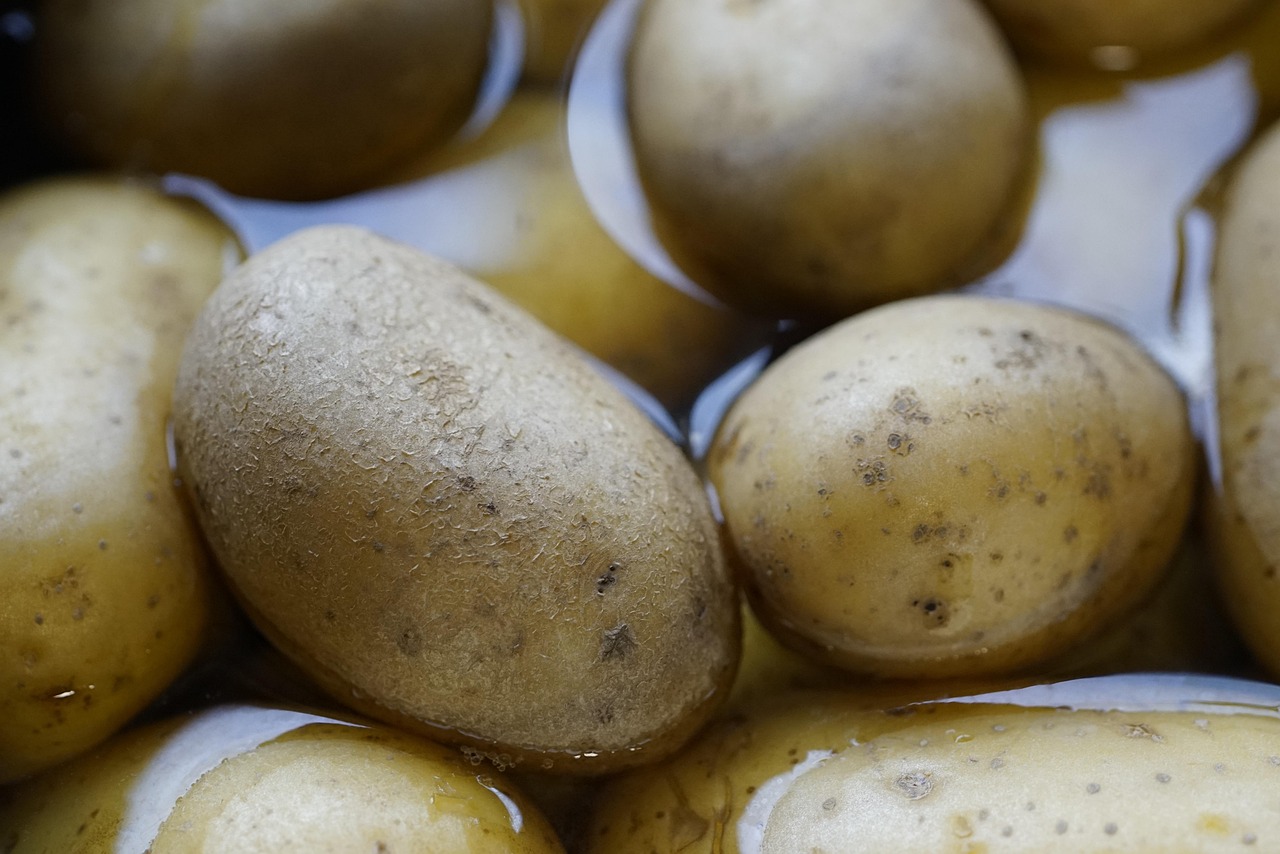
- Potatoes: Mashed, roasted, baked, or fried – potatoes are a beloved classic. Try a cheesy potato gratin or crispy roasted potato wedges.
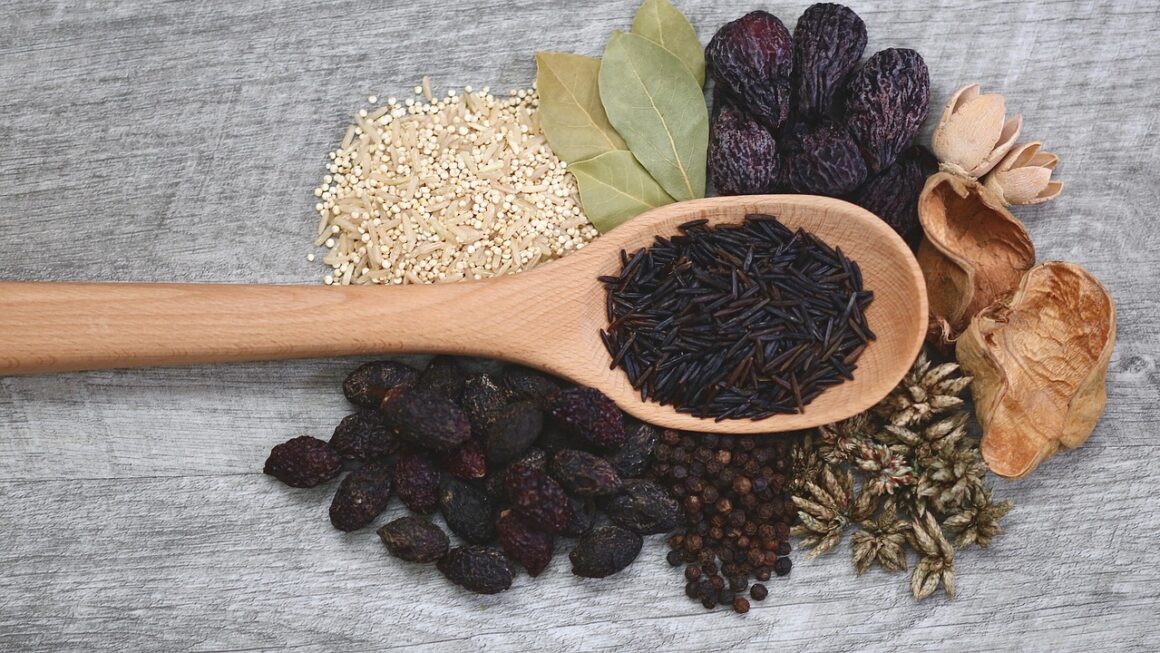
- Grains: Rice (white, brown, wild), quinoa, couscous, or farro. These can be served plain or transformed into pilafs, risottos, or grain bowls with added vegetables and herbs.
- Breads: Garlic bread, cornbread, dinner rolls, or crusty artisanal bread served with good olive oil.
Actionable Takeaway: When serving starch-based sides, consider whole-grain options like brown rice or quinoa to boost fiber and nutrient content.
Legumes and Grains: Hearty and Healthy Options
Combining the best of both worlds, these sides offer substantial protein and fiber, making them incredibly satisfying.
- Lentil Salads: Green or brown lentils tossed with finely diced vegetables, fresh herbs, and a zesty vinaigrette.
- Bean Purees/Dips: White bean puree with rosemary or a black bean dip can serve as a flavorful and protein-rich side.
- Rice and Bean Dishes: A classic pairing across many cultures, providing complete protein and robust flavor.
Smart Strategies for Efficient Side Dish Preparation
Even with busy schedules, it’s possible to create delicious and healthy side dishes with a little planning and smart techniques.
Batch Cooking and Meal Prep: Saving Time and Effort
Thinking ahead can dramatically reduce cooking time during the week.
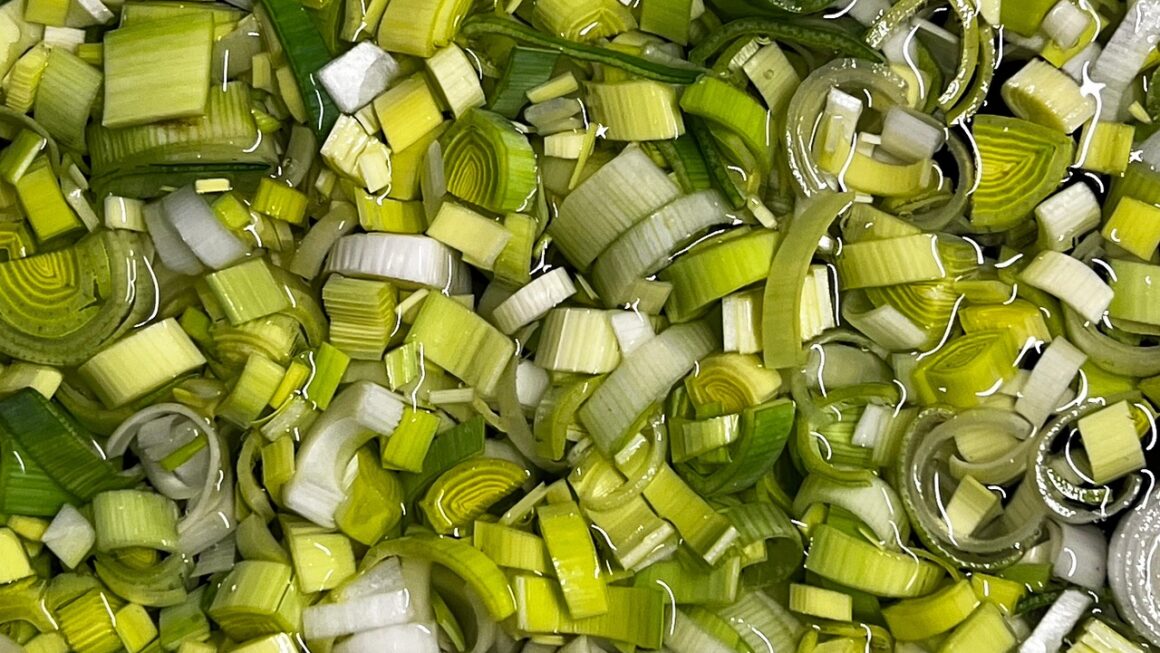
- Chop Veggies in Advance: On a Sunday, chop your harder vegetables (carrots, celery, onions, bell peppers) and store them in airtight containers in the fridge.
- Pre-Cook Grains: Cook a large batch of quinoa or brown rice. It can be reheated or used cold in salads throughout the week.
- Make Dressings and Sauces: Prepare vinaigrettes or other side dish sauces ahead of time.
Practical Example: Roast a large tray of mixed root vegetables (carrots, parsnips, sweet potatoes) on Sunday. Use them as a side for Sunday dinner, add them to salads for lunch, or reheat them as a quick side for weeknight meals.
Simple Techniques, Big Flavor: Elevating Basic Ingredients
You don’t need complicated recipes to create flavorful sides. Basic cooking techniques can bring out the best in simple ingredients.
- Roasting: This method caramelizes natural sugars, deepening flavors and creating a beautiful texture. Almost any vegetable benefits from roasting.
- Sautéing: Quick and perfect for delicate greens or thinly sliced vegetables, preserving their freshness and a slight bite.
- Blanching: Briefly boiling then plunging vegetables into ice water locks in vibrant color and maintains a crisp-tender texture, ideal for green beans or asparagus.
- Seasoning: A little olive oil, salt, freshly ground black pepper, and a few fresh herbs (parsley, thyme, rosemary) can transform almost any vegetable.
Actionable Takeaway: Invest in a few good quality basic seasonings and fresh herbs. They are game-changers for elevating simple side dishes.
Seasonality and Local Sourcing: Fresher, Tastier, Better
Embracing seasonal produce not only supports local farmers but also guarantees the freshest, most flavorful ingredients.
- Peak Flavor: Seasonal vegetables and fruits are at their peak ripeness and flavor, requiring less intervention to taste delicious.
- Nutritional Value: Produce picked in season and locally often has higher nutritional value compared to items shipped long distances.
- Cost-Effective: Seasonal produce tends to be more affordable.
Example: A summer corn salad with fresh tomatoes and basil tastes incomparable to one made with out-of-season ingredients. Similarly, winter calls for hearty roasted root vegetables and squash gratins.
Creative & Global Side Dish Inspiration
Don’t limit yourself to the usual. The world of side dishes is vast and full of exciting flavors waiting to be explored.
Exploring International Flavors
Draw inspiration from global cuisines to add new dimensions to your meals.
- Mediterranean: Think bright tabbouleh salad, creamy hummus, grilled halloumi, or a simple Greek salad.
- Asian: Try kimchi (fermented cabbage), stir-fried bok choy with garlic, sesame noodles, or a vibrant cucumber salad with rice vinegar.
- Mexican/Latin American: Consider esquites (Mexican street corn salad), black bean and corn salsa, or a fresh jicama slaw.
- Indian: Aloo gobi (potato and cauliflower curry), cooling raita, or various dal (lentil) preparations make excellent vegetarian sides.
Reinventing Classics
Give traditional side dishes a modern twist to keep things exciting.
- Spiced Sweet Potato Fries: Toss sweet potato fries with smoked paprika, cumin, and a touch of cayenne.
- Cauliflower Mash: A low-carb alternative to mashed potatoes, infused with garlic and herbs.
- Gourmet Mac and Cheese: Elevate classic macaroni and cheese with artisanal cheeses, roasted vegetables, or a crunchy breadcrumb topping.
- Deconstructed Caprese Salad: Arrange tomatoes, mozzarella, and basil on a platter, drizzled with balsamic glaze.
Actionable Takeaway: Browse international cookbooks or food blogs for new ideas. Even a small change, like adding a new spice blend or a fresh herb, can transform a familiar side dish.
Conclusion
Side dishes are far more than supporting players; they are the unsung heroes that complete our meals, providing crucial balance, flavor, texture, and nutrition. By approaching side dish selection with intention and creativity, you can elevate your everyday dining experiences into memorable culinary journeys. From simple roasted vegetables to exotic international flavors, the possibilities are endless. So next time you’re planning a meal, give your side dishes the attention they deserve – your taste buds, and your health, will thank you for it. What are your favorite side dishes that always steal the show?