The ocean’s bounty offers an incredible world of flavors, textures, and nutritional benefits that can transform any meal into a culinary delight. From the simplest weeknight dinner to an elaborate celebratory feast, seafood recipes are renowned for their versatility, quick cooking times, and health-boosting properties. Whether you’re a seasoned chef or a home cook looking to expand your repertoire, diving into the vast ocean of seafood cuisine promises a journey of delicious discovery. Get ready to explore how you can bring the freshest tastes of the sea right to your kitchen table.
The Allure of the Ocean’s Bounty: Health & Versatility
Seafood isn’t just delicious; it’s a nutritional powerhouse and an incredibly adaptable ingredient that fits seamlessly into countless culinary traditions around the globe.
A Nutritional Powerhouse
- Omega-3 Fatty Acids: Widely celebrated for their benefits, particularly EPA and DHA found abundantly in fatty fish like salmon, mackerel, and sardines. These contribute to heart health, brain function, and reduced inflammation.
- Lean Protein: Most fish and shellfish are excellent sources of high-quality protein, essential for muscle repair and growth, without the saturated fat often found in red meats.
- Vitamins and Minerals: Seafood provides a rich array of vital nutrients including Vitamin D, B12, iodine (crucial for thyroid function), selenium (an antioxidant), and zinc.
Actionable Takeaway: Aim to incorporate seafood into your diet at least twice a week to reap its extensive health benefits, as recommended by leading health organizations.
Culinary Adaptability
From grilling and baking to steaming and frying, seafood adapts to almost any cooking method, making it a favorite for diverse palates and skill levels.
- Quick Cooking: Many seafood types cook in minutes, making them perfect for busy weeknights.
- Flavor Profiles: Ranging from mild (tilapia, cod) to rich and robust (tuna, swordfish), there’s a seafood for every preference.
- Global Appeal: Seafood is central to cuisines worldwide, from Mediterranean grilled fish to Asian stir-fries and Latin American ceviches.
Quick & Easy Seafood Recipes for Every Day
Don’t let the idea of cooking seafood intimidate you. Many of the most delicious seafood recipes are surprisingly simple and fast, making them ideal for everyday meals.
Speedy Salmon Solutions
Salmon is a favorite for its flavor, health benefits, and ease of preparation. It’s one of the best healthy seafood recipes you can make quickly.
- Baked Lemon-Herb Salmon:
- Ingredients: Salmon fillets, lemon slices, fresh dill or parsley, olive oil, salt, pepper.
- Method: Season salmon, top with herbs and lemon. Bake at 400°F (200°C) for 12-15 minutes until flaky. Serve with roasted asparagus.
- Pan-Seared Salmon with Garlic Butter: Achieve crispy skin and a tender interior in under 10 minutes.
Actionable Takeaway: Always pat salmon dry before cooking to ensure a beautiful crispy skin, especially when pan-searing.
Shrimp in a Snap
Shrimp cooks incredibly fast, making it a fantastic protein for last-minute meals.
- Garlic Butter Shrimp Scampi:
- Ingredients: Shrimp, garlic, butter, white wine or chicken broth, lemon juice, parsley, red pepper flakes (optional), pasta or crusty bread.
- Method: Sauté garlic in butter, add shrimp and cook until pink (2-3 minutes). Deglaze with wine/broth, stir in lemon juice and parsley. Serve over linguine.
- Spicy Shrimp Tacos: Quick sautéed shrimp with your favorite taco fixings.
Flaky Cod and Tilapia Delights
Mild white fish like cod and tilapia are perfect canvases for a variety of flavors.
- Baked Lemon-Dill Cod: Similar to salmon, season and bake until flaky. It’s one of the simplest fish recipes for beginners.
- Pan-Fried Tilapia with Mango Salsa: The mild fish pairs beautifully with a fresh, vibrant mango and avocado salsa.
Diving Deeper: Mastering Specific Seafood Types
Understanding the unique characteristics of different seafood allows you to unlock their full flavor potential and prepare them perfectly every time.
Fin Fish Favorites
From flaky to meaty, fin fish offer a spectrum of textures and tastes.
- Salmon: Rich, fatty, and versatile. Great for grilling, baking, pan-searing, and even smoking. Tip: Aim for an internal temperature of 145°F (63°C) for perfectly cooked salmon.
- Cod & Haddock: Lean, white, and flaky. Excellent for fish and chips, baking, or light stews. Absorbs flavors well.
- Tuna & Swordfish: Meaty, steak-like fish perfect for grilling or searing. Often served rare or medium-rare to maintain tenderness.
- Snapper & Branzino: Best whole, roasted or grilled, allowing the skin to crisp and the delicate flesh to steam gently.
Actionable Takeaway: Match the cooking method to the fish type – delicate fish prefer gentle cooking, while firm fish can handle higher heat.
Shellfish Sensations
Shellfish cooks very quickly and offers distinct sweet and savory notes.
- Shrimp & Prawns: Cook until just pink and opaque. Overcooking makes them rubbery. Perfect for stir-fries, pasta, or grilling.
- Scallops: Sear quickly for a beautiful crust and tender, sweet interior. Avoid overcrowding the pan.
- Mussels & Clams: Best steamed with aromatics (garlic, wine, herbs) until their shells open. Discard any that don’t open.
- Lobster & Crab: Considered gourmet, often boiled, steamed, or grilled. Their sweet meat is highly prized.
Gourmet & Global Seafood Adventures
Embark on a culinary journey with international gourmet seafood recipes that bring exotic flavors to your table.
Mediterranean Delights
Characterized by fresh ingredients, olive oil, and vibrant herbs.
- Grilled Whole Branzino with Herbs: A classic Mediterranean preparation. Stuff the fish cavity with lemon slices, garlic, and fresh rosemary or thyme, then grill until perfectly tender.
- Seafood Paella (Spanish): A show-stopping rice dish brimming with saffron, mussels, shrimp, clams, and often chorizo or chicken. A perfect celebratory meal.
Actionable Takeaway: Invest in high-quality olive oil and fresh herbs to truly capture the essence of Mediterranean seafood.
Asian-Inspired Creations
Bold flavors, aromatic spices, and delicate preparations.
- Thai Green Curry with Prawns: A fragrant and spicy coconut milk-based curry with plump prawns, bamboo shoots, and basil.
- Japanese Miso-Glazed Cod: Black cod (sablefish) marinated in a sweet and savory miso glaze, then broiled until caramelized and flaky. A truly elegant dish.
- Sushi & Sashimi: While requiring specific skills and ultra-fresh, sushi-grade fish, exploring these raw preparations showcases seafood in its purest form.
Top Tips for Sourcing, Prepping, and Perfecting Your Seafood
Achieving outstanding results with seafood starts long before you turn on the stove. Here’s how to set yourself up for success.
Smart Sourcing: Freshness & Sustainability
- Check for Freshness:
- Smell: Fresh seafood should smell like a clean ocean breeze, not overtly “fishy.”
- Appearance: For whole fish, look for clear, bright eyes and shiny, iridescent skin. Fillets should be firm and moist, not slimy or dry.
- Texture: Press gently on the flesh; it should spring back.
- Prioritize Sustainability: Consult resources like the Monterey Bay Aquarium Seafood Watch guide or look for certifications (e.g., MSC – Marine Stewardship Council) to make environmentally responsible choices.
- Fresh vs. Frozen: Don’t shy away from frozen seafood! Often, fish is flash-frozen at sea, preserving its peak freshness and quality, sometimes even surpassing that of “fresh” fish that has traveled a long distance.
Essential Prep Techniques
- Cleaning Shrimp: Most shrimp are sold pre-peeled and deveined, but if not, removing the shell and the dark vein (digestive tract) improves taste and texture.
- Scaling Fish: If cooking whole fish, scaling is essential. Use a fish scaler or the back of a knife, working against the direction of the scales.
- Marinating: Short marinades (15-30 minutes) with acidic ingredients like lemon juice or vinegar can tenderize and flavor fish, but be careful not to “cook” delicate fish in acid for too long (like ceviche).
Actionable Takeaway: Always buy seafood from a reputable supplier you trust, whether it’s a local fishmonger or a well-regarded grocery store.
Mastering Cooking Methods & Avoiding Overcooking
The cardinal rule of cooking seafood is simple: do not overcook it! Seafood becomes dry, tough, and less flavorful when overcooked.
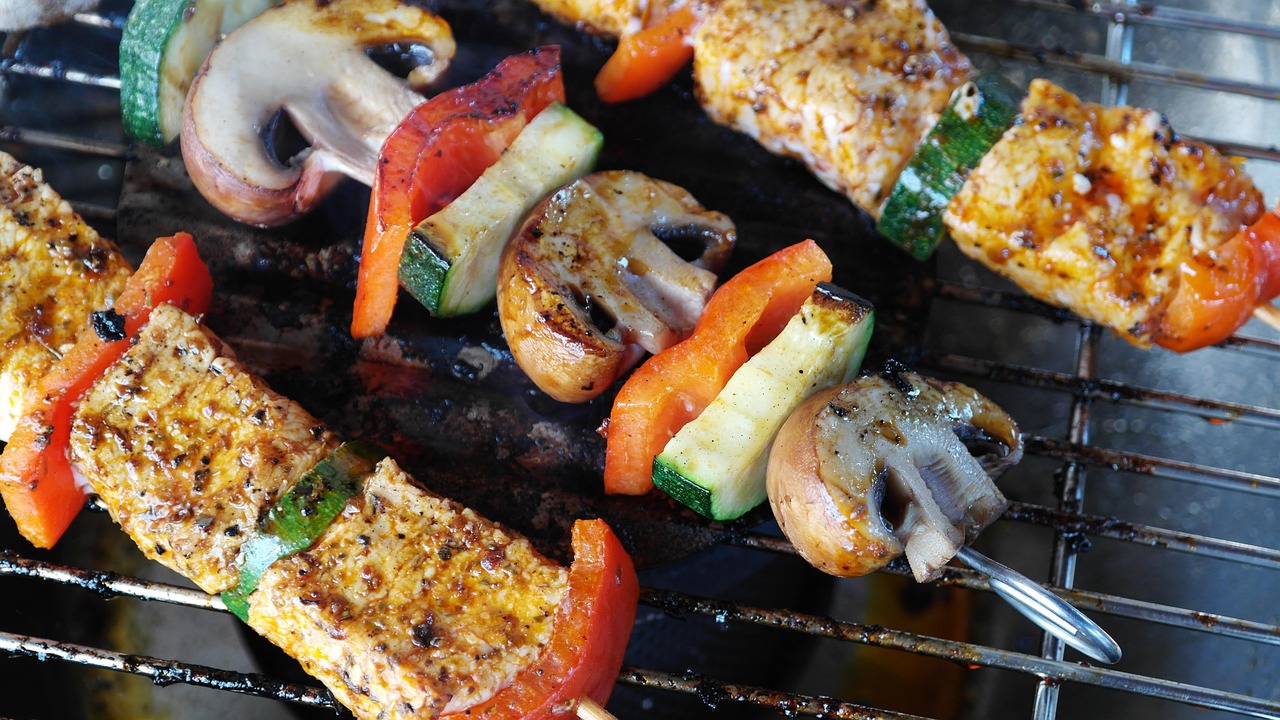
- Grilling: Best for firm fish (salmon, tuna, swordfish) and large shrimp. Use medium-high heat and oil the grates well to prevent sticking.
- Baking/Roasting: A gentle method for fillets or whole fish. Tends to keep fish moist.
- Pan-Searing: Ideal for creating a crispy skin on fish like salmon or a beautiful sear on scallops. Use high heat and a little oil.
- Steaming/Poaching: Excellent for delicate fish and shellfish, preserving their natural flavors and moisture without added fats.
- Visual Cues: Fish is typically done when it flakes easily with a fork and is opaque throughout. Shrimp turn pink and curl into a C-shape. Scallops become opaque.
Conclusion
From its remarkable health benefits to its incredible versatility, seafood offers a world of culinary possibilities waiting to be explored. Whether you’re seeking a quick and easy weeknight meal, a sophisticated dish for entertaining, or an adventure into global flavors, there’s a seafood recipe perfectly suited for you. By choosing fresh, sustainable ingredients and applying a few simple cooking principles, you can confidently create delicious, nutritious, and memorable meals that will delight your palate and impress your guests. So, embrace the bounty of the ocean and let your culinary creativity swim free!