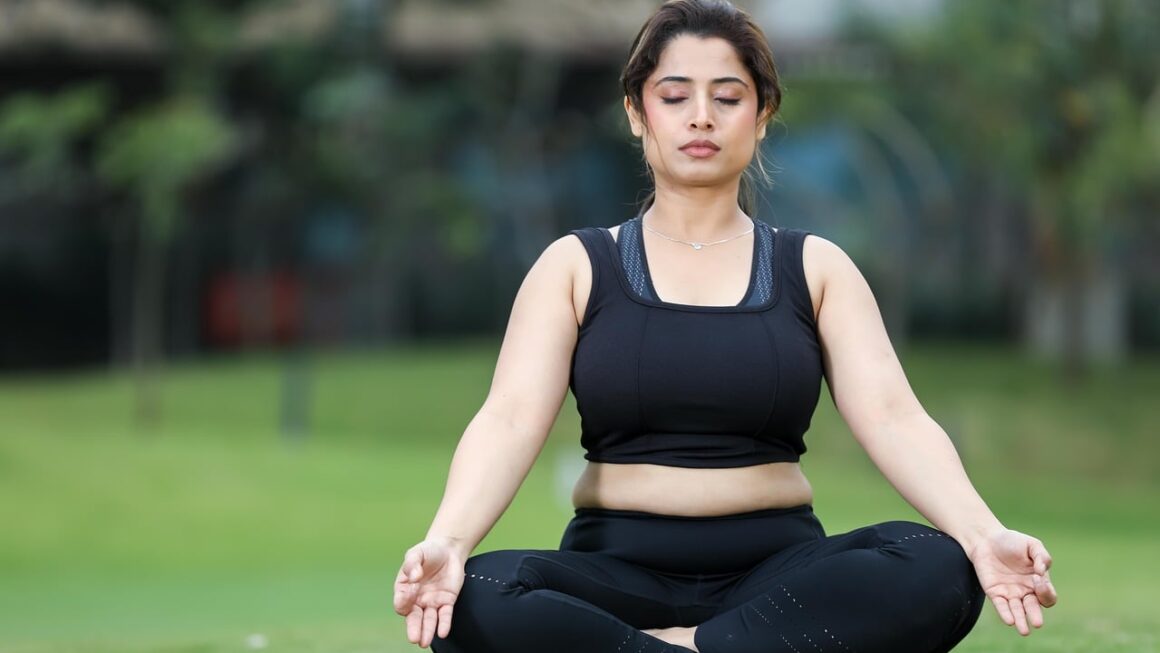
The gentle stretch of a sun salutation, the mindful breath in warrior pose – for many, yoga is a beloved practice on the mat. But what if yoga could be more than just an hour of exercise? What if its profound wisdom could permeate every aspect of your existence, guiding your choices, interactions, and overall well-being? This is the essence of embracing a yoga lifestyle – a holistic approach to living that extends far beyond the studio, fostering peace, health, and purpose in a chaotic world. It’s about cultivating harmony between mind, body, and spirit, transforming daily routines into opportunities for growth and connection.
Beyond the Mat: Defining the Yoga Lifestyle
Often, when people hear “yoga,” they immediately picture physical postures. While asanas (postures) are a vital component, the yoga lifestyle is a much broader, richer tapestry woven from ancient philosophies and modern applications. It’s a commitment to living consciously, making choices that support your highest self and the world around you.
What is a Yoga Lifestyle?
A yoga lifestyle is a deliberate choice to integrate the principles and practices of yoga into every facet of daily living. It’s not about being a full-time yogi in an ashram, but about finding balance and intention amidst modern demands. It encompasses:
- Mindful Movement: Regular physical practice that brings strength, flexibility, and awareness.
- Nourishing Nutrition: Eating consciously, often leaning towards plant-based or Sattvic (pure, essential, clean) foods.
- Mental Clarity: Practicing meditation, mindfulness, and techniques to manage stress and cultivate inner peace.
- Ethical Living: Applying yoga’s moral guidelines (Yamas and Niyamas) to interactions, consumption, and environmental impact.
- Spiritual Connection: Fostering a deeper understanding of self and purpose, often through self-reflection and connection to something greater.
Practical Example: Instead of mindlessly scrolling through your phone during breakfast, a yoga lifestyle encourages you to savor your meal, noticing its textures and flavors, and appreciating the nourishment it provides.
Core Principles: Yamas and Niyamas
The foundational ethical guidelines for a yoga lifestyle come from Patanjali’s Yoga Sutras, specifically the Yamas (external observances) and Niyamas (internal observances). These aren’t rigid rules, but rather suggestions for living a more fulfilling and harmonious life.
- Yamas (Abstinences):
- Ahimsa (Non-violence): Extending kindness to all beings, including yourself.
- Satya (Truthfulness): Speaking and living your truth with compassion.
- Asteya (Non-stealing): Not taking what is not freely given, including time or ideas.
- Brahmacharya (Moderation/Right Use of Energy): Directing your energy wisely towards meaningful pursuits.
- Aparigraha (Non-possessiveness): Releasing attachment to material things and outcomes.
- Niyamas (Observances):
- Saucha (Purity): Cleanliness of body, mind, and environment.
- Santosha (Contentment): Finding joy in what you have, rather than constantly seeking more.
- Tapas (Discipline/Austerity): Committing to practices that lead to self-transformation.
- Svadhyaya (Self-study): Introspection, reading inspiring texts, understanding your inner workings.
- Ishvara Pranidhana (Surrender to a Higher Power): Trusting in a larger universal plan.
Actionable Takeaway: Choose one Yama or Niyama that resonates with you today (e.g., Ahimsa) and observe how you can consciously integrate it into your interactions and thoughts throughout the day. This mindful practice is a powerful step towards a deeper yoga lifestyle.
Physical Wellness: Strengthening Body and Mind
A core pillar of the yoga lifestyle is nurturing the physical body, recognizing it as the vehicle for our experiences. This goes beyond strenuous workouts, focusing instead on mindful movement, nutrition, and rest.
Regular Yoga Practice (Asanas)
Consistent yoga practice builds not just physical strength and flexibility, but also body awareness, balance, and improved circulation. Even 15-30 minutes daily can yield significant benefits.
- Improved Flexibility and Mobility: Enhances range of motion and reduces stiffness.
- Increased Strength and Endurance: Builds lean muscle through bodyweight exercises.
- Better Posture: Aligns the spine and strengthens core muscles, often alleviating back pain.
- Enhanced Balance and Coordination: Reduces risk of falls and improves proprioception.
- Stress Reduction: The meditative aspect of linking breath and movement calms the nervous system.
Practical Example: Instead of pushing through pain, a yoga lifestyle encourages listening to your body’s signals, modifying poses, and practicing self-compassion, leading to a more sustainable and injury-free practice.
Nourishing Your Body (Mindful Eating)
Mindful eating is a cornerstone of the yoga lifestyle, emphasizing what you eat, how you eat it, and why. It’s often influenced by Ayurvedic principles, which promote eating for your individual dosha (body type) and favoring fresh, whole, natural foods.
- Choose Whole Foods: Prioritize fruits, vegetables, whole grains, and lean proteins.
- Eat Seasonally and Locally: Connect with nature’s rhythm and support local communities.
- Practice Mindful Consumption: Eat slowly, chew thoroughly, and pay attention to your body’s hunger and fullness cues.
- Hydrate Adequately: Drink plenty of water throughout the day.
- Consider Ayurvedic Principles: Explore how different foods impact your energy levels and digestion based on your constitution. For example, a “Vata” dominant person might benefit from warm, grounding foods.
Statistic: A 2018 study published in the Journal of Eating Disorders found that mindful eating interventions significantly reduced binge eating and improved emotional regulation around food.
Rest and Rejuvenation
In our fast-paced world, adequate rest is often overlooked but is crucial for physical and mental restoration. A yoga lifestyle values sleep as a sacred practice.
- Prioritize 7-9 Hours of Quality Sleep: Establish a consistent sleep schedule.
- Create a Relaxing Bedtime Routine: Avoid screens, read a book, take a warm bath, or practice gentle stretching.
- Incorporate Restorative Practices: Engage in Yoga Nidra (yogic sleep), savasana (corpse pose), or simply quiet contemplation.
Actionable Takeaway: Dedicate 10-15 minutes each evening to a calming pre-sleep ritual, such as gentle stretches or reading, to improve sleep quality and support your overall holistic well-being.
Mental Clarity and Emotional Balance
The yoga lifestyle places immense importance on cultivating a calm, focused mind and healthy emotional responses. It equips individuals with tools to navigate life’s challenges with grace and resilience.
The Power of Mindfulness and Meditation
These practices are not just for the mat; they are skills to be integrated into daily life, offering profound benefits for mental well-being.
- Enhanced Focus and Concentration: Training the mind to stay present.
- Reduced Rumination: Less time spent dwelling on negative thoughts.
- Increased Self-Awareness: Understanding your thoughts and emotions without judgment.
- Improved Cognitive Function: Studies suggest meditation can improve memory and attention span.
Practical Example: When faced with a challenging conversation, instead of reacting impulsively, a yoga lifestyle encourages taking a deep breath, observing your emotions, and responding thoughtfully rather than reacting defensively. This is an application of “pratyahara” – withdrawal of the senses.
Stress Reduction Techniques
Yoga offers a powerful arsenal against the pervasive stress of modern life. These techniques provide immediate relief and long-term resilience.
- Pranayama (Breathwork): Specific breathing exercises like Nadi Shodhana (alternate nostril breathing) or Ujjayi (ocean breath) calm the nervous system.
- Mindful Movement Breaks: Even a few minutes of conscious stretching or walking can release tension.
- Journaling: A powerful tool for processing emotions and gaining perspective.
- Yoga Nidra: A guided relaxation practice that promotes deep rest and stress release.
Statistic: According to the American Psychological Association, 75% of adults report experiencing moderate to high levels of stress, making stress reduction a critical component of healthy living. Yoga and meditation are proven methods to combat this.
Cultivating a Positive Mindset
A yoga lifestyle actively fosters optimism, gratitude, and compassion, transforming your internal landscape.
- Gratitude Practice: Regularly acknowledging what you are thankful for shifts perspective.
- Positive Affirmations: Using empowering statements to reshape self-talk.
- Self-Compassion: Treating yourself with the same kindness and understanding you would offer a friend.
Actionable Takeaway: Start a daily gratitude journal, listing three things you are thankful for each morning. This simple practice significantly boosts mood and cultivates a positive mindset, which is key for emotional balance.
Embracing Ethical Living and Connection
The yoga lifestyle extends beyond personal well-being to encompass our relationship with others and the planet. It calls for conscious choices that reflect compassion, sustainability, and community spirit.
Conscious Consumerism and Sustainability
Applying Yamas like Asteya (non-stealing) and Aparigraha (non-possessiveness) to our consumption habits encourages a more sustainable and ethical approach to living.
- Mindful Shopping: Ask yourself if you truly need an item, or if it’s an impulsive desire.
- Support Ethical Brands: Choose companies that prioritize fair labor, environmental protection, and sustainable practices.
- Reduce, Reuse, Recycle: Minimize waste, opt for reusable products, and properly dispose of materials.
- Eat Locally and Seasonally: Reduces carbon footprint and supports local economies.
Practical Example: Instead of buying fast fashion, a yoga lifestyle might inspire you to invest in high-quality, sustainably made garments, or explore second-hand options, reducing your environmental impact.
Building Compassionate Relationships (Ahimsa)
Ahimsa, non-violence, is the first and most fundamental Yama, guiding us to interact with others from a place of love and understanding, not judgment or aggression.
- Active Listening: Truly hear and understand others without interrupting or formulating your response.
- Empathetic Communication: Try to see situations from another’s perspective.
- Forgiveness: Both for others and, crucially, for yourself.
- Setting Healthy Boundaries: Protecting your energy while still being compassionate.
Statistic: Studies show that strong social connections can increase longevity by 50%, highlighting the importance of nurturing compassionate relationships for overall well-being.
Community and Seva (Service)
A yoga lifestyle often encourages participation in community and selfless service, recognizing our interconnectedness.
- Join a Yoga Community: Connect with like-minded individuals for support and shared growth.
- Volunteer Your Time: Offer your skills and energy to causes you care about.
- Practice Random Acts of Kindness: Small gestures can have a ripple effect.
Actionable Takeaway: Seek out opportunities to volunteer for a cause you believe in, even for a few hours a month. This act of “Seva” fosters connection, reduces self-focus, and is a powerful expression of the yoga lifestyle.
Integrating Yoga Philosophy into Daily Life
Beyond the physical and ethical practices, the yoga lifestyle invites a deeper exploration of self and purpose through its rich philosophical framework. This intellectual and spiritual integration provides profound meaning.
Yama & Niyama in Modern Context
Applying these ancient principles to our contemporary lives offers profound insights and guidance.
- Satya (Truthfulness): In the age of misinformation, practicing Satya means seeking truth, speaking authentically, and being true to oneself, while always tempered by Ahimsa.
- Aparigraha (Non-possessiveness): This isn’t just about decluttering your home, but also your mind – letting go of expectations, past hurts, and the need to control outcomes.
- Brahmacharya (Moderation): In a world of overstimulation, this means mindfully consuming media, food, and even social interactions, conserving energy for what truly matters.
Practical Example: When you feel the urge to multitask and spread your energy thin, remember Brahmacharya. Choose one task, focus on it fully, and apply your energy effectively, rather than diluting it across many uncompleted endeavors.
Svādhyāya (Self-study) and Personal Growth
The practice of self-study encourages introspection, reflection, and learning, leading to profound personal growth and understanding of your true nature.
- Journaling: Regularly reflecting on your experiences, thoughts, and emotions.
- Reading Sacred Texts: Engaging with ancient yoga philosophies or inspiring spiritual literature.
- Observing Your Patterns: Noticing recurring thoughts, reactions, and behaviors without judgment.
- Seeking Mentorship: Learning from experienced teachers or guides.
Statistic: A study published in Advances in Psychiatric Treatment found that self-reflection practices can enhance emotional regulation and problem-solving skills, contributing to better mental health.
Ishvara Pranidhana (Surrender) and Trust
This Niyama is about letting go of the need to control every outcome and trusting in a larger universal intelligence or purpose. It cultivates humility and peace.
- Acceptance: Acknowledging what is, even if it’s not what you desired.
- Letting Go: Releasing attachment to specific results and embracing the journey.
- Cultivating Faith: Developing trust in the process of life and your own inner wisdom.
Actionable Takeaway: The next time you feel anxious about an outcome, practice Ishvara Pranidhana. Take a few deep breaths, acknowledge what is beyond your control, and consciously release the need to orchestrate the perfect result. Trust that things will unfold as they should, allowing for greater inner peace and a more profound spiritual journey.
Conclusion
Embracing a yoga lifestyle is an enriching and transformative journey that goes far beyond the physical postures. It’s an invitation to live with greater awareness, intention, and compassion, integrating ancient wisdom into the fabric of your modern life. From mindful eating and regular practice to ethical choices and profound self-study, each step taken off the mat contributes to a more balanced, joyful, and purposeful existence. By cultivating physical wellness, mental clarity, emotional balance, and a deep connection to the world around you, you unlock the immense potential for holistic well-being. Start small, be consistent, and observe the incredible shifts that unfold as you commit to living your yoga every single day. The path to a healthier, happier you begins now.