In our fast-paced, always-on world, the concept of relaxation often feels like a luxury rather than a necessity. Yet, the persistent hum of daily demands, digital notifications, and endless to-do lists can take a significant toll on our mental and physical well-being. Far from being an indulgence, purposeful relaxation is a vital component of a healthy, balanced life, offering a powerful antidote to chronic stress. This comprehensive guide will explore the profound benefits of incorporating relaxation into your daily routine and provide actionable strategies to help you find your personal oasis of calm, enhancing your overall quality of life.
Understanding the Science of Relaxation
The Body’s Stress Response vs. Relaxation Response
Our bodies are wired with an ancient survival mechanism: the “fight-or-flight” response. Triggered by perceived threats (whether a saber-toothed tiger or a looming deadline), this response floods our system with hormones like cortisol and adrenaline, leading to increased heart rate, blood pressure, and muscle tension. While essential in true emergencies, chronic activation of this system due to ongoing stress can be detrimental to our health.
Fortunately, we also possess the “rest-and-digest” or relaxation response, governed by the parasympathetic nervous system. Activating this response counters the effects of stress, signaling the body to calm down, repair, and restore balance. Understanding this fundamental mechanism highlights why dedicated relaxation is not just a pleasant activity, but a biological imperative.
Profound Benefits of Regular Relaxation
Consistently engaging in relaxation techniques offers a cascade of benefits that impact every aspect of your health:
- Reduced Stress and Anxiety: Directly lowers cortisol levels, alleviating feelings of overwhelm and worry.
- Improved Physical Health: Contributes to lower blood pressure, enhanced immune function, and better digestion.
- Enhanced Mental Clarity and Focus: A calmer mind is a more focused mind, leading to better decision-making and productivity.
- Better Sleep Quality: By settling the nervous system, relaxation sets the stage for more restful and restorative sleep.
- Increased Energy Levels: When the body isn’t constantly fighting stress, energy is freed up for daily activities.
- Greater Emotional Resilience: Helps you cope more effectively with life’s challenges and bounce back from setbacks.
Actionable Takeaway: Pay attention to your body’s signals. When you feel tense, restless, or irritable, recognize these as cues that your body is in stress mode and needs intentional relaxation to restore balance.
Effective Relaxation Techniques for Daily Life
Finding your preferred relaxation method is key to making it a sustainable practice. Here are some of the most accessible and powerful techniques you can integrate into your day:
Mindfulness and Meditation
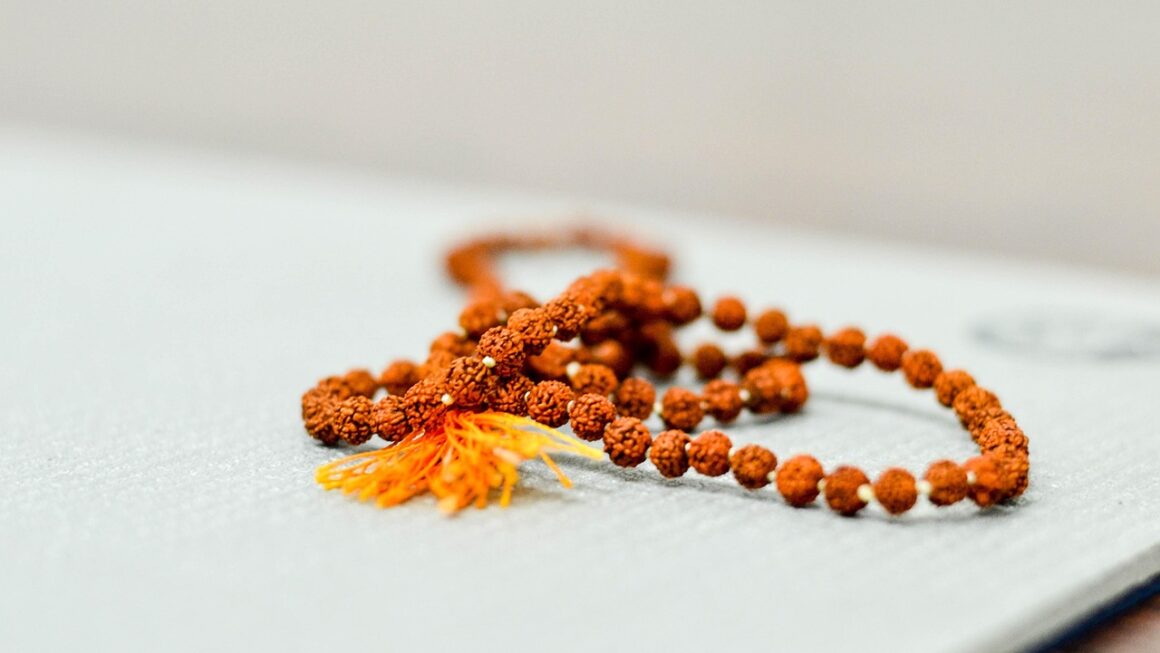
Mindfulness is the practice of being fully present and aware of the moment without judgment. Meditation is a formal way to cultivate mindfulness. Even a few minutes a day can make a significant difference in your ability to manage stress and cultivate inner peace.
- Practical Example: The 5-Minute Mindful Breath
Sit comfortably. Close your eyes or soften your gaze. Bring your attention to your breath as it enters and leaves your body. Notice the sensation of air, the rise and fall of your abdomen. When your mind wanders (and it will), gently guide it back to your breath without judgment. Start with 5 minutes and gradually increase.
- Benefits: Reduces rumination, improves emotional regulation, increases self-awareness.
Deep Breathing Exercises
Often overlooked, the way we breathe profoundly impacts our nervous system. Shallow, chest breathing can perpetuate stress, while deep, diaphragmatic breathing activates the relaxation response.
- Practical Example: Box Breathing (4-4-4-4)
Inhale slowly through your nose for a count of four. Hold your breath for a count of four. Exhale slowly through your mouth for a count of four. Hold your breath again for a count of four. Repeat this cycle 3-5 times. This technique is often used by military personnel for calming in high-stress situations.
- Benefits: Immediate calming effect, lowers heart rate, improves oxygen delivery.
Progressive Muscle Relaxation (PMR)
PMR involves tensing and then consciously relaxing different muscle groups throughout the body. This helps you become more aware of physical tension and how to release it.
- Practical Example: Head-to-Toe Release
Lie down or sit comfortably. Start with your feet: tense them tightly for 5 seconds, then completely relax for 15-20 seconds, noticing the difference. Move up your body – calves, thighs, glutes, abdomen, arms, hands, shoulders, neck, face – tensing and relaxing each group in turn. Focus on the sensation of letting go.
- Benefits: Reduces physical tension, improves body awareness, aids in falling asleep.
Actionable Takeaway: Choose one technique from above that resonates with you and commit to practicing it for just 5-10 minutes each day for the next week. Observe how you feel before and after.
Creating Your Sanctuary: Environment and Lifestyle
Your environment and daily habits play a crucial role in cultivating a sense of calm and promoting consistent self-care. By consciously shaping these elements, you can create a personal sanctuary that supports continuous mental well-being.
Optimizing Your Physical Space
The spaces we inhabit profoundly influence our mood and stress levels. A cluttered, chaotic environment can lead to a cluttered, chaotic mind.
- Declutter and Organize: Regularly clear out unnecessary items. A tidy space reduces visual noise and creates a sense of order.
- Incorporate Nature: Add houseplants (e.g., snake plant, peace lily) to purify the air and bring a calming aesthetic.
- Control Light and Sound: Use natural light where possible. Employ dimmable lights in the evenings. Reduce noise with soft furnishings, closed doors, or gentle background music.
- Aromatherapy: Diffuse essential oils like lavender (calming), chamomile, or frankincense to promote relaxation.
Practical Example: Dedicate 15 minutes each day to tidying one small area, like your desk or a kitchen counter. Notice how a clean surface positively impacts your mood.
The Power of Nature and Green Spaces
Spending time in nature has scientifically proven benefits for stress reduction and overall well-being.
- “Forest Bathing” (Shinrin-yoku): Immerse yourself in a natural environment. Simply being present, listening to birds, feeling the breeze, and smelling the earth can significantly lower stress hormones.
- Gardening: Engaging with plants and soil can be incredibly meditative and grounding.
- Outdoor Exercise: Combine the benefits of physical activity with fresh air and natural scenery.
Lifestyle Habits for Sustained Calm
Beyond specific techniques, foundational lifestyle choices underpin our capacity for deep relaxation.
- Prioritize Sleep: Aim for 7-9 hours of quality sleep per night. Establish a consistent bedtime routine.
- Nourish Your Body: A balanced diet rich in whole foods, fruits, vegetables, and lean proteins supports brain health and stable energy levels, reducing anxiety-inducing sugar crashes.
- Regular Physical Activity: Exercise is a powerful stress reliever. Even moderate activity releases endorphins and helps process stress hormones.
- Limit Caffeine and Alcohol: While tempting, these can disrupt sleep and exacerbate anxiety.
Actionable Takeaway: Identify one area—your physical space, time in nature, or a lifestyle habit—where you can make a small, positive change this week to foster a more relaxing environment. For example, commit to a 20-minute walk in a park.
Beyond Basics: Advanced Strategies for Deep Relaxation
Once you’ve mastered daily techniques, consider exploring methods that offer deeper immersion and potentially more profound therapeutic effects for sustained stress relief and holistic health.
Yoga and Tai Chi
These ancient practices combine physical postures, breathing techniques, and meditation, offering a powerful pathway to both physical flexibility and mental serenity.
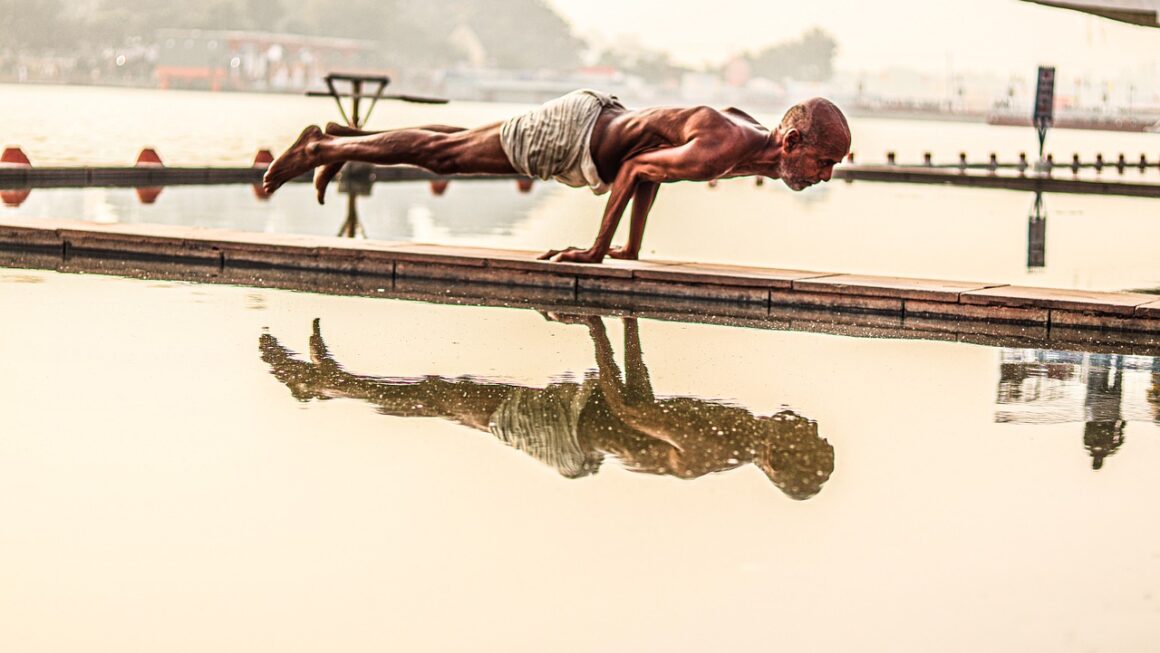
- Yoga: Styles like Hatha, Restorative, or Yin Yoga are particularly beneficial for relaxation, focusing on gentle stretches, long holds, and mindful breathing. Restorative yoga, for example, uses props to support the body in comfortable positions, allowing for deep release.
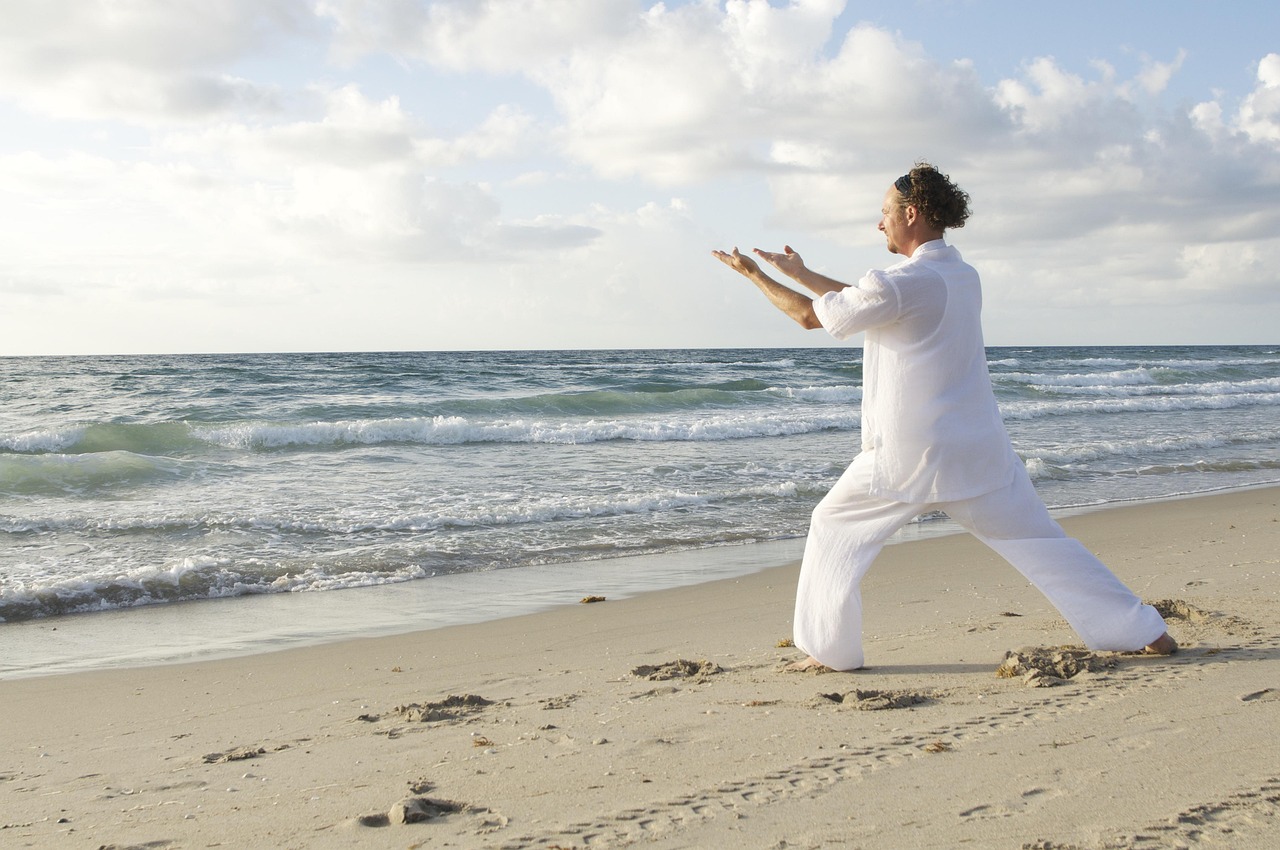
- Tai Chi: Often described as “meditation in motion,” Tai Chi involves slow, flowing movements that promote balance, flexibility, and a calm, focused mind. It’s particularly accessible for all ages and fitness levels.
Practical Example: Look for introductory online classes or local studios offering beginner yoga or Tai Chi sessions. Many apps also offer guided practices.
Sound Therapy and Music for Relaxation
Sound has a profound effect on our brainwaves and nervous system. Specific frequencies and melodies can induce states of deep relaxation.
- Sound Baths: Experience immersion in resonant sounds produced by instruments like singing bowls, gongs, and chimes. These vibrations can help shift brainwaves from active beta to relaxed alpha or even deep theta states.
- Binaural Beats: Listening to specific frequencies (via headphones) can encourage your brainwaves to synchronize with the beat, promoting relaxation or focus.
- Nature Sounds/Calming Music: Ambient nature sounds (rain, ocean waves) or classical music designed for relaxation can create a serene auditory environment.
Practical Example: Explore YouTube for “sound bath for relaxation” or “binaural beats for sleep.” Curate a playlist of instrumental music that calms your mind.
Massage Therapy and Self-Massage
Physical touch and targeted pressure can release muscle tension, improve circulation, and trigger the release of endorphins, our body’s natural feel-good chemicals.
- Professional Massage: A full-body massage (e.g., Swedish, deep tissue) can provide significant tension relief and promote overall relaxation.
- Self-Massage: Use a tennis ball or foam roller for trigger points in your back or shoulders. Gently massage your temples, neck, and hands. A simple hand massage before bed can work wonders.
Actionable Takeaway: Consider trying one new “deeper” relaxation method this month. Perhaps sign up for a beginner yoga class or experiment with sound therapy during your next downtime.
Integrating Relaxation into a Busy Schedule
The most common excuse for not prioritizing relaxation is “I don’t have time.” However, even the busiest schedules can accommodate moments of calm. It’s about strategic integration and shifting your mindset from reactive to proactive stress management.
Micro-Breaks: Short Bursts of Calm
You don’t need an hour-long meditation session to de-stress. Short, intentional breaks throughout your day can be incredibly effective.
- The 3-Minute Breath Break: Set a timer. Close your eyes. Focus purely on your breath. Notice the sensations in your body. When the timer goes off, you’ll feel refreshed.
- Mindful Walking: If you need to move from one place to another, do it mindfully. Pay attention to your steps, the feeling of your feet on the ground, and your surroundings.
- Sensory Check-in: Take 60 seconds to notice 5 things you can see, 4 things you can hear, 3 things you can feel, 2 things you can smell, and 1 thing you can taste. This grounds you in the present.
Practical Example: Schedule a 5-minute “relaxation reminder” on your phone for mid-morning and mid-afternoon. Use it for a quick breathing exercise or a mindful stretch.
Scheduling “Me-Time” and Setting Boundaries
Treat your relaxation time with the same importance as any other appointment. It’s non-negotiable.
- Block Your Calendar: Explicitly schedule time for relaxation activities. Whether it’s 20 minutes for a hobby, a bath, or reading, put it in your calendar and honor it.
- Learn to Say “No”: Overcommitment is a major source of stress. Politely decline requests that don’t align with your priorities or will stretch you too thin.
- Digital Detox Moments: Set specific times or places where screens are off-limits (e.g., an hour before bed, during meals). This reduces cognitive overload.
Practical Example: Before the start of your week, look at your schedule and block out at least two 30-minute slots specifically for personal relaxation or a non-work hobby. Consider making your evenings after 8 PM screen-free.
Prioritizing and Delegating
Often, the feeling of being overwhelmed stems from a perception that everything is equally urgent and important. Learning to prioritize and delegate can significantly reduce your mental load.
- The Eisenhower Matrix: Categorize tasks into ‘Urgent/Important,’ ‘Important/Not Urgent,’ ‘Urgent/Not Important,’ and ‘Not Urgent/Not Important.’ Focus on ‘Important/Not Urgent’ tasks to prevent them from becoming ‘Urgent,’ and delegate or eliminate others.
- Ask for Help: Don’t be afraid to delegate tasks at work or ask family members for assistance with household chores. Sharing the load frees up mental and physical energy.
Actionable Takeaway: Review your daily routine and identify two moments (even 2-5 minutes each) where you can intentionally insert a relaxation technique or boundary. Schedule it now.
Conclusion
In a world that often celebrates busyness, making space for relaxation is not a sign of weakness but a profound act of self-care and a strategic investment in your overall well-being. From understanding its scientific basis to integrating powerful relaxation techniques and optimizing your environment, the path to a calmer, more balanced life is within reach.
Remember, relaxation isn’t about doing nothing; it’s about actively disengaging from stress and engaging in practices that restore your mind, body, and spirit. By consistently prioritizing these moments of peace, you unlock enhanced physical health, improved mental clarity, and a deeper sense of inner peace. Start small, be consistent, and observe the transformative power of purposeful relaxation in your life.