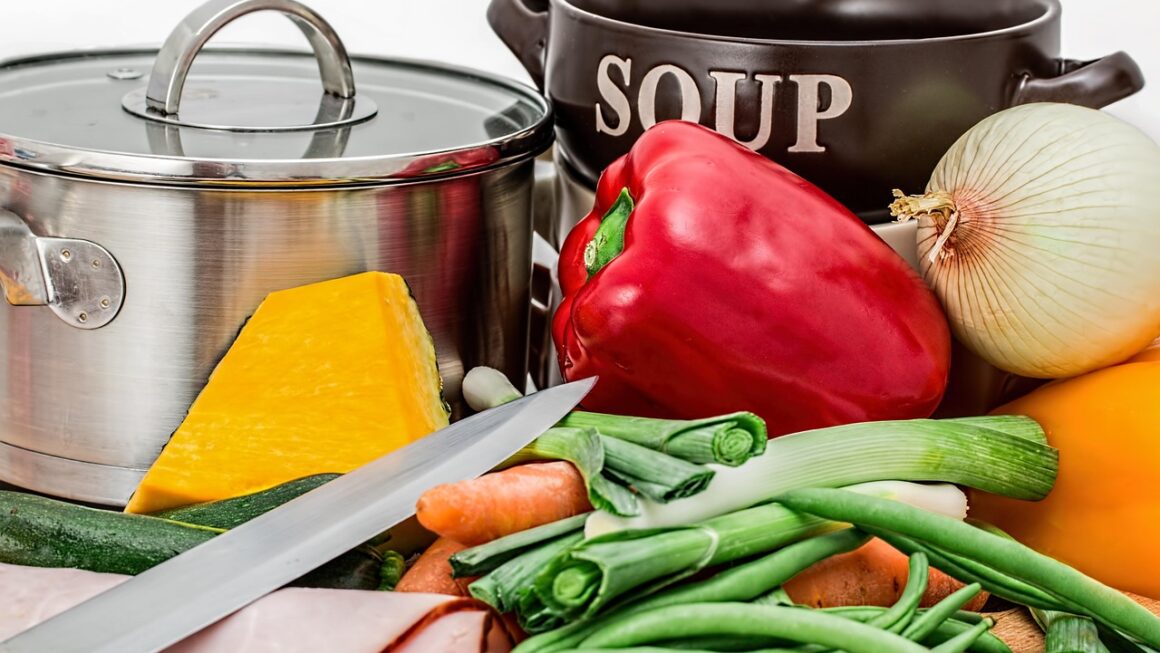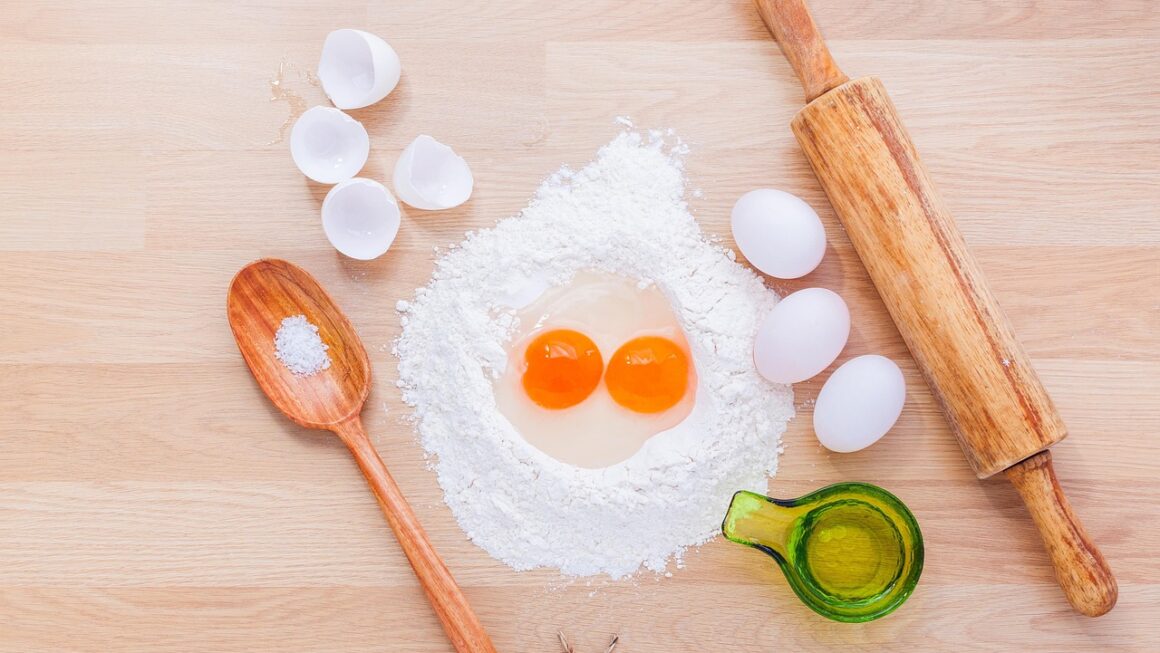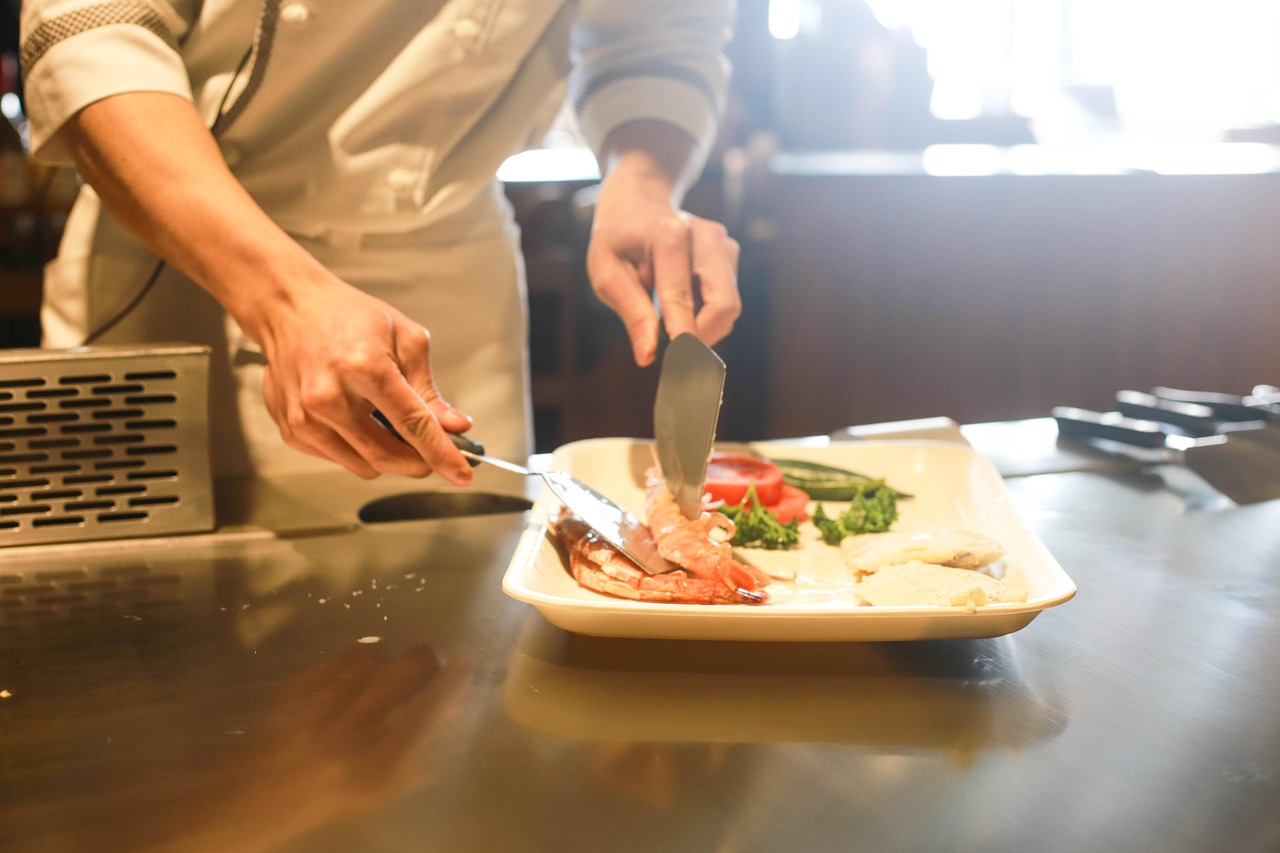
In a world of constant motion and endless convenience, there’s a quiet revolution brewing right in our kitchens: the resurgence of home cooking. More than just a chore, preparing meals at home is a powerful act of nourishment, creativity, and connection. It’s an opportunity to take control of what you eat, foster healthier habits, and create lasting memories around the dinner table. Whether you’re a seasoned chef or a culinary novice, embracing home cooking opens up a world of benefits that extend far beyond the plate. Let’s explore how bringing cooking back to its rightful place in our homes can enrich our lives.
The Unrivaled Benefits of Home Cooking
Opting for home-cooked meals over takeout or restaurant dining offers a myriad of advantages that impact your health, finances, and overall well-being. It’s a fundamental shift towards a more intentional and wholesome lifestyle.
Nutritional Control
- Know Your Ingredients: When you cook at home, you have complete oversight of every ingredient that goes into your food. This means choosing fresh, high-quality produce, lean proteins, and whole grains.
- Manage Macronutrients: Easily adjust portion sizes and ratios of carbohydrates, proteins, and fats to meet your specific dietary needs or health goals. This is particularly beneficial for those managing diabetes, heart conditions, or weight.
- Reduce Unhealthy Additives: Avoid excessive amounts of sodium, unhealthy fats, and added sugars often found in processed foods and restaurant dishes. A study by Johns Hopkins found that people who cook at home more often tend to consume fewer calories, less sugar, and less fat.
- Example: Instead of a fast-food burger loaded with hidden sugars in the bun and sauces, prepare your own lean ground beef patty, add fresh lettuce, tomato, and a whole-wheat bun, controlling the seasoning and condiments entirely.
Mental Well-being and Mindfulness
- Stress Reduction: The act of cooking can be incredibly therapeutic. Chopping vegetables, stirring a pot, and focusing on the task at hand can be a meditative process, helping to alleviate stress and anxiety.
- Sense of Accomplishment: Successfully creating a delicious meal provides a strong sense of pride and accomplishment, boosting self-esteem.
- Mindful Eating: Preparing your own food naturally encourages more mindful eating habits. You’re more likely to savor each bite when you’ve invested time and effort into its creation.
- Actionable Takeaway: Dedicate at least one evening a week to a “mindful cooking” session. Turn off distractions, put on some music, and fully immerse yourself in the cooking process.
Allergen Safety and Dietary Restrictions
- Complete Control: For individuals with food allergies or intolerances (e.g., gluten, dairy, nuts), home cooking is the safest way to ensure meals are free from contaminants and hidden ingredients.
- Tailored Meals: Easily adapt recipes to accommodate specific dietary restrictions, such as vegetarian, vegan, ketogenic, or low-FODMAP diets, without compromising on flavor or variety.
- Example: If you have a severe peanut allergy, cooking your own stir-fry guarantees no cross-contamination, which can be a significant concern when ordering from restaurants.
Mastering Your Kitchen: Essential Skills for Every Home Cook
You don’t need to be a gourmet chef to enjoy home cooking. A few fundamental skills and smart approaches can elevate your culinary game and make cooking an enjoyable, less daunting experience.
Knife Skills & Basic Techniques
- Safe and Efficient Chopping: Learning proper knife handling not only makes cooking faster but also significantly safer. Master the basic chop, dice, and mince for various ingredients.
- Fundamental Cooking Methods: Familiarize yourself with techniques like sautéing, roasting, boiling, and simmering. These are the building blocks for countless recipes.
- Mise en Place: Adopt the “mise en place” (everything in its place) philosophy – preparing all your ingredients (chopping, measuring) before you start cooking. This streamlines the process and reduces stress.
- Practical Tip: Invest in one good quality chef’s knife and learn how to sharpen it. Practice basic cuts with less expensive vegetables like carrots and onions until you feel confident.
Understanding Flavors & Spices
- The Power of Aromatics: Learn how to build flavor foundations using aromatics like onions, garlic, celery (mirepoix), or ginger and chilies for Asian cuisine.
- Seasoning with Confidence: Understand how salt, pepper, herbs, and spices can transform a dish. Start by tasting and adjusting as you go, rather than strictly following recipe measurements.
- Balancing Tastes: Explore the five basic tastes – sweet, sour, salty, bitter, and umami – and how to balance them for a harmonious dish. A squeeze of lemon (sour) can brighten a rich sauce, for instance.
- Actionable Takeaway: Pick one new spice or herb each month. Research its common pairings and try incorporating it into a familiar dish to expand your flavor palate.
Smart Ingredient Sourcing
- Prioritize Fresh & Seasonal: Cooking with ingredients that are in season not only guarantees better flavor but also often means lower prices and supporting local agriculture.
- Read Labels: Become adept at reading food labels to understand nutritional content and avoid unnecessary additives or high-fructose corn syrup.
- Utilize Local Markets: Explore farmers’ markets for fresh, often organic produce and unique artisanal products. Building relationships with local vendors can also provide valuable cooking insights.
- Example: During summer, opt for fresh berries and tomatoes. In winter, focus on root vegetables and citrus fruits for optimal flavor and value.
Budget-Friendly & Waste-Reducing Strategies
Home cooking is an excellent way to save money and significantly reduce your household’s food waste footprint. With a little planning and smart execution, you can make every ingredient count.
Meal Planning & Grocery Lists
- Strategic Planning: Plan your meals for the entire week, taking into account ingredients you already have on hand and upcoming events.
- Stick to the List: Create a detailed grocery list based on your meal plan and commit to only buying what’s on it. This curbs impulse purchases and ensures you have all necessary ingredients.
- Inventory Check: Before planning or shopping, check your pantry, fridge, and freezer. Build meals around expiring items to prevent waste.
- Statistic: The average American household wastes about 32% of the food it buys, equating to roughly $1,800 annually. Effective meal planning can drastically reduce this.
Batch Cooking & Leftover Reinvention
- Cook Once, Eat Thrice: Dedicate a few hours on a weekend to batch cook staples like grains (quinoa, rice), roasted vegetables, or a large pot of soup or chili. These can be used for multiple meals throughout the week.
- Transform Leftovers: Don’t just reheat; reinvent! Leftover roasted chicken can become chicken salad, tacos, or a pasta add-in. Stale bread can be turned into croutons or bread pudding.
- Smart Freezing: Freeze individual portions of batch-cooked meals or excess ingredients (e.g., herb bundles, tomato paste, vegetable scraps for broth) for later use, extending their shelf life.
- Practical Tip: Designate a “Leftover Night” once a week. Get creative by combining disparate leftovers into a new dish, like a “fridge clean-out” omelet or stir-fry.
Smart Storage Solutions
- Proper Produce Storage: Learn the best ways to store different fruits and vegetables to maximize their freshness (e.g., leafy greens in damp paper towels, onions in a cool, dark place).
- Airtight Containers: Invest in good quality airtight containers to store cooked food and opened ingredients, preventing spoilage and maintaining flavor.
- First-In, First-Out (FIFO): Practice rotating your pantry and fridge items so that older items are used before newer ones.
- Actionable Takeaway: Label and date everything you freeze or store. This simple habit prevents forgotten food and reduces waste significantly.
The Joy of Shared Meals: Building Connections Through Food
Beyond nutrition and economy, home cooking is profoundly about connection. It’s an ancient tradition that brings people together, fostering bonds and creating cherished memories.
Family Dinners & Traditions
- Strengthening Bonds: Regular family meals provide a consistent opportunity for communication, sharing, and strengthening family relationships away from digital distractions.
- Teaching Values: The dinner table can be a place to teach children about nutrition, culture, manners, and the importance of coming together.
- Creating Legacies: Passing down family recipes creates traditions and a sense of heritage, connecting generations through the shared experience of food.
- Statistic: Studies show that children who eat regular family meals tend to perform better academically, have higher self-esteem, and are less likely to engage in risky behaviors.
Cooking with Kids
- Life Skills Development: Involving children in meal preparation teaches them valuable life skills, from basic safety and hygiene to math and science concepts (measurements, chemical reactions).
- Encouraging Healthy Eating: Kids are often more willing to try new foods if they’ve helped prepare them. It gives them ownership and pride in the meal.
- Quality Time: Cooking together is a fun and interactive way to spend quality time as a family, fostering cooperation and creativity.
- Practical Tip: Start with simple tasks appropriate for their age, like washing vegetables, stirring ingredients, or setting the table. As they grow, introduce more complex steps.
Entertaining Made Easy
- Personal Touch: Hosting a dinner party with homemade dishes adds a personal, heartfelt touch that guests truly appreciate.
- Cost-Effective Socializing: Entertaining at home is often far more budget-friendly than dining out, allowing for more frequent gatherings.
- Building Community: Sharing a meal you’ve prepared in your home is an intimate way to connect with friends, neighbors, and extended family, building a stronger community around you.
- Actionable Takeaway: Don’t aim for perfection when entertaining. Choose dishes you’re comfortable making or prepare parts of the meal in advance. The company is more important than a flawless plate.
Elevating Your Home Cooking: Tips for Culinary Exploration
Once you’ve mastered the basics, the world of home cooking invites you to explore, experiment, and continually refine your palate and skills. It’s a journey of delicious discovery.
Experimenting with Global Cuisines
- Expand Your Palate: Dive into recipes from different cultures – Thai curries, Italian pasta, Mexican tacos, Indian dals. Each cuisine offers unique flavor profiles and cooking techniques.
- Embrace New Ingredients: Explore your local international markets for authentic spices, sauces, and produce that might be unfamiliar.
- Cultural Immersion: Cooking international dishes can be a wonderful way to learn about other cultures and their culinary traditions from the comfort of your own kitchen.
- Practical Example: Start with a widely loved dish like Pad Thai. Once you understand its balance of sweet, sour, salty, and spicy, you can apply that knowledge to other Thai dishes or even create your own fusion recipes.
Harnessing Seasonal Produce
- Optimal Flavor and Nutrition: Produce eaten in season is at its peak flavor and nutritional value.
- Cost Savings: Seasonal produce is typically more abundant and therefore less expensive.
- Variety in Diet: Cooking with the seasons naturally encourages a more varied diet, ensuring you get a wider range of vitamins and minerals.
- Actionable Takeaway: Subscribe to a local CSA (Community Supported Agriculture) box or frequently visit farmers’ markets. Challenge yourself to create meals based on what’s available each week.
Advanced Techniques & Flavor Pairings
- Beyond Basic Cooking: Explore techniques like sous vide, braising, confit, or making your own pasta or bread. These can be incredibly rewarding.
- Understanding Umami: Delve deeper into umami-rich ingredients like mushrooms, aged cheeses, tomatoes, and soy sauce to add depth to your dishes.
- Mastering Flavor Pairing: Research classic flavor pairings (e.g., tomato and basil, lamb and rosemary, chocolate and raspberry) and experiment with less conventional but complementary combinations.
- Example: Once you’re comfortable with basic roasting, try reverse-searing a steak for a perfectly cooked interior and crispy crust, or learn how to properly emulsify a vinaigrette.
Conclusion
Home cooking is more than just preparing food; it’s an investment in your health, your wallet, and your relationships. It empowers you with nutritional control, fosters mindful living, and provides a creative outlet. From mastering basic knife skills to exploring global cuisines, every step in your culinary journey enriches your life. So, dust off those aprons, explore new recipes, and rediscover the profound joy and invaluable benefits that come from cooking at home. Your kitchen awaits – ready to be the heart of your home and the source of countless delicious memories.