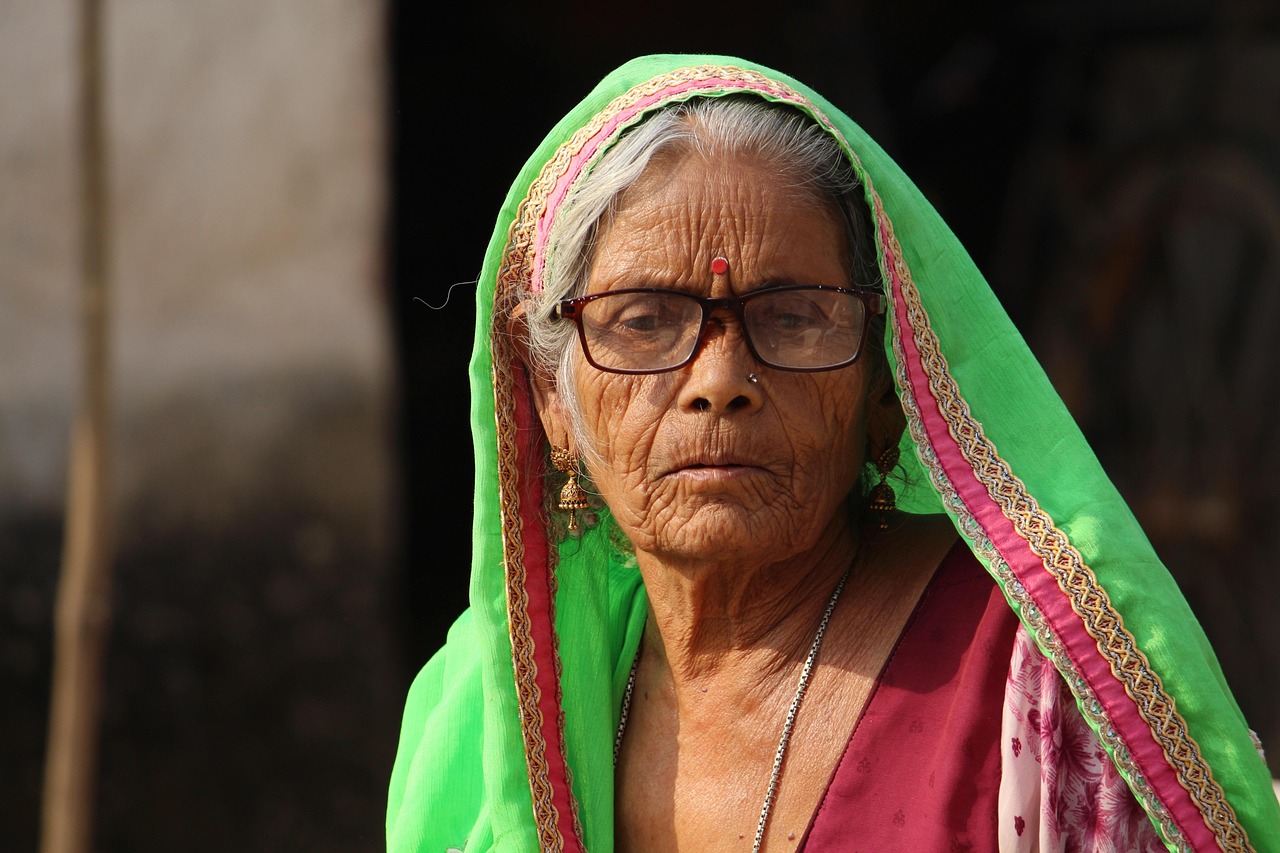
In an increasingly interconnected yet often isolated world, the strength of our local communities has never been more vital. Imagine vibrant neighborhoods where everyone feels a sense of belonging, where resources are shared, and where collective action tackles common challenges. This vision is not a utopian dream but a tangible reality fostered by effective community programs. These local initiatives are the backbone of thriving societies, quietly weaving a tapestry of support, growth, and shared purpose that empowers individuals and strengthens the very fabric of our communities.
What Are Community Programs and Why Do They Matter?
Community programs are organized efforts designed to address specific needs, improve quality of life, or promote general well-being within a defined geographical area or group of people. They are born from a deep understanding of local challenges and opportunities, translating shared aspirations into actionable projects that create tangible positive change.
Defining Community Programs
- Organized Initiatives: These aren’t random acts of kindness but structured activities with defined goals, participants, and often, funding.
- Locally Focused: While some may have national ties, their primary impact and operation are rooted in a specific neighborhood, town, or city.
- Needs-Driven: They emerge from identifying gaps or desires within the community, whether it’s a lack of after-school care, food insecurity, or a need for green spaces.
- Collaborative: Often, they involve partnerships between residents, local government, non-profits, businesses, and volunteers.
The Core Purpose: Building Stronger Bonds
At their heart, community programs aim to foster a sense of togetherness and mutual support. They provide platforms for people to connect, learn, and contribute, moving beyond individual concerns to address collective well-being.
- Enhancing Social Cohesion: Breaking down barriers and building bridges between diverse groups of people.
- Empowering Residents: Giving community members a voice and agency in shaping their environment.
- Resource Sharing: Efficiently distributing knowledge, skills, and materials to those who need them most.
- Addressing Gaps: Providing services and opportunities that might otherwise be unavailable due to market failures or government limitations.
The Ripple Effect: Beyond Individual Impact
The beauty of well-executed community development programs is their ability to create a far-reaching ripple effect. What starts as a small local initiative can lead to widespread improvements.
- Increased Civic Participation: Engaged residents are more likely to vote, volunteer, and advocate for local issues.
- Economic Revitalization: Programs can stimulate local economies through job creation, skill development, and increased local spending.
- Improved Public Health: Initiatives promoting healthy lifestyles can reduce healthcare burdens and enhance overall community wellness.
- Sustainable Growth: Programs focused on environmental stewardship contribute to a healthier planet for future generations.
Diverse Types of Community Programs and Their Reach
The landscape of community engagement initiatives is incredibly varied, reflecting the diverse needs and aspirations of different populations. From education to environmental protection, there’s a program touching almost every aspect of civic life.
Education and Skill Development Initiatives
These programs focus on lifelong learning, bridging educational gaps, and equipping individuals with valuable skills for personal and professional growth.
- After-School Tutoring: Providing academic support to children and teenagers, often in underserved areas.
- Adult Literacy Programs: Helping adults improve reading, writing, and numeracy skills, opening doors to employment and further education.
- Vocational Training Workshops: Offering practical skills like coding, carpentry, culinary arts, or digital marketing to enhance employability.
- Mentorship Programs: Pairing experienced professionals with aspiring individuals, particularly youth, for guidance and career development.
- Example: A local library hosting free coding workshops for teenagers or an NGO providing ESL classes for new immigrants.
Health and Wellness Programs
Focused on promoting physical, mental, and emotional well-being, these initiatives aim to create healthier communities.
- Community Gardens: Providing fresh produce, promoting healthy eating, and offering therapeutic outdoor activity.
- Free Health Screenings: Offering accessible checks for blood pressure, diabetes, and other conditions, often in partnership with local clinics.
- Mental Health Support Groups: Creating safe spaces for individuals to share experiences and find support for mental health challenges.
- Fitness Classes: Organizing free or low-cost yoga, Zumba, or walking groups in local parks or community centers.
- Example: A neighborhood park offering free senior exercise classes or a non-profit organizing a ‘Walk with a Doc’ program.
Environmental Sustainability Projects
These programs tackle local environmental issues, fostering ecological awareness and promoting sustainable practices.
- Neighborhood Clean-Up Drives: Organizing volunteers to collect litter from parks, rivers, and streets.
- Recycling and Composting Initiatives: Educating residents on proper waste management and facilitating access to recycling points.
- Tree Planting Campaigns: Increasing urban canopy, improving air quality, and beautifying public spaces.
- Energy Conservation Workshops: Teaching residents practical ways to reduce their energy consumption at home.
- Example: A local environmental group organizing a monthly river clean-up or a city-sponsored program distributing compost bins.
Arts, Culture, and Recreation
These initiatives enrich community life by celebrating local heritage, fostering creativity, and providing opportunities for leisure and social interaction.
- Community Theaters and Art Galleries: Showcasing local talent and providing accessible cultural experiences.
- Music Festivals and Block Parties: Bringing people together for celebration and fostering a sense of local identity.
- Sports Leagues and Fitness Clubs: Promoting physical activity and healthy competition for all ages.
- Cultural Heritage Events: Celebrating diverse traditions through food, music, and storytelling.
- Example: A multi-cultural festival organized by the local council or a volunteer-run community art space.
Social Support and Welfare Programs
Addressing immediate needs and providing safety nets, these programs offer crucial support to vulnerable populations.
- Food Banks and Soup Kitchens: Providing nutritious meals and groceries to individuals and families facing food insecurity.
- Homeless Shelters and Support Services: Offering temporary accommodation, counseling, and assistance for those experiencing homelessness.
- Senior Companionship Programs: Connecting elderly residents with volunteers for social visits and assistance with daily tasks.
- Crisis Hotlines and Counseling: Providing immediate support for individuals in distress or facing mental health crises.
- Example: A church-run food pantry serving weekly meals or a volunteer network providing transportation for seniors to medical appointments.
The Tangible Benefits of Robust Community Programs
Investing in local community programs yields a multitude of returns that extend far beyond the immediate participants. They are critical drivers of social progress and economic vitality.
Boosting Local Economies
Community programs can be powerful engines for economic growth and stability.
- Job Creation: Programs require staff, coordinators, and sometimes contractors, directly creating employment opportunities.
- Skill Development: Training workshops and vocational programs enhance the local workforce’s capabilities, making residents more employable.
- Increased Local Spending: Successful programs often attract visitors or require supplies from local businesses, circulating money within the community.
- Property Value Appreciation: Vibrant, well-resourced communities with strong social infrastructure tend to be more desirable places to live, potentially increasing property values.
- Actionable Takeaway: Support local businesses that sponsor community initiatives, recognizing their contribution to the local economy.
Enhancing Public Safety and Well-being
Strong community programs contribute to safer, healthier environments for everyone.
- Reduced Crime Rates: Engaged youth, active public spaces, and strong neighborhood watch programs can deter criminal activity.
- Improved Public Health Outcomes: Access to healthy food, fitness activities, and mental health support leads to a healthier population.
- Emergency Preparedness: Community-led initiatives can educate residents on disaster response and create networks for mutual aid during crises.
- Stronger Social Networks: Individuals with robust social ties are often more resilient and less prone to isolation and related health issues.
- Actionable Takeaway: Participate in local safety initiatives or health walks to directly contribute to community well-being.
Fostering Inclusivity and Belonging
One of the most profound impacts of community programs is their ability to build bridges and ensure everyone feels valued.
- Cultural Exchange: Events and programs celebrating diverse cultures help break down stereotypes and build mutual understanding.
- Support for Vulnerable Groups: Targeted programs provide necessary resources and a sense of belonging for seniors, persons with disabilities, immigrants, and low-income families.
- Reducing Social Isolation: Creating opportunities for interaction combats loneliness and fosters friendships across different demographics.
- Youth Engagement: Involving young people in decision-making and positive activities prevents disengagement and promotes positive development.
- Actionable Takeaway: Seek out opportunities to volunteer with programs that support diverse populations in your area.
Developing Future Leaders
Many community building programs serve as fertile ground for cultivating leadership skills.
- Volunteer Opportunities: Managing projects, coordinating events, and leading teams within volunteer settings build practical leadership experience.
- Youth Leadership Programs: Specifically designed to empower young people with the skills, confidence, and vision to become future community leaders.
- Civic Engagement Training: Educating residents on how to advocate effectively for their community needs and participate in local governance.
- Problem-Solving Skills: Working collaboratively to address community issues hones critical thinking and innovative problem-solving.
- Actionable Takeaway: Encourage young people in your life to get involved in local programs that offer leadership roles or mentorship.
Practical Examples: Community Programs in Action
To truly understand the impact of community programs, let’s look at some real-world examples and the specific ways they make a difference.
Youth Mentorship and After-School Clubs
- Description: Programs like Big Brothers Big Sisters or local Boys & Girls Clubs offer safe spaces, academic support, and positive role models for children and teenagers outside of school hours.
- Details: Mentors meet regularly with mentees, offering guidance, help with homework, and engaging in recreational activities. Clubs provide structured programs ranging from sports to arts and crafts.
- Impact: Improved academic performance, reduced risk-taking behavior, enhanced self-esteem, and exposure to new opportunities, particularly for at-risk youth.
- Example: In Oakland, California, the Youth Beat program teaches media skills, empowering young people to tell their own stories and produce documentaries, gaining both technical skills and confidence.
Community Gardens and Urban Farms
- Description: Vacant lots or underutilized public spaces are transformed into vibrant gardens tended by local residents.
- Details: Volunteers grow fresh produce, share gardening knowledge, and often donate excess harvest to local food banks. Some even offer plots for individual families.
- Impact: Increased access to fresh, healthy food; improved neighborhood aesthetics; opportunities for intergenerational interaction; environmental education; and a stronger sense of shared ownership and pride.
- Example: The “Food for Others” garden in Fairfax, Virginia, cultivates fresh produce on donated land, entirely tended by volunteers, providing thousands of pounds of vegetables annually to those experiencing food insecurity.
Volunteer-Led Senior Support Networks
- Description: Neighbors and volunteers come together to provide assistance and companionship to elderly residents who wish to age in place.
- Details: Services might include transportation to appointments, grocery shopping assistance, friendly visits, help with minor home repairs, or organizing social events like potlucks or game nights.
- Impact: Reduced social isolation among seniors, improved access to essential services, enhanced quality of life, and peace of mind for both seniors and their families.
- Example: Many “Villages” models, like those part of the Village to Village Network, operate nationwide, where members pay a small fee and volunteers offer a range of non-medical support services, creating self-sustaining communities for seniors.
Local Skill-Share Workshops
- Description: Community centers or local businesses host workshops where residents can teach and learn practical skills from each other.
- Details: Topics can range from basic computer literacy, budgeting, and bicycle repair to knitting, cooking, or learning a new language. Often run by volunteers with expertise.
- Impact: Empowering individuals with new skills, fostering peer-to-peer learning, promoting resourcefulness, and building social connections through shared interests.
- Example: A local library offering free workshops on resume writing and interview skills, or a community college providing low-cost adult education classes in digital photography.
How to Get Involved and Make a Difference
The power of community programs lies in collective action. Whether you have an hour a week or a grand vision, there are numerous ways to contribute to the vitality of your local area.
Finding Local Opportunities
The first step is often discovering what’s already happening in your neighborhood.
- Online Search: Use search engines with terms like “community programs near me,” “volunteer opportunities [your city],” or “[your town] non-profits.”
- Community Centers: Visit your local community center, library, or town hall; they often have bulletin boards or staff who can point you to local initiatives.
- Local News & Social Media: Follow local news outlets, community Facebook groups, or Nextdoor for announcements and calls for volunteers.
- Word of Mouth: Talk to neighbors, friends, and local business owners. They often know about grassroots efforts.
- Actionable Takeaway: Dedicate 15 minutes this week to search online for “community events [your neighborhood]” and see what comes up.
Starting Your Own Initiative
If you identify a gap or have a passion, you can be the catalyst for change.
- Identify a Need: What problem do you see in your community? What solution can you offer?
- Gather Support: Talk to neighbors, friends, and local leaders. Building a small team is crucial.
- Research and Plan: Look into existing models, potential funding sources, and necessary permits or regulations.
- Start Small: Don’t aim for perfection immediately. A successful small pilot project can grow organically.
- Network: Connect with other community organizers for advice and collaboration.
- Actionable Takeaway: If you have an idea, share it with three trusted friends or neighbors this week to gauge interest and brainstorm.
Donating and Fundraising
Financial support is vital for sustaining community programs.
- Direct Donations: Contribute financially to organizations whose mission aligns with your values. Even small, regular donations make a difference.
- In-Kind Donations: Many programs need specific items (e.g., books for a literacy program, tools for a community garden, clothes for a shelter).
- Fundraising Events: Organize or participate in charity runs, bake sales, or online campaigns to raise money and awareness.
- Corporate Sponsorship: If you own a business, consider sponsoring a local program.
- Actionable Takeaway: Research one local charity or community program and consider making a small, one-time or recurring donation this month.
Advocacy and Awareness
Sometimes, the greatest impact comes from using your voice.
- Spread the Word: Share information about impactful programs on social media, with friends, and within your networks.
- Attend Public Meetings: Participate in town halls or local council meetings to advocate for policies that support community initiatives.
- Contact Representatives: Write to your local elected officials to express support for funding or policies related to community programs.
- Volunteer for Outreach: Help programs reach more people by assisting with their marketing and communication efforts.
- Actionable Takeaway: Share this blog post with someone you know who cares about their community to raise awareness about the importance of these programs.
Conclusion
Community programs are far more than just services; they are the heartbeats of our neighborhoods, transforming shared spaces into vibrant hubs of connection, growth, and resilience. From nourishing bodies and minds to fostering skills and strengthening social ties, these local initiatives empower individuals and build a collective future. They remind us that true progress isn’t just about individual achievement, but about the prosperity and well-being of the whole. By actively engaging with, supporting, and championing these essential programs, each of us plays a vital role in creating communities where everyone can thrive. Let’s embrace the power of local action and build a more connected, compassionate, and robust world, one community program at a time.