In the vast landscape of physical fitness and mindful movement, certain practices stand as cornerstones for building a robust foundation. Among these, standing poses reign supreme, offering a dynamic blend of strength, stability, and mental clarity. Far more than just static positions, these powerful postures engage multiple muscle groups, challenge your equilibrium, and invite a profound connection between your mind and body. Whether you’re a seasoned yogi or embarking on your wellness journey, incorporating standing poses into your routine can unlock a wealth of physical benefits and foster a deeper sense of grounding in your daily life.
The Foundation of Strength and Stability
Standing poses are fundamental to many movement disciplines, from yoga to general fitness routines. They are characterized by their upright nature, requiring you to support your body’s weight primarily through your legs and feet. This inherent demand on your lower body and core makes them incredibly effective for building foundational strength and improving overall bodily control.
What Are Standing Poses?
At their core, standing poses are postures performed while standing upright, typically involving a wide range of leg positions, arm movements, and spinal alignments. They can be simple and grounding, like Tadasana (Mountain Pose), or complex and challenging, like Virabhadrasana III (Warrior III). Their primary function is to cultivate power, stamina, and balance by engaging large muscle groups and stabilizing joints.
Core Benefits of Integrating Standing Poses
The consistent practice of standing poses yields a multitude of advantages that impact both your physical health and mental well-being. These benefits are cumulative, growing stronger with dedicated effort:
- Enhanced Muscular Strength: Standing poses effectively target and strengthen major muscle groups in the legs (quadriceps, hamstrings, glutes, calves), core, and back, leading to increased overall body power.
- Improved Balance and Stability: By challenging your center of gravity, these poses train your proprioception – your body’s ability to sense its position in space – significantly reducing the risk of falls.
- Increased Bone Density: As weight-bearing exercises, standing poses stimulate bone growth, making them excellent for maintaining strong bones and potentially preventing osteoporosis, especially crucial as we age.
- Boosted Core Stability: Engaging the abdominal and back muscles is paramount in most standing poses, leading to a stronger, more supportive core that benefits posture and protects the spine.
- Enhanced Mental Focus and Concentration: The need for precise alignment and sustained effort in standing poses trains the mind to stay present, improving concentration and reducing mental clutter.
- Stress Reduction and Grounding: The physical effort combined with mindful breathing can release tension, while the rooted feeling in your feet provides a powerful sense of grounding and calm.
Actionable Takeaway: Begin incorporating at least three different standing poses into your daily routine. Even short holds can make a significant difference over time.
Building Physical Power: Strength & Endurance
One of the most immediate and tangible benefits of practicing yoga standing poses is the profound impact they have on building physical strength and endurance. These postures are metabolic powerhouses, engaging large muscle groups in dynamic ways that sculpt and tone the entire body.
Targeting Key Muscle Groups
Standing poses are masters at recruiting and strengthening the foundational muscles that support your daily movements. This targeted engagement translates into practical strength for everyday activities and enhanced athletic performance.
- Legs (Quads, Hamstrings, Glutes, Calves): Poses like Virabhadrasana II (Warrior II) and Utkatasana (Chair Pose) intensely work the quadriceps and glutes, building powerful, resilient legs. Balancing poses such as Vrksasana (Tree Pose) also engage the smaller stabilizing muscles in the ankles and feet.
- Core (Abdominals, Obliques, Lower Back): Maintaining integrity in poses like Virabhadrasana III (Warrior III) or Ardha Chandrasana (Half Moon Pose) demands constant core engagement, leading to a stronger, more supportive midsection.
- Spine and Back Muscles: Many standing poses require an upright, elongated spine, strengthening the erector spinae muscles that support good posture. Consider the spinal extension in a high lunge.
- Shoulders and Arms: While often associated with legs, many standing poses involve active arm extensions (e.g., in Trikonasana – Triangle Pose), building upper body endurance and stability.
Practical Example: In Virabhadrasana I (Warrior I), your front thigh is parallel to the floor, powerfully engaging your quadriceps and glutes. Simultaneously, your back leg is strong and rooted, stretching the calf and hamstring. Your core is active to keep your torso upright, and your arms reach overhead, creating full-body engagement. Holding this pose for 30-60 seconds significantly builds muscular endurance.
Enhancing Bone Density and Joint Health
The weight-bearing nature of standing poses is a powerful ally for skeletal health. When bones bear weight, they respond by becoming denser and stronger. This is particularly vital for preventing conditions like osteoporosis. Moreover, the controlled movements and stretches inherent in these poses promote joint lubrication and flexibility.
- Osteoporosis Prevention: Regular weight-bearing exercise is one of the most effective ways to maintain and improve bone density. Standing on one leg, as in Tree Pose, specifically challenges and strengthens the hip and leg bones.
- Joint Mobility: The dynamic transitions and holds in standing poses encourage a healthy range of motion in the hips, knees, and ankles, which can alleviate stiffness and improve joint function over time.
- Ligament and Tendon Strengthening: The sustained engagement of muscles around joints helps strengthen the surrounding ligaments and tendons, providing better joint support and stability.
Actionable Takeaway: Focus on maintaining proper alignment in each pose to maximize weight-bearing benefits for your bones and ensure healthy joint engagement. Seek guidance if you’re unsure about correct form.
Mastering Balance and Proprioception
Perhaps one of the most celebrated aspects of standing poses is their profound ability to cultivate balance. More than just a party trick, a strong sense of balance is crucial for preventing falls, enhancing coordination, and navigating the world with grace and confidence. This skill is deeply intertwined with proprioception, our body’s internal GPS.
The Art of Equilibrium
Balance is a complex interplay of the inner ear, eyes, muscles, and nervous system. Standing poses specifically challenge this system by often narrowing the base of support (e.g., standing on one leg) or shifting the body’s center of gravity. This constant adjustment strengthens the neural pathways responsible for maintaining equilibrium.
- Dynamic Stability: Even in what appears to be a static pose, your body is constantly making micro-adjustments to stay upright. This active stabilization process refines your balance.
- Proprioception Explained: Proprioception is your body’s sixth sense – the awareness of your body’s position and movement in space. When you close your eyes and can still touch your nose, that’s proprioception at work. Standing poses enhance this by requiring you to sense where your limbs are without relying solely on sight.
- Fall Prevention: Improved balance is directly linked to a reduced risk of falls, a significant concern, especially for older adults. Studies show that regular balance training can decrease fall rates by up to 23% in at-risk populations.
Poses for Perfecting Your Balance
While almost all standing poses contribute to balance, some are particularly adept at refining this skill. Integrating these into your routine can yield significant improvements.
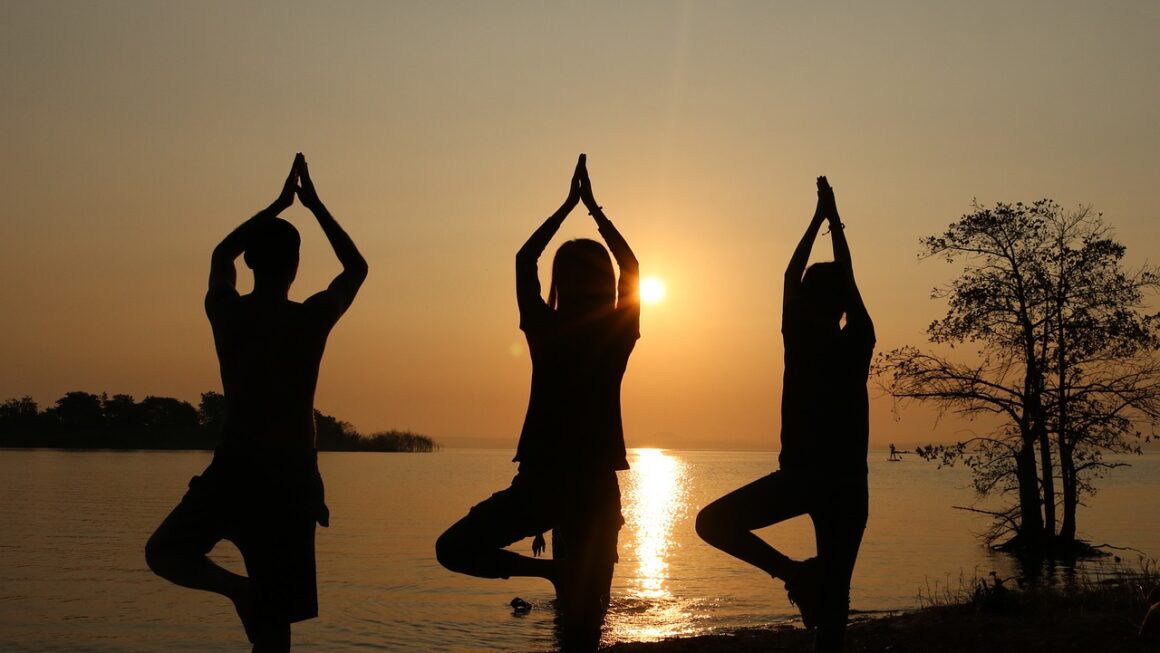
- Vrksasana (Tree Pose): The quintessential balancing pose. Standing on one leg with the other foot placed on the inner thigh or calf challenges your stability while opening the hips.
- Garudasana (Eagle Pose): This pose involves wrapping one leg around the other and the arms in a similar fashion, demanding intense focus and core engagement to maintain balance.
- Ardha Chandrasana (Half Moon Pose): A more advanced pose, Half Moon requires balancing on one leg with one arm and the torso extended parallel to the floor, significantly challenging proprioception and core strength.
- Natarajasana (Dancer’s Pose): A beautiful and challenging balance, involving standing on one leg while holding the ankle of the other leg and extending it upwards behind you, combining strength, flexibility, and balance.
Practical Tip: When practicing balancing poses, find a drishti (a single, unmoving focal point) in front of you. Engage your core, press firmly through your standing foot, and don’t be afraid to use a wall or chair for support initially. Consistency is key; even a few minutes a day can make a difference.
Cultivating Mental Focus and Grounding
Beyond the impressive physical benefits, standing poses offer a profound pathway to mental clarity, improved concentration, and a deep sense of grounding. The very act of holding these postures requires a significant amount of mental engagement, fostering a powerful mind-body connection.
Connecting Mind and Body
The sustained effort and precise alignment required in standing poses naturally draw your attention inward. This process helps to quiet the “monkey mind” and cultivate present-moment awareness, a cornerstone of mindfulness. When your body is actively engaged, your mind finds less room for distraction.
- Enhanced Concentration: Focusing on breath (pranayama) and alignment during a challenging pose sharpens your ability to concentrate, a skill that translates into daily tasks and problem-solving.
- Stress Reduction: The combination of physical exertion and mindful breathing helps to activate the parasympathetic nervous system, promoting relaxation and reducing the physiological symptoms of stress. The deep, intentional breathing can lower heart rate and blood pressure.
- Emotional Regulation: Confronting the physical discomfort or mental challenge of a long hold can teach resilience and patience, helping you to manage emotions more effectively off the mat.
Practical Example: During Trikonasana (Triangle Pose), notice how you need to coordinate the rooting of your feet, the extension through your legs, the reach of your arms, and the twist in your torso. This simultaneous awareness of multiple body parts, combined with your breath, creates a meditative state that enhances focus and body mapping.
Grounding Through Your Feet
The concept of “grounding” is central to the experience of standing poses. It refers to the sensation of being firmly rooted and connected to the earth. This physical connection has a powerful psychological effect, fostering a feeling of stability, security, and presence.
- Feeling Rooted: By consciously pressing all four corners of your feet into the floor, you create a stable foundation. This physical rooting can help dissipate feelings of anxiety and restlessness.
- Presence and Stability: When you feel grounded, you are more present in your body and less caught up in mental chatter about the past or future. This stability extends beyond the mat, helping you navigate life’s challenges with greater resilience.
- Energetic Flow: In many traditions, the feet are seen as energetic channels connecting us to the earth. Conscious grounding is believed to help balance our energy and promote a sense of well-being.
Actionable Takeaway: In every standing pose, take a moment to notice the connection between your feet and the ground. Wiggle your toes, lift your arches, and then spread your toes wide as you press down through your heels and the balls of your feet. Feel the stability this conscious action creates.
Actionable Tips for Your Standing Pose Practice
Whether you’re new to the world of standing poses or looking to deepen your existing practice, a few practical tips can help you maximize benefits and ensure a safe, rewarding experience.
Beginner-Friendly Approaches
Starting a new practice can feel daunting, but standing poses are highly adaptable. Begin with foundational postures and modify as needed to build confidence and strength.
- Start with the Basics: Master poses like Tadasana (Mountain Pose), teaching you how to stand correctly, and simpler warrior variations before moving to more complex balances.
- Utilize Props: Don’t hesitate to use a wall for balance support in Tree Pose, a chair in Chair Pose (Utkatasana), or blocks under your hand in Triangle Pose (Trikonasana) to maintain alignment and reduce strain.
- Listen to Your Body: Pain is a signal to ease off. Discomfort is part of building strength, but sharp or intense pain is a warning. Modify or rest when needed.
- Focus on Breath: Conscious breathing (Ujjayi breath, if familiar) helps to calm the nervous system and sustain longer holds. If your breath becomes strained, you’re pushing too hard.
Practical Example: If Tree Pose feels unstable, simply place the sole of your lifted foot on your ankle or calf, avoiding the knee joint, and use a wall for support with your hand. Gradually, you can move your foot higher and lessen your reliance on the wall.
Deepening Your Practice
Once comfortable with the fundamentals, you can explore ways to enhance the challenge and benefits of your standing pose routine.
- Hold for Longer: Gradually increase the duration of your holds in each pose, aiming for 30 seconds to a minute or more, to build endurance and mental fortitude.
- Refine Your Alignment: Pay meticulous attention to the subtle cues for alignment in each pose. Small adjustments can significantly change the pose’s impact. Consider attending workshops or private sessions for detailed feedback.
- Incorporate Dynamic Transitions: Flow between standing poses (e.g., from Warrior I to Warrior II to Reverse Warrior) to build strength, flexibility, and cardiovascular endurance.
- Add Advanced Variations: Once proficient, explore variations like extended binds in Triangle Pose, or deeper backbends in Dancer’s Pose, always with caution and preparation.
- Practice with Awareness: Move beyond just the physical form. Bring a sense of curiosity and introspection to each pose. How does it feel? What thoughts arise? How does it connect to your breath?
Actionable Takeaway: Commit to consistency. Even 15-20 minutes of focused standing pose practice three times a week can dramatically improve your strength, balance, and mental well-being over a few months.
Conclusion
Standing poses are much more than just physical postures; they are a holistic practice that nurtures strength, balance, and mental fortitude. From enhancing your physical power and increasing bone density to sharpening your focus and cultivating a profound sense of grounding, the benefits are vast and deeply impactful. By integrating these foundational postures into your wellness routine, you’re not just building a stronger body; you’re cultivating a more resilient mind and a more centered spirit. Embrace the journey of standing tall, rooting down, and discovering the incredible potential within your own body and mind. Start your standing pose practice today and feel the transformative difference.