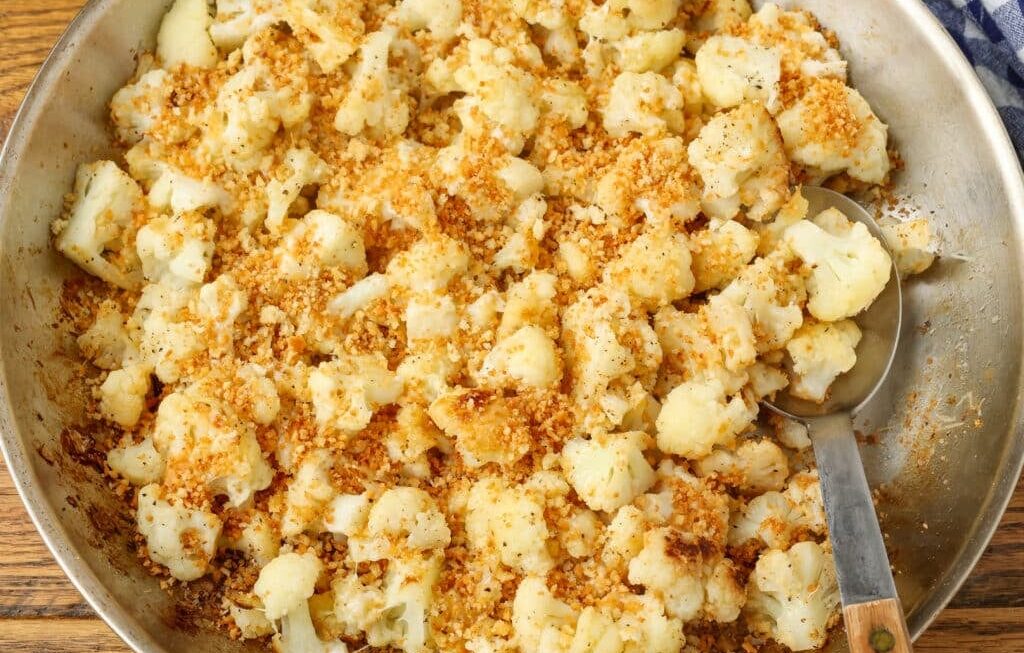
The kitchen, often called the heart of the home, can be a place of culinary joy, family gatherings, and creative expression. Yet, for many, it can also be a source of stress, disorganization, and wasted effort. Whether you’re a seasoned chef or a beginner cook, adopting smart kitchen habits can transform your daily routine, making cooking more enjoyable, efficient, and sustainable. From clever organization hacks to time-saving meal prep strategies and tips for reducing food waste, this comprehensive guide is packed with professional insights to help you master your kitchen and elevate your culinary experience.
Kitchen Organization & Decluttering for Efficiency
A well-organized kitchen is the cornerstone of efficient cooking. When everything has its place, you save precious minutes searching for tools and ingredients, reduce stress, and prevent impulse purchases. Investing time in organization now pays dividends in every meal you prepare.
The “Zone” System for Seamless Workflow
Think of your kitchen in terms of activity zones. This approach streamlines tasks by keeping related items together.
- Prep Zone: Group cutting boards, knives, mixing bowls, and measuring tools near your primary workspace.
- Cooking Zone: Store pots, pans, spatulas, and cooking oils near the stovetop and oven.
- Baking Zone: Dedicate a cabinet or drawer for baking sheets, dry ingredients (flour, sugar), measuring cups, and mixers.
- Dishwashing Zone: Keep dish soap, sponges, and dish towels under or near the sink.
- Storage Zone: Designate areas for dry goods, canned items, and food storage containers.
Actionable Takeaway: Identify your main kitchen zones and relocate items to their most logical and frequently used locations.
Pantry Perfection: Maximizing Your Storage Space
A tidy pantry isn’t just aesthetically pleasing; it helps prevent forgotten items and food waste.
- Clear Containers: Transfer dry goods like pasta, rice, flour, and cereals into airtight, clear containers. This keeps food fresh, makes inventory easy, and deters pests. Label everything clearly with contents and purchase dates.
- Vertical Storage: Utilize risers, stackable shelves, or tiered spice racks to make the most of vertical space. This prevents items from getting lost at the back of deep shelves.
- First-In, First-Out (FIFO): Always place newer items at the back and older items at the front. This simple principle ensures you use ingredients before they expire.
Example: Use lazy Susans in corner cabinets for spices or oils, making them easily accessible without rummaging.
Countertop Clarity: Declutter for More Workspace
Cluttered countertops limit your prep space and can make your kitchen feel smaller. Aim for a minimalist approach.
- Keep Essentials Only: Only have appliances you use daily (e.g., coffee maker, toaster) on display. Store less-frequently used items in cabinets.
- Wall-Mounted Solutions: Consider magnetic knife strips, wall-mounted utensil holders, or floating shelves to free up counter space.
Actionable Takeaway: Remove anything from your countertops that doesn’t serve a daily purpose. A clear counter is a clear mind for cooking!
Smart Meal Prep & Planning for Time-Saving
Meal planning and prepping are powerful kitchen hacks that can save you hours during the week, reduce grocery bills, and support healthier eating habits. Roughly 87% of people who meal plan report eating healthier meals. (Source: USDA economic research report on food consumption).
The Power of Weekly Planning
Dedicate a short time each week to planning your meals. This simple step can drastically reduce decision fatigue and impulsive takeout orders.
- Assess & Inventory: Start by checking your pantry, fridge, and freezer. What ingredients do you already have that need to be used?
- Build Your Menu: Plan 3-5 main meals for the week, considering your family’s preferences and dietary needs. Don’t forget snacks and breakfasts!
- Theme Nights: Simplify planning with theme nights, e.g., “Meatless Monday,” “Taco Tuesday,” “Pasta Thursday.”
Example: On Sunday evening, spend 30 minutes planning out Monday-Friday’s dinners, incorporating ingredients already on hand.
Batch Cooking Basics: Prep Ahead, Eat Well Later
Batch cooking involves preparing large quantities of ingredients or entire meals in advance, saving significant time during busy weekdays.
- Wash & Chop Veggies: Prepare a variety of vegetables (carrots, celery, bell peppers, onions) for salads, stir-fries, or roasts. Store them in airtight containers.
- Cook Grains & Proteins: Cook a large batch of quinoa, brown rice, or lentils. Grill chicken breasts, roast a large cut of meat, or hard-boil eggs. These can be easily incorporated into multiple meals.
- Homemade Sauces & Dressings: Whip up a versatile vinaigrette, pesto, or marinara sauce that can be used throughout the week.
Actionable Takeaway: Choose one day a week (often Sunday) to dedicate 1-2 hours to batch cooking essential components for your planned meals.
Smart Grocery Shopping: Efficiency & Savings
A well-prepared shopping trip prevents overspending and ensures you have everything you need for your meal plan.
- The Master List: Create your shopping list based on your meal plan and pantry inventory. Organize it by supermarket sections to save time.
- Stick to the List: Avoid impulse buys by committing to your list. This is crucial for budget control and preventing food waste.
- Shop Seasonal & Sales: Purchase seasonal produce for better flavor and price. Stock up on non-perishable staples when they’re on sale.
Example: Use a digital shopping list app that categorizes items for you and syncs with family members.
Cooking Techniques & Efficiency Hacks
Beyond ingredients, mastering basic cooking techniques and adopting clever hacks can significantly improve your efficiency, confidence, and the quality of your meals.
Mastering Basic Knife Skills for Speed and Safety
Good knife skills are fundamental for quick and safe food preparation. A sharp knife is safer than a dull one.
- The Claw Grip: Always tuck your fingertips under, using your knuckles as a guide against the blade.
- Rocking Motion: For fine dicing, use a rocking motion with the tip of the blade staying on the cutting board.
- Keep Knives Sharp: Regularly sharpen your knives. A sharp knife makes cleaner cuts, reducing the risk of slipping.
Actionable Takeaway: Practice basic cuts with less expensive vegetables like carrots or potatoes until you feel comfortable and efficient.
Leveraging Kitchen Tools for Faster Cooking
Modern kitchen tools are designed to save you time and effort. Learn to use them to their full potential.
- Pressure Cookers/Instant Pots: Drastically reduce cooking times for tough cuts of meat, beans, and grains.
- Food Processors: Ideal for chopping vegetables, making purees, grating cheese, and preparing dough in minutes.
- Sheet Pans: One-pan meals (roasting vegetables and protein together) simplify cooking and cleanup.
- Microplane Zesters: Quickly zests citrus, grates hard cheeses, and even fresh ginger, adding big flavor with minimal effort.
Example: Use a vegetable peeler for thinly slicing cucumbers or carrots for salads instead of a knife.
Flavor Boosters & Time Savers
Small additions can make a big difference in flavor and often speed up the cooking process.
- Mise en Place: “Everything in its place.” Chop all your vegetables, measure spices, and prepare ingredients before you start cooking. This prevents frantic searching while a pan is heating.
- Aromatics First: Always start with aromatics like onions, garlic, and ginger. Sautéing them first builds a flavorful base for nearly any dish.
- Salt Water for Pasta: Salting your pasta water generously not only flavors the pasta but also raises its boiling point slightly, leading to faster cooking and better texture.
- Acid for Brightness: A squeeze of lemon or a dash of vinegar at the end of cooking can brighten flavors and cut through richness.
Actionable Takeaway: Before you turn on the stove, ensure all your ingredients are prepped and ready to go. It makes cooking so much more enjoyable!
Food Waste Reduction & Smart Storage
Food waste is a significant global issue, with approximately one-third of all food produced for human consumption going to waste annually (Source: FAO). Reducing food waste at home not only helps the planet but also saves you money.
Understanding “Use By” vs. “Best By” Dates
These labels are often misunderstood, leading to perfectly good food being thrown away.
- “Use By” Date: This is about food safety. Do not consume food past this date, especially for highly perishable items like deli meats or dairy.
- “Best By/Before” Date: This indicates when a product is at its peak quality (flavor, texture). Food is often safe to eat for some time after this date if stored properly. Use your senses (smell, sight) to determine freshness.
Actionable Takeaway: Learn to differentiate these labels and trust your senses for “best by” items. This can significantly reduce unnecessary waste.
Optimizing Refrigeration & Pantry Storage
Proper storage is key to extending the shelf life of your ingredients.
- Crisper Drawers: Use your fridge’s crisper drawers correctly. High humidity for leafy greens and low humidity for fruits that produce ethylene gas (like apples).
- Herbs & Greens: Store herbs like parsley and cilantro upright in a jar of water (like a bouquet), covered loosely with a plastic bag in the fridge. Wash and dry leafy greens thoroughly before storing them with a paper towel in an airtight container.
- Freeze It: Many items can be frozen to extend their life indefinitely: overripe fruit for smoothies, bread, prepped vegetables, and even cooked grains.
- Cool & Dark Pantry: Store onions, potatoes, and garlic in a cool, dark, well-ventilated space, not in the fridge.
Example: Don’t store tomatoes in the fridge; it degrades their flavor and texture. Keep them on the counter at room temperature.
Creative Leftover Transformations
Don’t let leftovers languish. Get creative to give them a delicious second life.
- Soup Starter: Leftover roasted vegetables and chicken can be transformed into a hearty soup or stew.
- Frittatas & Omelets: Cooked vegetables, meats, or cheeses are perfect additions to a quick breakfast or light dinner frittata.
- Stir-fries & Fried Rice: Almost any leftover protein or vegetable can find a new home in a quick stir-fry or fried rice dish.
Actionable Takeaway: Before tossing anything, ask yourself, “Can this be repurposed into another meal?” This mindset shift can dramatically cut down on waste.
Effective Kitchen Cleaning & Maintenance
A clean kitchen isn’t just about aesthetics; it’s vital for hygiene, food safety, and the longevity of your appliances. Consistent cleaning habits prevent the build-up of grime and make deep cleaning less daunting.
Daily Habits for a Sparkling Kitchen
Incorporating small cleaning tasks into your daily routine keeps your kitchen manageable.
- Clean as You Go: Wash utensils, bowls, and cutting boards immediately after use. This prevents food from drying on and makes cleanup easier.
- Wipe Down Surfaces: After cooking, wipe down countertops, stovetop, and sink with a damp cloth and an all-purpose cleaner (or a vinegar solution).
- Empty the Dishwasher/Sink: Don’t let dishes pile up. Run the dishwasher regularly or handwash promptly.
Example: While simmering a sauce, take a minute to wipe down the counter space you just used for prep.
Deep Cleaning & Disinfecting
Beyond daily wipes, regular deep cleaning tackles grime and disinfects surfaces where bacteria might lurk.
- Sink Scrub: Thoroughly clean and disinfect your sink daily. Consider a baking soda and vinegar scrub for a natural shine and to clear drains.
- Microwave Magic: Heat a bowl of water with lemon slices or vinegar for a few minutes. The steam will loosen grime, making it easy to wipe away.
- Fridge & Freezer Refresh: Once a month, take everything out, wipe down shelves and drawers, and discard expired items.
- Trash Can Cleanse: Regularly wash and disinfect your trash can to prevent odors and germ buildup.
Actionable Takeaway: Schedule one deep cleaning task per week (e.g., fridge one week, oven the next) to keep the workload manageable.
Appliance Longevity: Care for Your Investments
Proper maintenance ensures your kitchen appliances last longer and operate more efficiently, saving you money on repairs and replacements.
- Oven Care: Wipe spills immediately. Use the self-cleaning cycle (if available) or a dedicated oven cleaner periodically.
- Dishwasher Maintenance: Clean the filter regularly. Run an empty cycle with vinegar or a dishwasher cleaner to remove mineral buildup and odors.
- Coffee Maker Descaling: Descale your coffee maker every 1-3 months with a vinegar solution to prevent mineral buildup and ensure optimal performance.
- Range Hood Filters: Clean or replace your range hood filters to maintain proper ventilation and air quality.
Example: For stainless steel appliances, use a microfiber cloth with a dedicated stainless steel cleaner, wiping with the grain to prevent streaks.
Conclusion
Transforming your kitchen from a functional space into a hub of efficiency, creativity, and sustainability is entirely within reach. By adopting these professional kitchen tips – from strategic organization and smart meal planning to efficient cooking techniques, mindful waste reduction, and consistent cleaning – you’re not just improving your kitchen; you’re enhancing your entire lifestyle. Each small change contributes to a more enjoyable, less stressful, and ultimately more delicious culinary journey. Start with one tip that resonates most with you, and watch how it positively impacts your daily routine. Happy cooking!